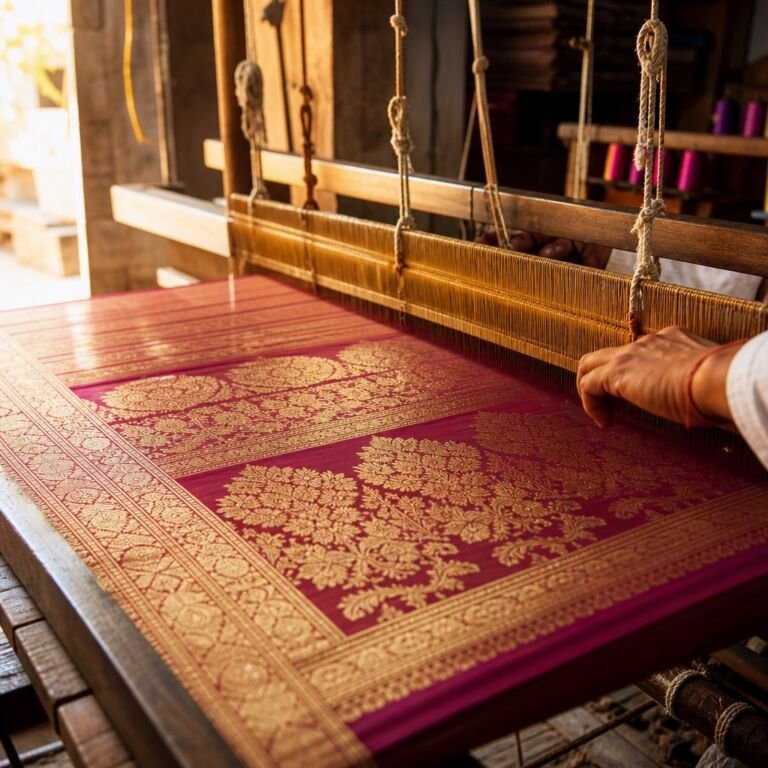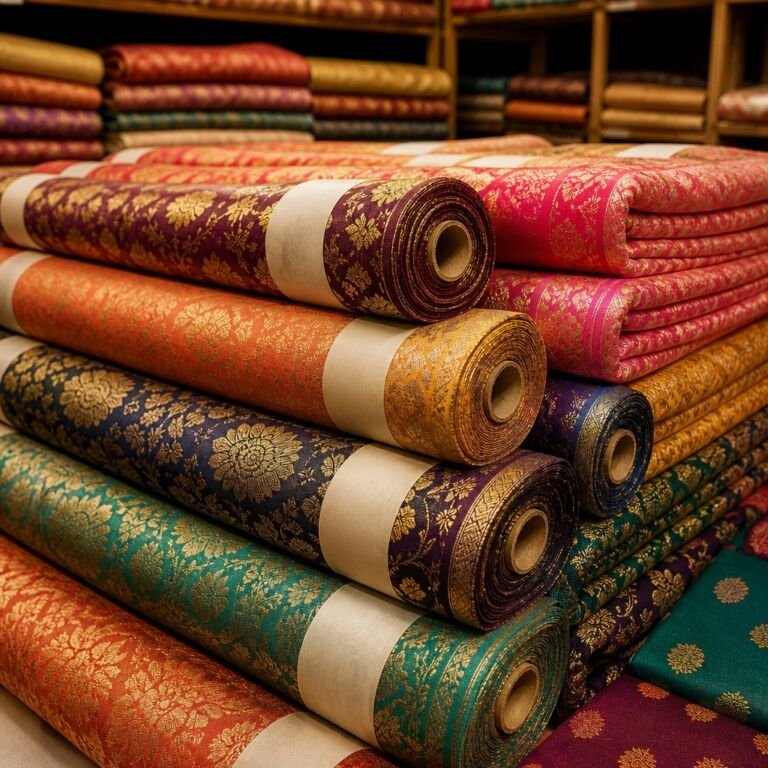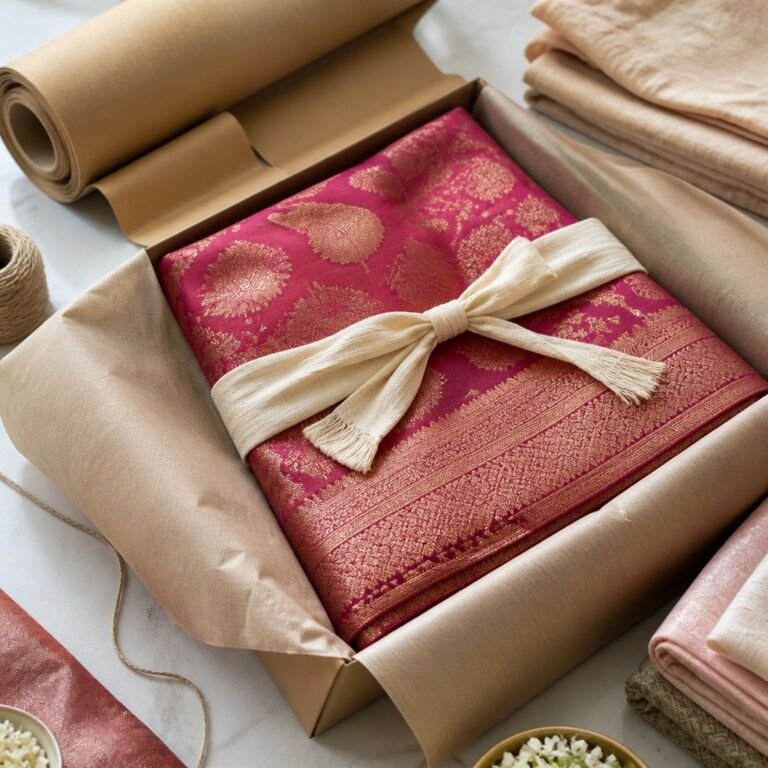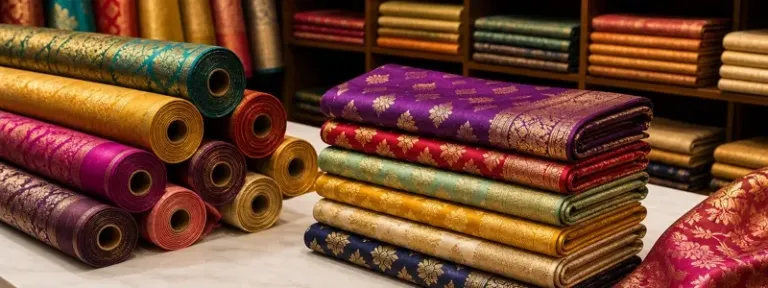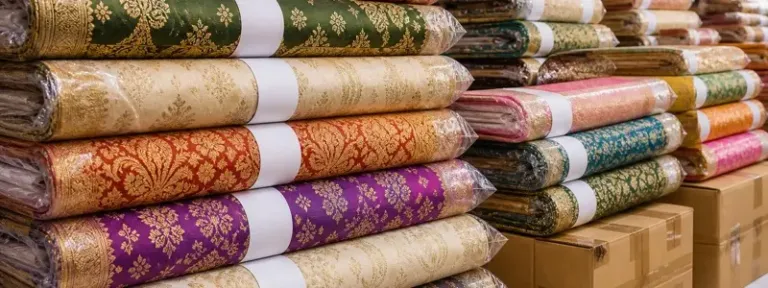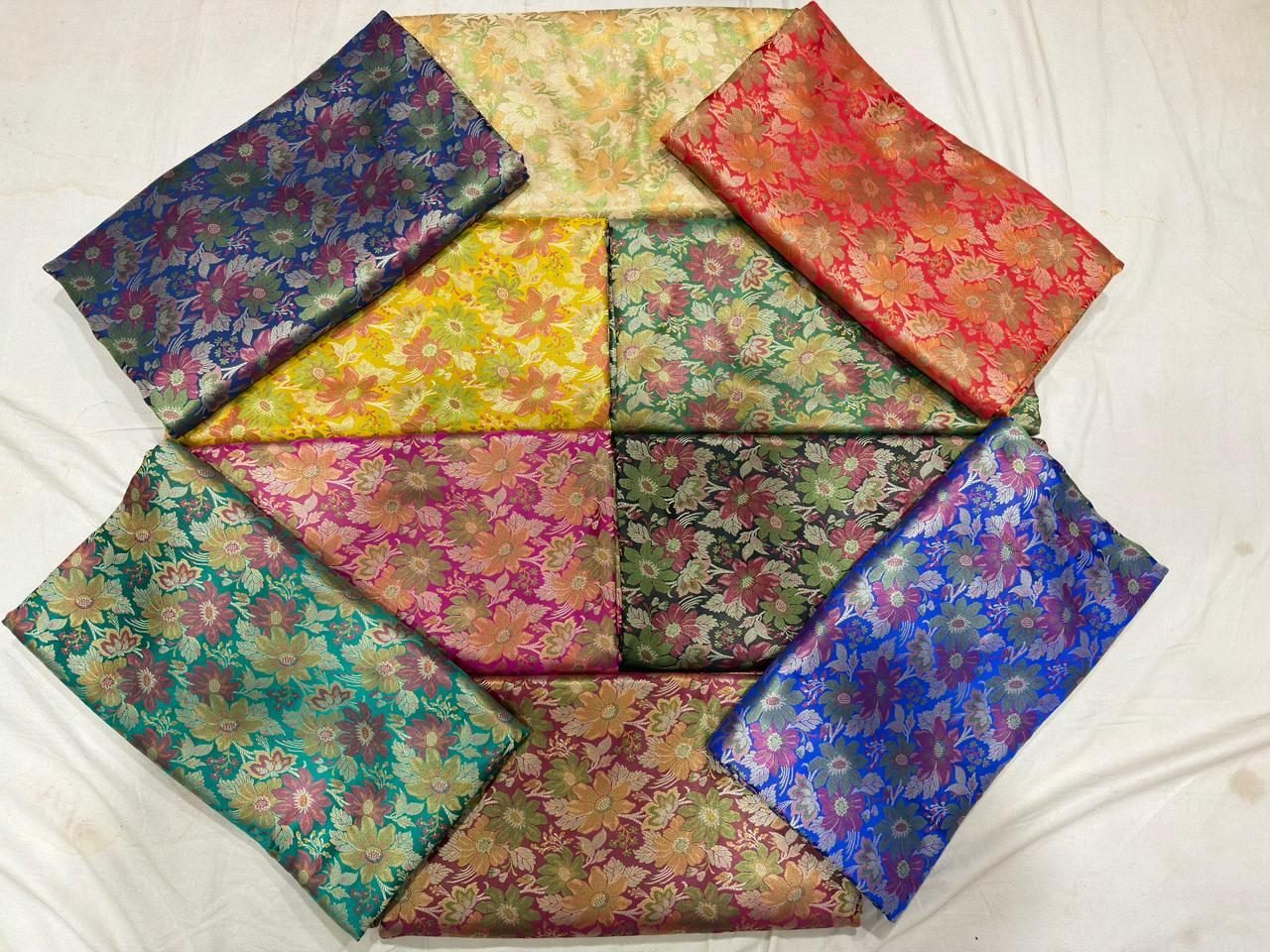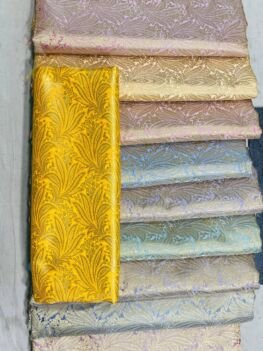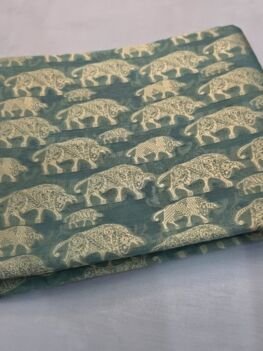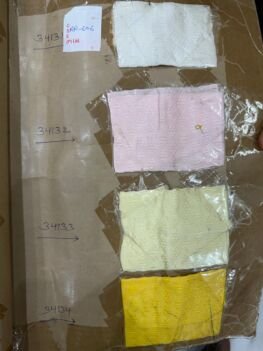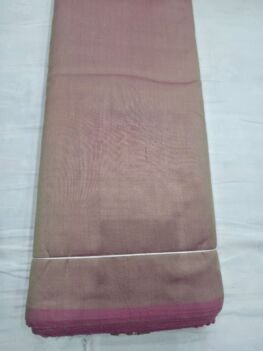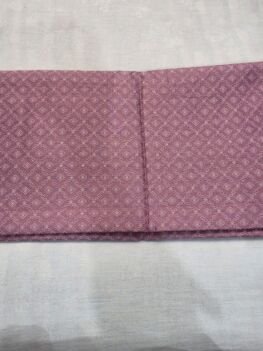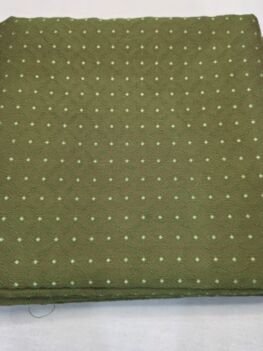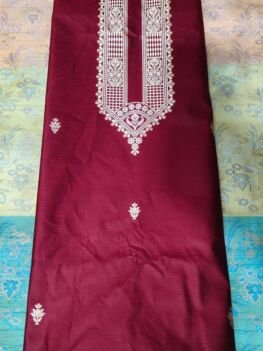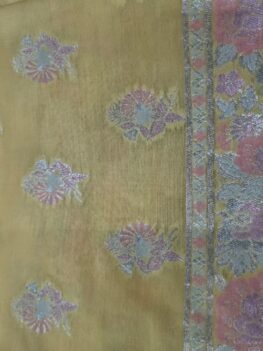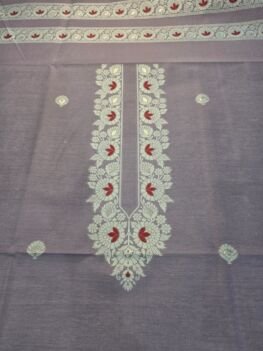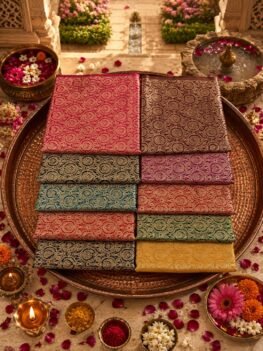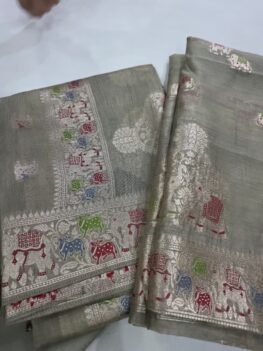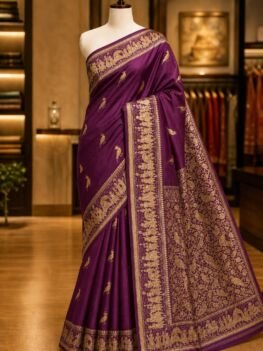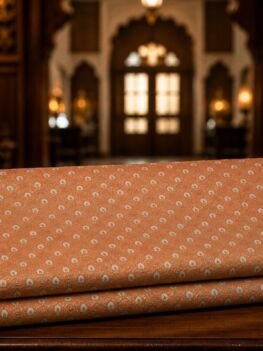
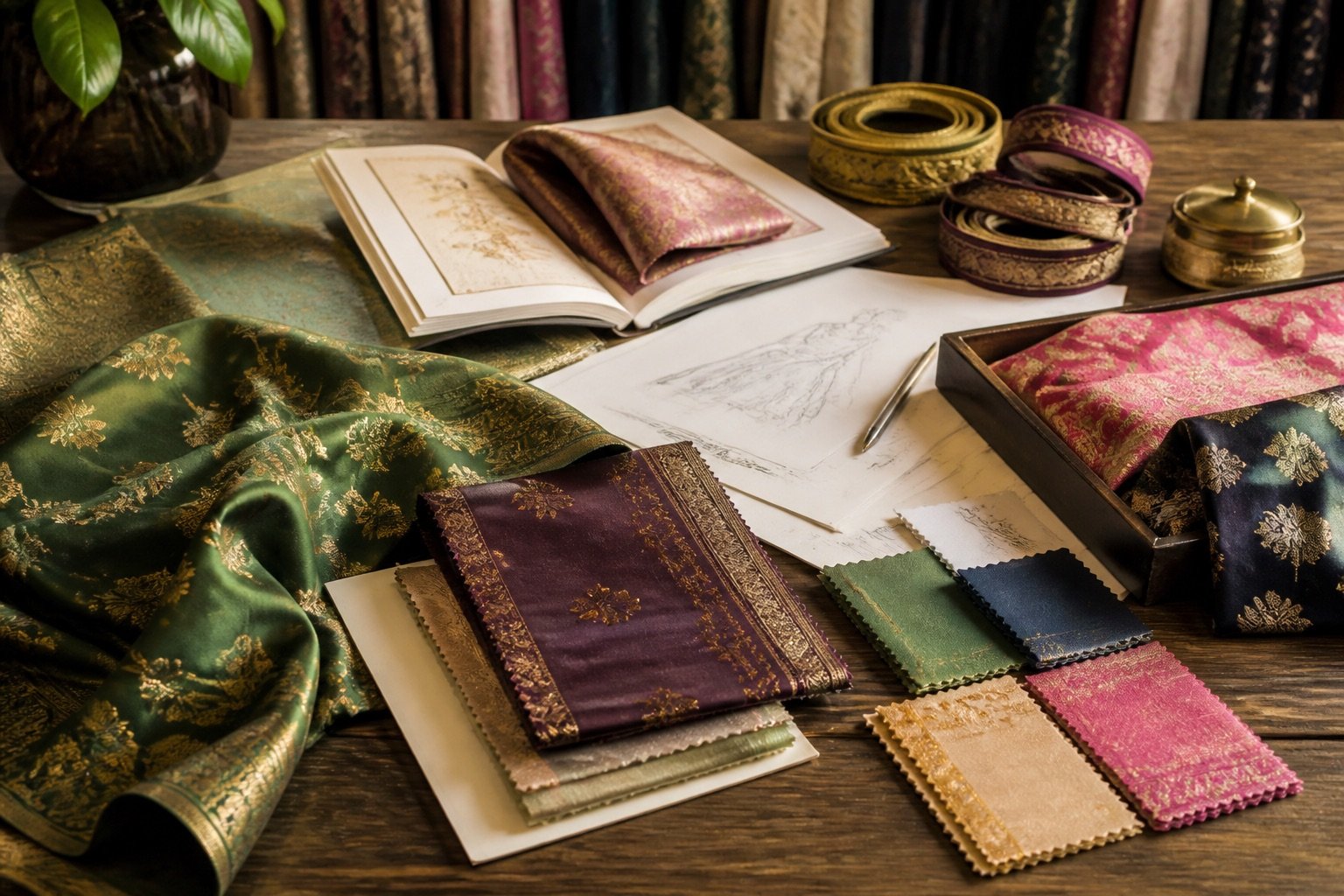
Banarasi silk for boutiques and designers has to survive more than a lookbook. It must hold on a hanger, survive fittings, and still look honest under harsh retail light. KashiFab works with creative teams who want Varanasi cloth with named fibre, not foggy "designer silk" labels.
Trade context: authentic silk fabric suppliers in Varanasi. Wholesale path: wholesale Banarasi silk fabric. Hub: Pages.
Boutique and designer needs
Your constraints are different from a one-off retail buyer. You balance margin, repeatability, and a customer who may return the garment if the hand feels wrong in person.
- Colour stories that read as a collection, not random leftovers.
- Fibre names that production and sales teams can repeat.
- Sample speed that does not stall a shoot or trunk show.
- Meters that match size runs without huge dead stock.
If you sell festive menswear, plan firm hands for structured kurtas. If you sell day festive womenswear, leave room for softer drapes. Do not force one cloth into every silhouette.
Briefing a Varanasi supplier
Send a brief a loom-side team can answer in practical terms.
- Silhouette: kurta, saree, jacket panel, lehenga fabric, border application.
- Season and climate for the wearer.
- Zari preference: none, light, or dense.
- Budget band stated without drama.
- Sample size before production meters.
- Delivery city and hard dates.
Useful attach: a photo of a past bestseller with notes on what to keep (brightness, stiffness, border depth). That shortens back-and-forth.
Sampling and colour stories
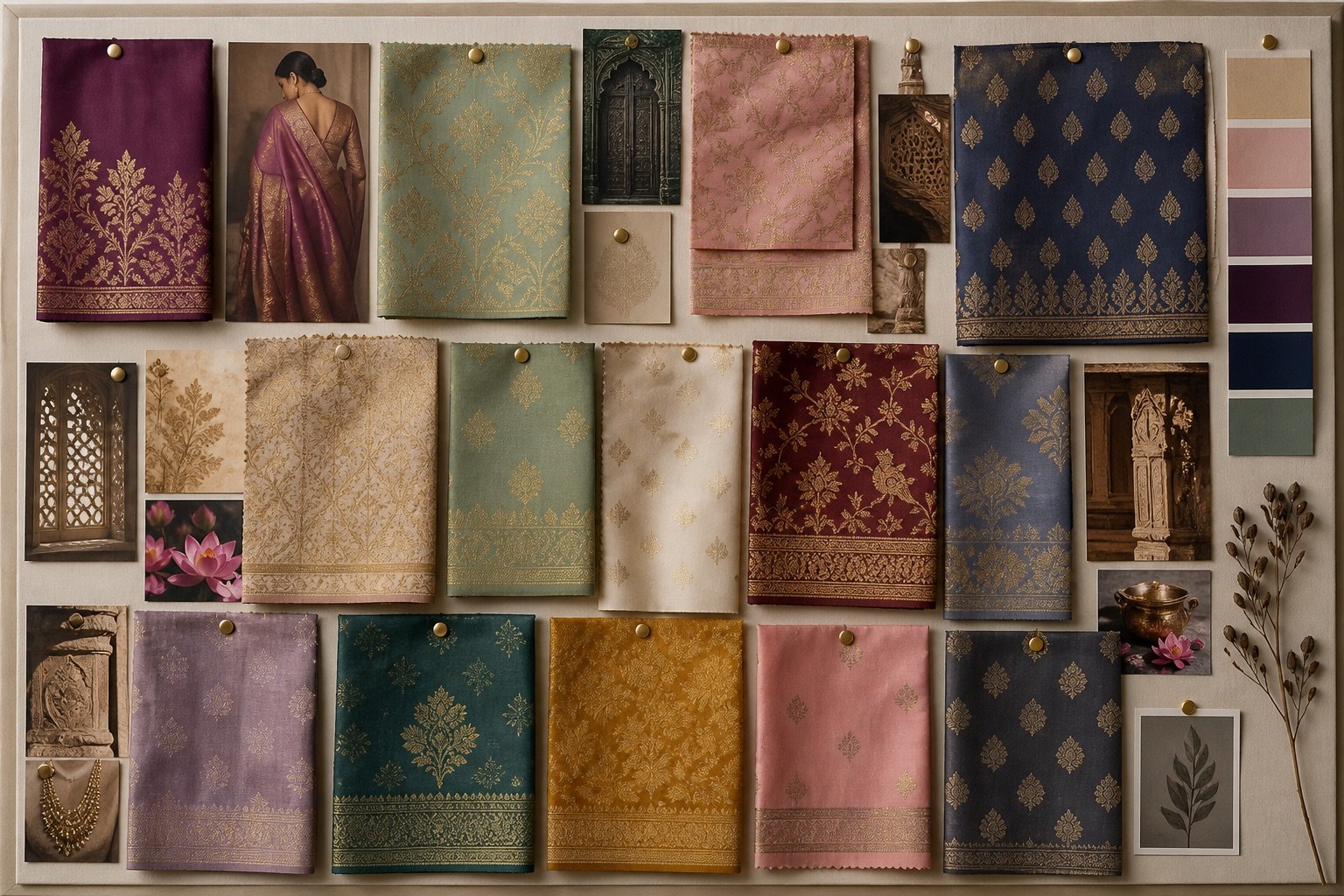
Lock colour in small lengths first. Check samples together under daylight and store lighting. Note how colour shifts next to your trims and linings.
Build stories in threes or fives when you can: a hero colour, a neutral, and one accent. That sells cleaner than twelve thin options. Related fabric pages help you assign roles: katan for structure, raw and tussar for quieter day hands, brocade for ceremony heroes.
Tech-pack friendly fibre labels
Production teams need names they can print. "Pure silk" is not a tech-pack line. Prefer katan, raw silk, tussar, mashru, brocade, or an honest blend note.
Also record usable width, approximate GSM feel in plain words (light / medium / firm), and care direction. That reduces factory surprises and customer care tickets later.
Small run vs production meters
Small runs test the market. Production meters follow when fittings and sell-through look stable. Do not jump to bulk because a sample photographed well once.
When you move up, keep the same SKU language. Reference the approved sample. Ask about dye-lot drift if colour continuity matters across drops.
Start a design brief
Share silhouette, colour direction, and sample needs. We confirm what we can match or develop for the season.
Common questions
Can designers get small sample cuts?
Yes. Ask on the quote form with colour direction and silhouette.
Do you help with exclusive colour stories?
Share your board. We confirm what we can develop or match for that season.
How long do lead times run?
They vary by weave and season. We confirm after seeing the brief and date.
Is wholesale required for designers?
Not always. Small runs can start lighter. Bulk follows once styles lock.
Can you label fibre for tech packs?
Yes. Clear fibre names help production and sales teams stay aligned.
Where is KashiFab based?
Varanasi (Kashi), India. We supply Banaras silk for retail and trade.