
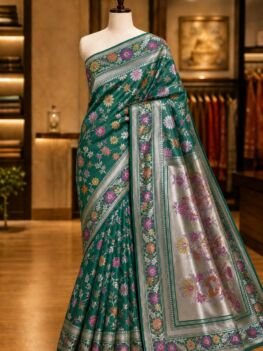
Searching for a Banarasi silk saree usually means you want more than a pretty drape — you want authentic Varanasi craftsmanship that holds its shine through weddings, festivals, and years of wear. Banarasi silk is GI-protected handwoven textile from the Kashi region, known for dense zari work, Persian-influenced motifs, and a structured fall that photographs beautifully in bridal and festive looks.
At KashiFab, we work with Banaras weaves every day for retail shoppers and bulk buyers. This guide breaks down what actually matters when you buy a Banarasi silk saree online — without the vague “luxury” language that hides poor quality.
What makes a Banarasi silk saree different
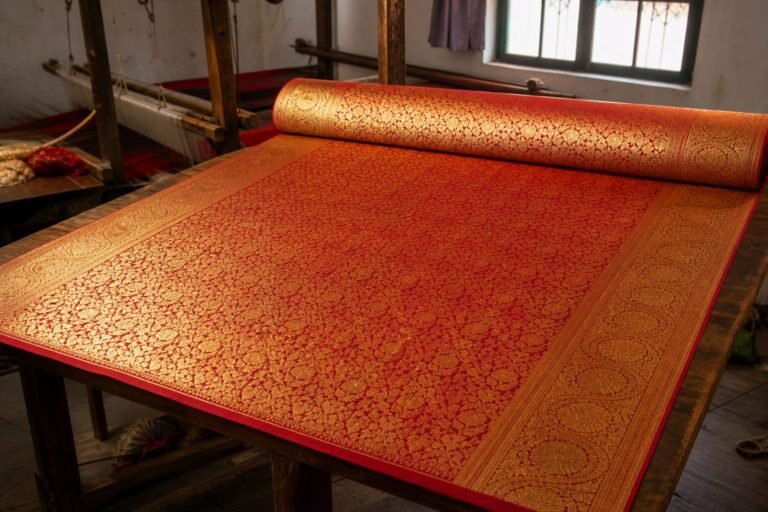
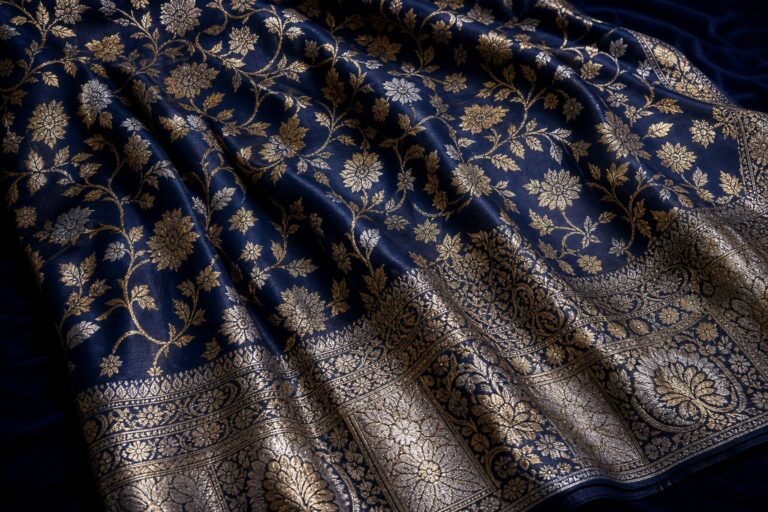
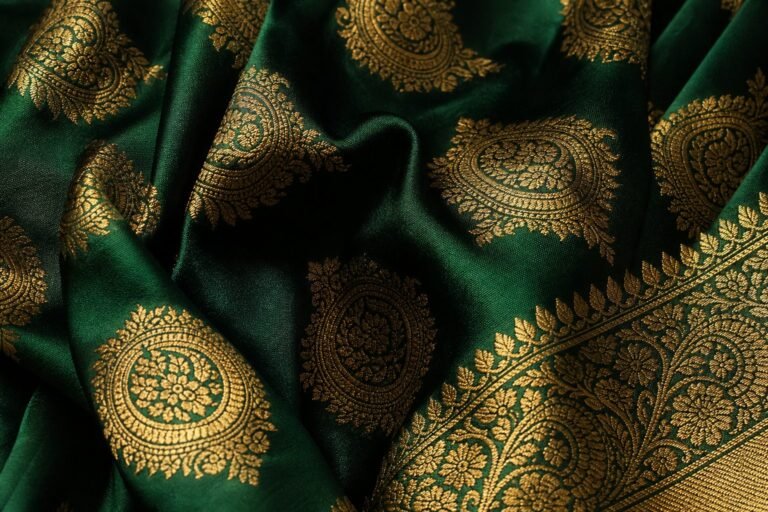
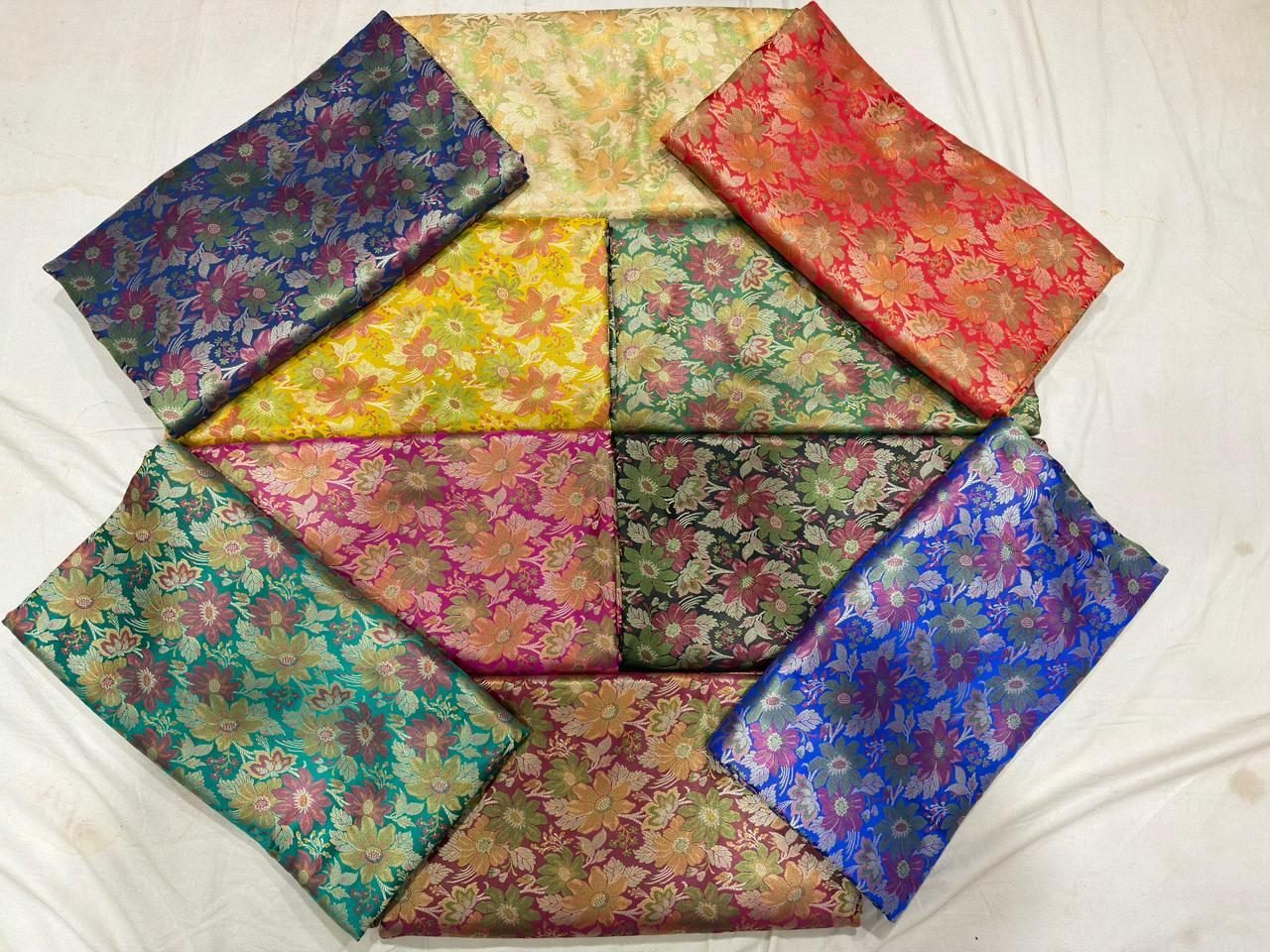
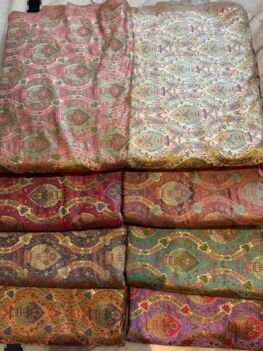
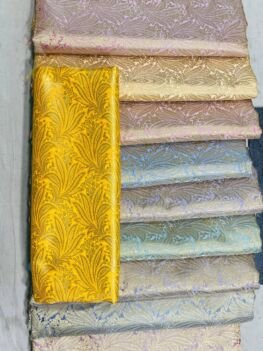
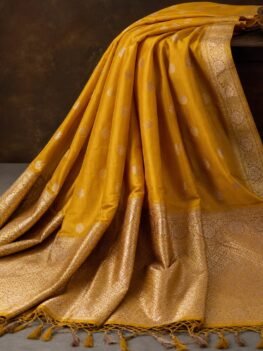
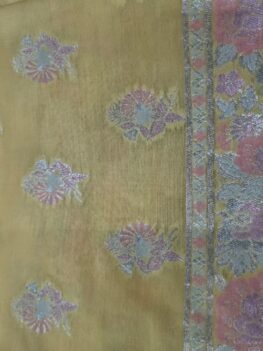
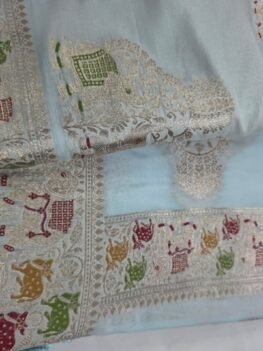
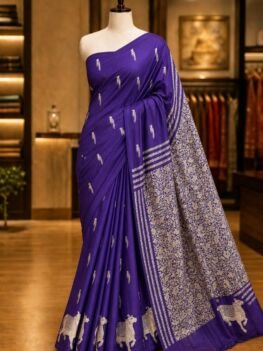
True Banarasi silk is woven in and around Varanasi using silk warp with silk or zari weft. Motifs such as buti, bel, jaal, and kalga are woven into the cloth rather than printed on top. That is why a good Banarasi silk saree has a slight raised texture on the design areas and a heavier hand-feel than printed “Banarasi-look” polyester.
Buyers often confuse Banarasi silk with art silk. Art silk can look bright in photos but loses body quickly. Pure or high-silk Banarasi keeps its structure, especially in bridal reds, wines, ivories, and pastel katans that dominate festive searches.
Key weave types to know before you buy
- Katan silk — twisted silk yarns, heavier GSM, ideal for main wedding ceremonies.
- Organza / tissue Banarasi — lighter shimmer for sangeet and reception looks.
- Georgette Banarasi — softer drape for daytime functions and travel-friendly festive wear.
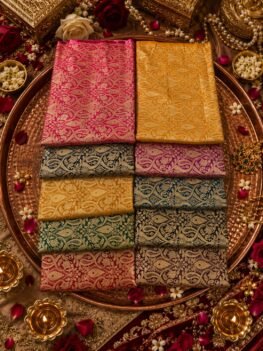
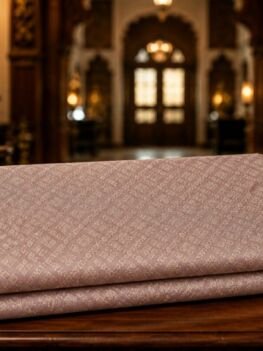
- Brocade Banarasi — rich all-over zari patterns for statement bridal and couture stitching.
How to judge quality in photos and product details
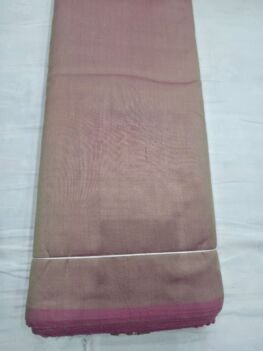
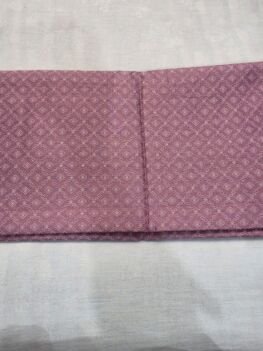
Ask for clear close-ups of the border, pallu, and blouse fabric. Check whether the listing mentions silk content, zari type (tested / real silver-toned vs imitation), and whether the piece is handloom or powerloom. Handloom Banarasi silk sarees usually cost more and show slight natural irregularity — a good sign, not a defect.
Price is a cue, not the only cue. Extremely low prices for “pure Banarasi silk saree” online are almost always blends or art silk. Mid to premium ranges should explain GSM feel, motif density, and finishing.
Who should buy from a Varanasi-based seller
If you want authentic sourcing, buying from a Kashi-based manufacturer or trader shortens the chain. KashiFab supplies Banarasi silk sarees and matching fabrics for retail and wholesale, including export-ready orders for buyers who need consistent lots.
Ready to shortlist? Browse KashiFab’s Banarasi silk saree and fabric collections, compare weave types side by side, and choose the weight that matches your occasion — bridal ceremony, festive wear, or designer stitching.

Very helpful guide. I run a small bridal boutique in Lucknow and the difference between katan and tissue was exactly what my clients keep asking about. Bookmarked for staff training.
Clear points on judging zari quality from photos. We order Banarasi silk sarees for our store in Jaipur and this matches what we check before confirming a lot.
As a first-time online buyer I was confused by art silk vs pure Banarasi. Your checklist on reverse weave and motif texture made the decision much easier. Thank you KashiFab.
Useful for designers too — especially the note that extremely low prices are usually blends. Sharing this with my stitching team before festive bookings.
Good practical buying advice. We source bridal Banarasi for retail partners and the weave-type breakdown (katan / organza / georgette / brocade) is spot on.