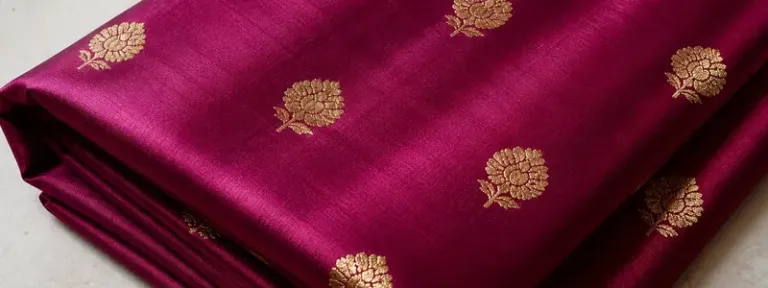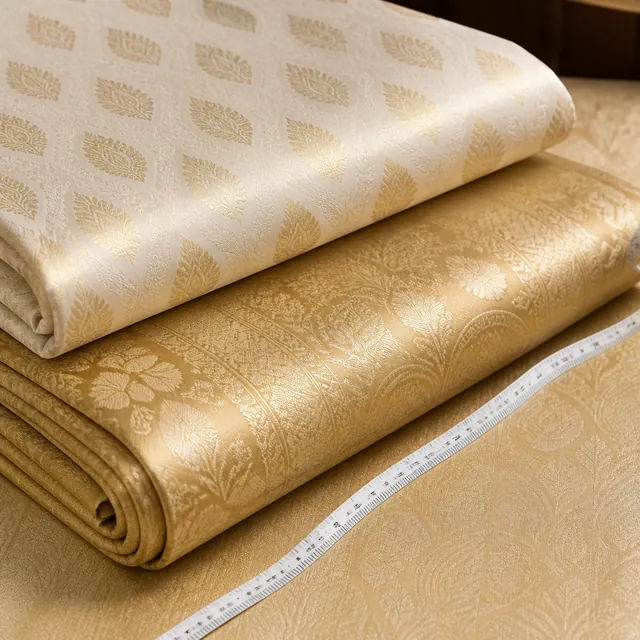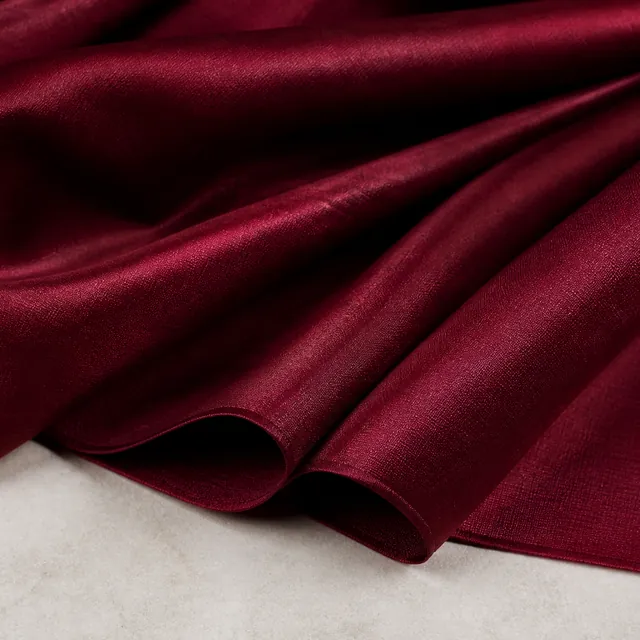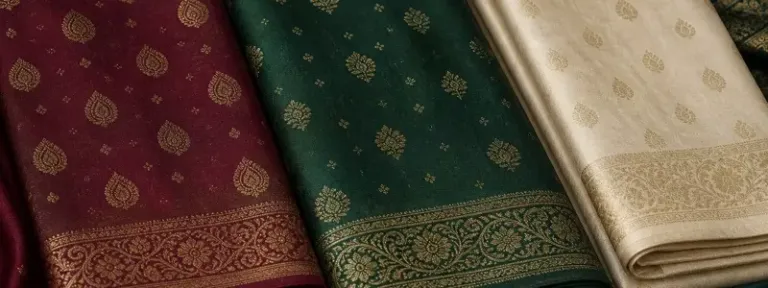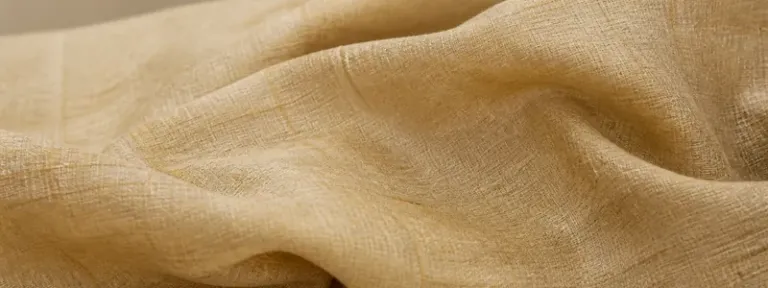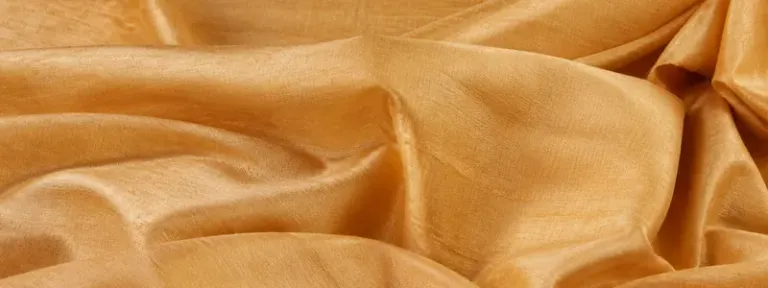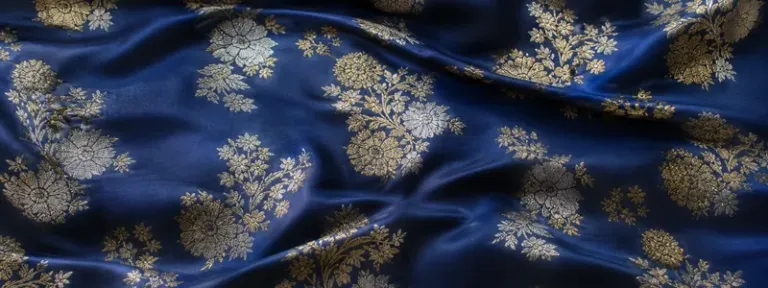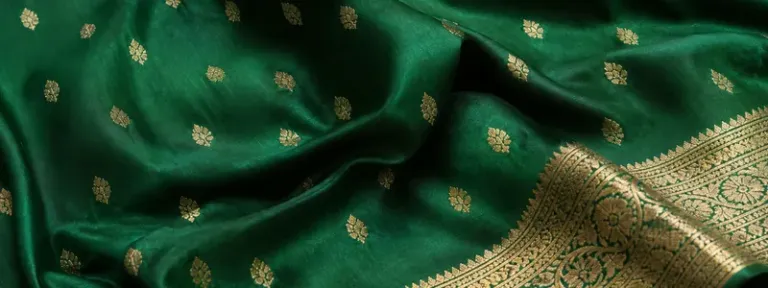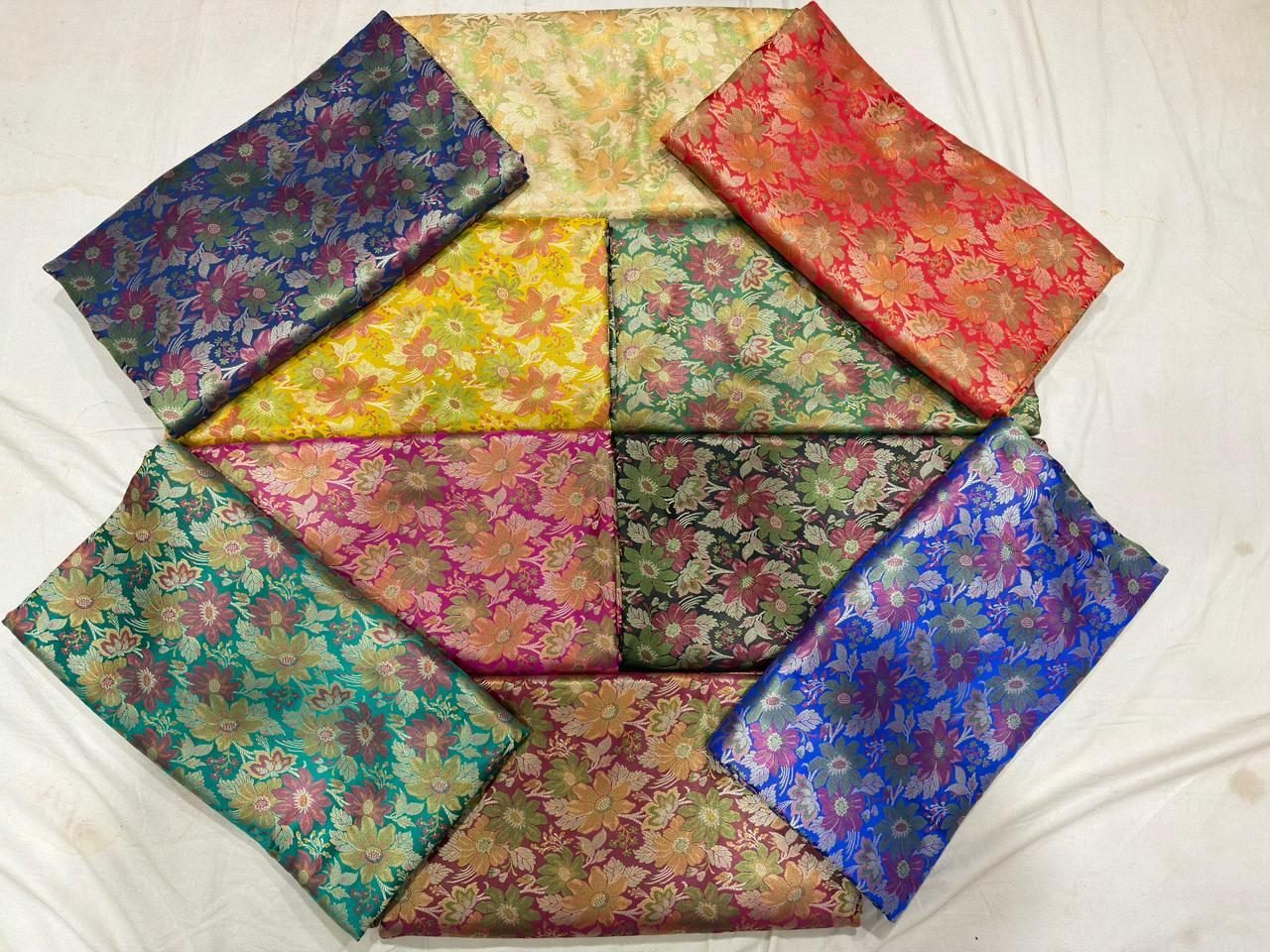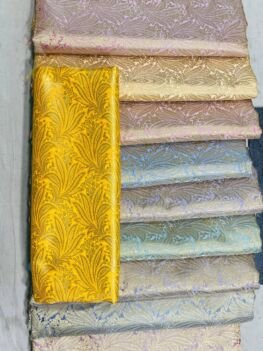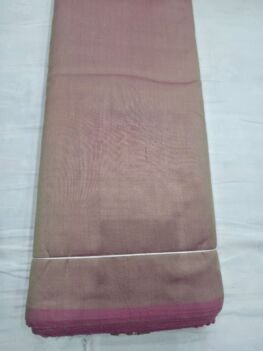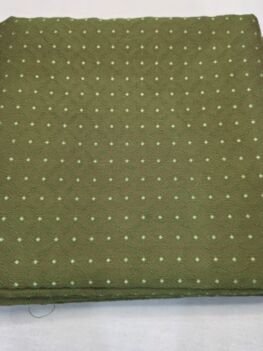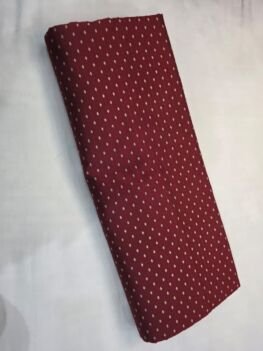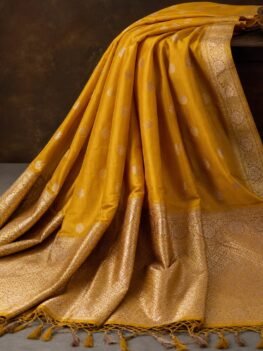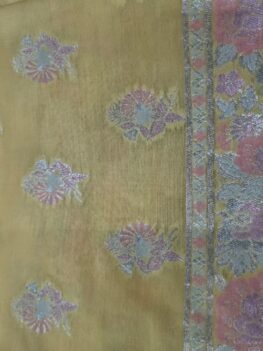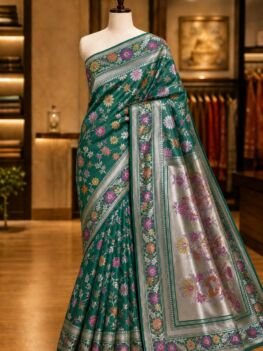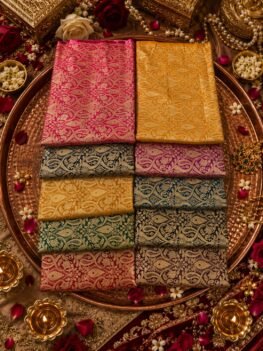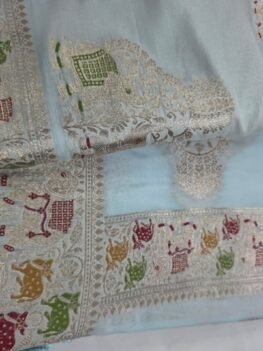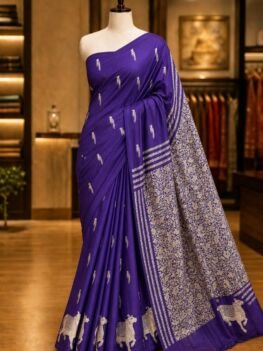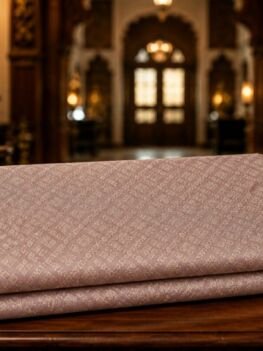
Authentic Banaras / Varanasi silk fabric for kurta starts here. KashiFab is the decision + buy hub: choose silk type, meters and care with Banaras depth, then checkout retail lengths or quote wholesale meterage. Cotton weave stays off the silk shop fold.
Retail buyers pick a priced silk piece below. Boutiques and wholesale buyers keep reading for types, packs, occasion pages, and quote options, or open Wholesale Fabrics when they are ready for bulk.
1. Decide
Silk types, occasion pages, meters, care and authenticity on this hub.
2. Buy silk
Priced Banaras pieces here, or the full Banarasi silk shop.
3. Sample / wholesale
Sample and order, swatches, or a quote for meterage runs.
Shop partner for silk intent: /product-category/banarasi-silk/. Budget non-silk weave path: Kurta Fabrics (labelled separately).
- Varanasi originBanaras silk yardage labelled by fibre type
- Retail + wholesaleCheckout for lengths, quote for meterage runs
- Specs before you cutWidth, material and occasion notes on pieces
- Sample pathStart with 2.5 m, then reorder matched lots
Shop silk fabric for kurta
Priced Banaras silk pieces for kurtas. Fibre, width and INR on each card. Cotton weave CHO pieces are kept off this strip on purpose.
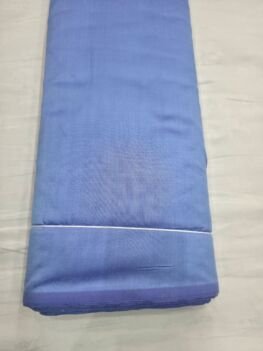
Banarasi Katan Silk Fabric - Wedding Gold
₹2,499 / Meter
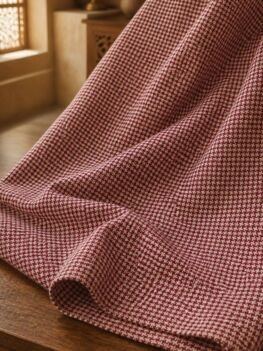
Raw Dupion Silk Fabric - Textured Natural
Original price was: ₹1,599.₹1,399Current price is: ₹1,399. / Meter
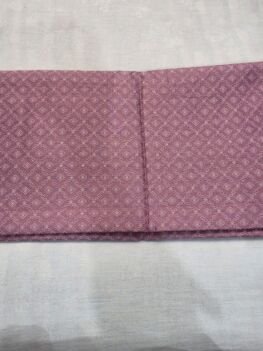
Tassar Ghicha Silk Fabric - Natural Gold
₹1,999 / Meter
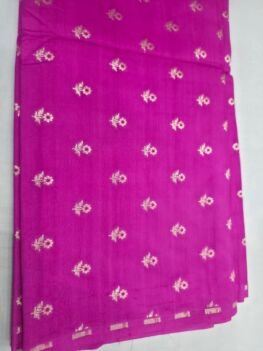
Munga Silk Fabric - Natural Gold Sheen
Original price was: ₹1,899.₹1,699Current price is: ₹1,699. / Meter
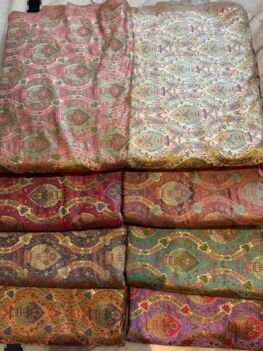
Kimkhab Brocade Fabric - Maroon Gold
Original price was: ₹4,999.₹4,599Current price is: ₹4,599. / Meter
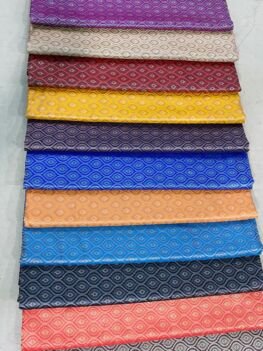
Tanchoi Silk Fabric - Classic Paisley
₹2,799 / Meter
Buy by ready meter packs
Indian buyers usually order a length, not an open than. Use these presets, then confirm colour and silk type on the quote or product page.
2.5 m sample
Boutique / first fit length. Confirm loom width (often 44 to 48 inches) before you cut a run.
Request sample quote
3.5 m men's kurta
Standard festive men's kurta planning range with a little border / tall-size buffer.
Request 3.5 m quote
5 m kurta + pajama
Matched or contrast bottom planning for a full set from the same silk family.
Request set quote
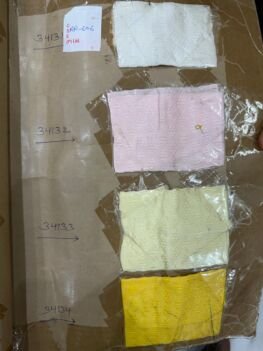
Swatches & sampling
B2B buyers who need hand feel before bulk can start from our sampling page.
Open swatches
Need the full order path? Read Sample and order silk kurta fabric.
Care, meters, authenticity and ordering
This hub keeps the short version. Open a full Pages article when you want more detail before you cut or reorder.
Care
Wash vs dry clean, ironing, storage, and stitching notes by silk type.
Open care page
Authenticity
What to verify on fibre labels, width, and silk vs silk-look before you cut.
Open authenticity page
Meters
Men's kurta, sets, ladies kurti, samples, and motif-match buffers.
Open meters page
Katan vs raw vs brocade
Side-by-side hand, occasion, lining, and meter tips for the three festive shorts.
Open comparison page
Also: Sample and order · browse all Pages.
Why Banarasi silk works for kurtas
Varanasi silks hold shape and colour better than many mill fabrics. That matters when a kurta needs clean sleeves, a stable placket, and a border that does not collapse after one wash cycle at the tailor.
In short: katan for festive structure, raw silk for a matte hand, tussar for lighter days, mashru when you want comfort with a silk face, brocade / kimkhab when the occasion asks for richness.
Katan vs raw silk vs brocade for men's kurta
Most festive buyers shortlist these three. Use this table before you open the full silk-type grid. For the longer write-up, open Katan vs raw silk vs brocade for kurta.
| Point | Katan | Raw silk | Brocade / kimkhab |
|---|---|---|---|
| Hand / look | Smooth, bright Banaras sheen | Matte, textured, modern on camera | Motif-led, denser, ceremonial |
| Best for | Wedding guests, reception, structured menswear | Day festive, designer samples, textured edits | Groom-side, reception statements, premium rails |
| Lining / astar | Often optional on mid-weight pieces | Usually optional; check translucency | Often needed for comfort and clean finish |
| Meter tip | 2.5 to 3.5 m men's kurta | Same range; easier motif matching | Plan extra for motif match at sleeve / placket |
| Shop next | Katan silk | Raw silk | Banarasi brocade |
Silk types for kurta fabric
Compare the main silk fabric for kurta options we work with in Varanasi. Each card is one silk type: how the cloth feels, when buyers prefer it, and how it differs from the others.
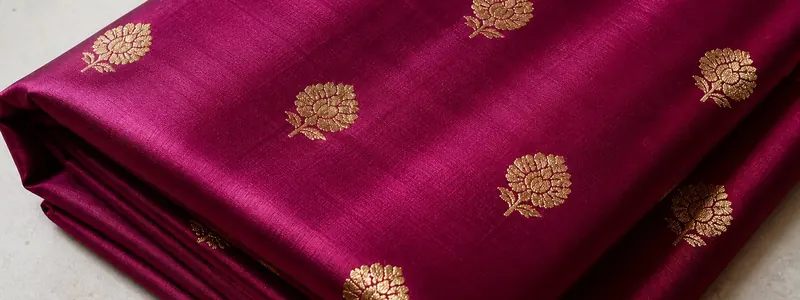
Why buyers choose it: firm body, clean sheen, and sharp edges after stitching. Strong pick for festive and formal kurtas.
- Quality feel: smooth face, bright Banarasi look
- Best for: wedding guests, reception sets, structured menswear
- Typical width: about 44 to 48 inches on many Banaras pieces
- Differs from raw silk by sheen and firmness; differs from brocade by a lighter surface unless heavy zari is added
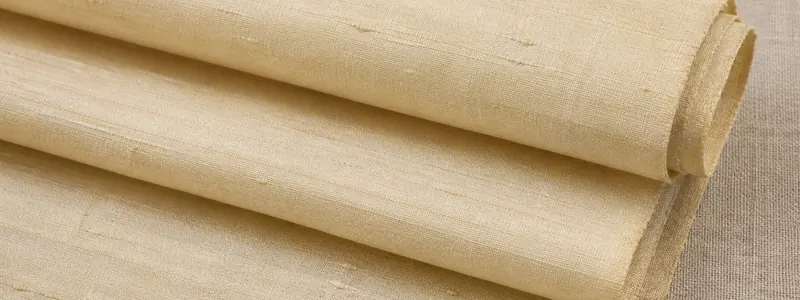
Why buyers choose it: matte hand and natural texture that reads modern on camera and in boutique windows.
- Quality feel: soft slub, less shine than katan
- Best for: designer samples, day festive kurtas, textured menswear
- Differs from matka by a cleaner raw face; differs from tussar by denser hand and less golden cast
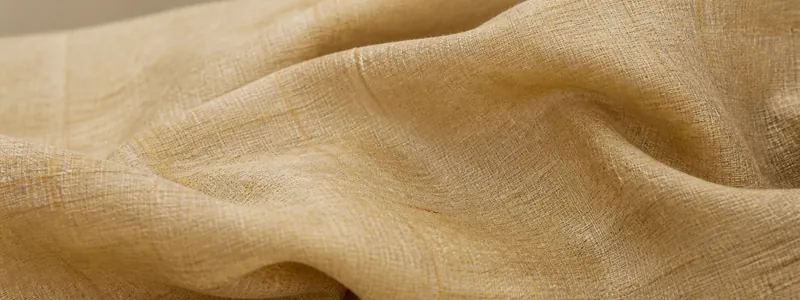
Why buyers choose it: thicker, more textured silk for kurtas that need a rustic body without bright polish.
- Quality feel: robust hand, visible texture, low shine
- Best for: structured daywear, boutique edits that want weight without zari
- Differs from raw silk by a denser, more irregular hand; differs from katan by matte finish
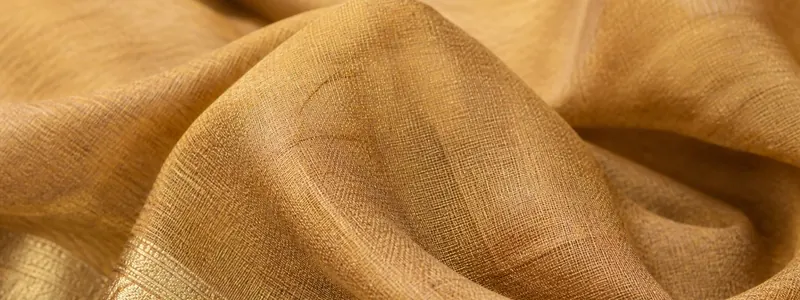
Why buyers choose it: lighter wild silk with a natural gold cast that breathes better in warm weather.
- Quality feel: airy weave, soft glow rather than hard polish
- Best for: summer festive wear, travel kurtas, lighter boutique lines
- Differs from moonga by a typically flatter wild-silk story; differs from tissue by more body
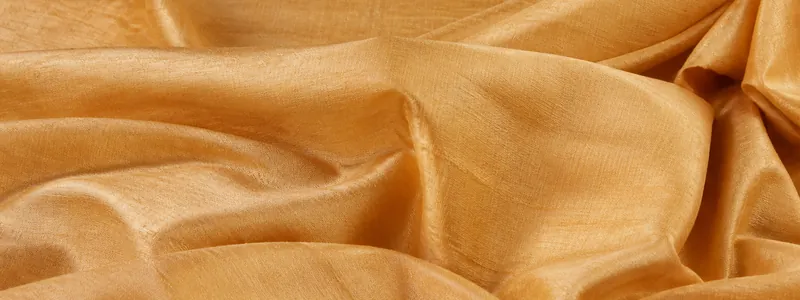
Why buyers choose it: warm natural glow and a distinctive hand that sits apart from plain tussar yardage.
- Quality feel: soft lustre, often with a honey or gold cast
- Best for: elevated day festive kurtas and boutique lines that want colour without heavy zari
- Differs from tussar by its own fibre story and glow; differs from katan by lower formal polish
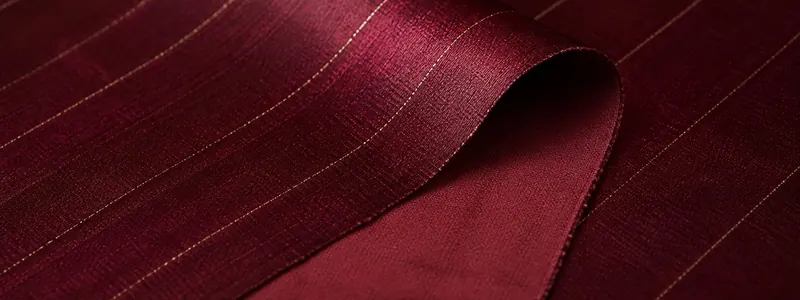
Why buyers choose it: silk face with a kinder reverse, so longer wear feels easier against the skin.
- Quality feel: silk look outside, softer comfort inside
- Best for: frequent festive wear, gifted kurtas, buyers who want silk presence without full stiffness
- Differs from pure katan or tussar because the reverse is not the same fibre story; ask us to label it clearly before cutting
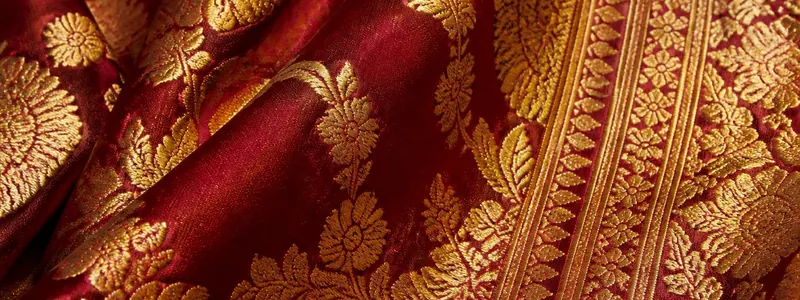
Why buyers choose it: richly worked Banaras silk with prominent metal thread for ceremonial kurtas.
- Quality feel: dense surface, heavy hand, high visual impact
- Best for: groom-side sets, reception statements, premium boutique edits
- Differs from brocade by a denser ceremonial face; plan extra meters when motifs need matching
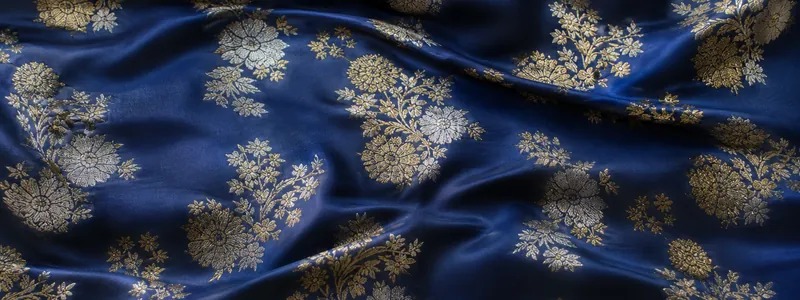
Why buyers choose it: patterned Banaras weave with raised motifs for festive kurtas that need design without always going full kimkhab weight.
- Quality feel: motif-led surface, firmer than plain katan
- Best for: wedding guests, boutique festive rails, patterned menswear
- Differs from kimkhab by typically lighter ceremonial load; differs from plain katan by motif density
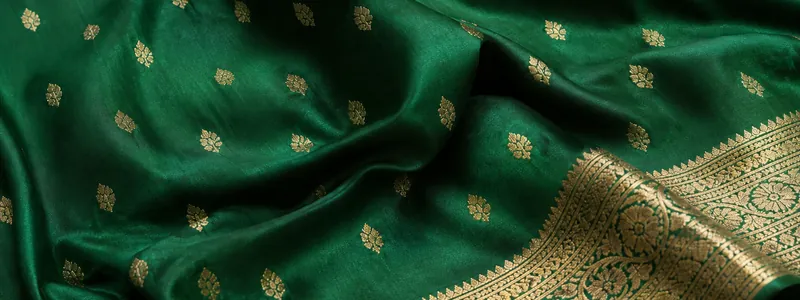
Why buyers choose it: silk grounds with gold or silver thread work when shine on border, buti, or jaal is the main brief.
- Quality feel: metallic highlight on silk, weight depends on how dense the zari is
- Best for: festive borders, highlight panels, occasion kurtas that need sparkle without full ceremonial bulk
- Differs from kimkhab and brocade by focusing on metal-thread presence; confirm zari density before you cut
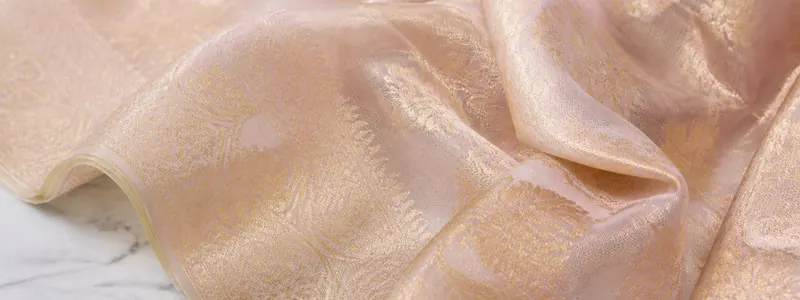
Why buyers choose it: very light Banaras cloth for heat, layering, and soft movement in the kurta.
- Quality feel: sheer-leaning drape, soft shimmer, less bulk at sleeve and hem
- Best for: warm climates, layered looks, lighter festive daywear
- Lining: tailor may add astar for sharper collar and placket
- Differs from soft silk by a lighter, often more translucent hand
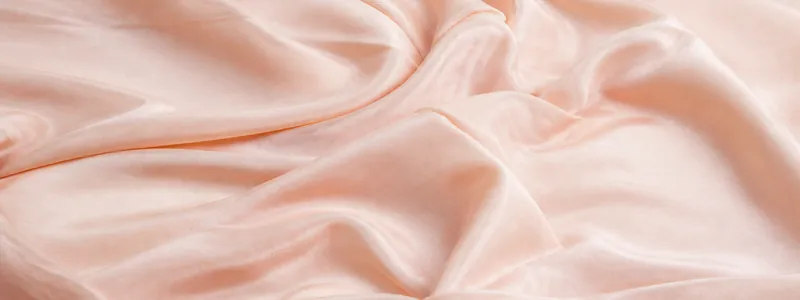
Why buyers choose it: easier drape than stiff katan when the kurta should move softly through a long day.
- Quality feel: fluid hand, gentle sheen, less structure than festive katan
- Best for: day festive wear, warmer rooms, buyers who prefer comfort over sharp edges
- Differs from tissue by more body; differs from katan by lower stiffness
Budget note: we also carry cotton-weave / poly kurta pieces under Kurta Fabrics. Those help when collar work or price comes first. They are not pure Banaras silk. Ask us to label the fibre clearly before you cut.
Named Banaras designs for kurta fabric
Design-led buyers often search by weave name (Tanchoi, Meena, Bel Booti) rather than fibre alone. These pieces show how Banaras pattern language looks on kurta-ready cloth.
Tanchoi, Meena and patterned kurta weaves
Named Banaras designs with visible INR. Use these when the motif should carry the kurta, not only the silk type.
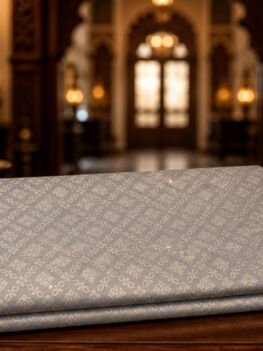
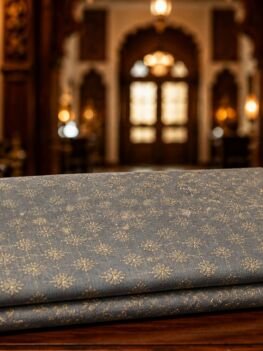
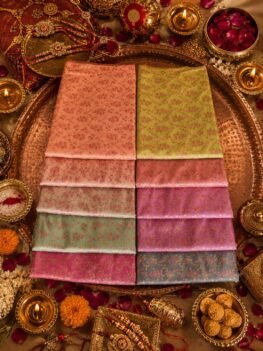
Also browse Tanchoi, Bel Booti, Jaal, Shikargah, and Ready to ship.
Choose silk fabric for kurta by occasion, season, and design
Buyers rarely start from fibre alone. Most people pick silk fabric for kurta by the day they will wear it, the weather, and the weave pattern they recognise. Use the names below the way we label them in the shop.
By occasion
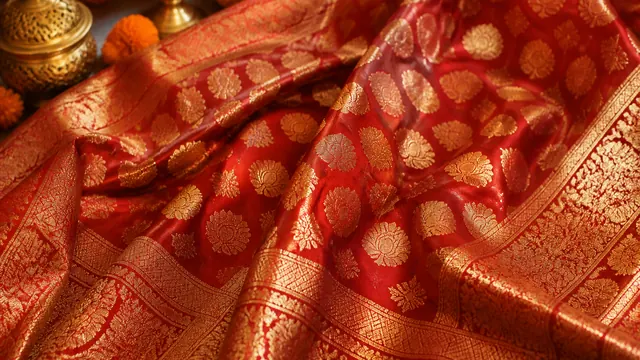
Wedding, Diwali puja, and Rakhi / festive sets ask for different weight and shine. Open the full occasion page, then shop the matching Banaras silk.
 Wedding
Heavier katan, kimkhab, and zari-led surfaces for reception and groom-side kurtas.
Wedding
Heavier katan, kimkhab, and zari-led surfaces for reception and groom-side kurtas.
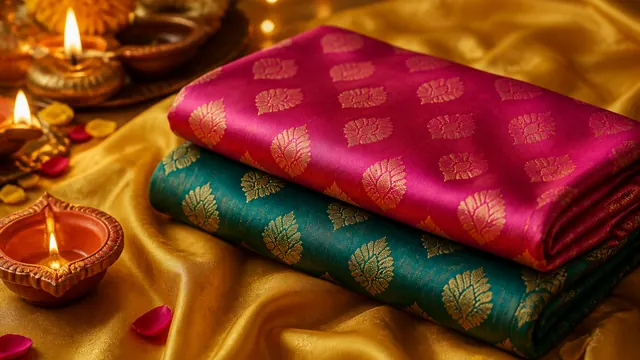 Diwali / Puja
Festive colour with mid-weight silk that still moves well for evening puja and family gatherings.
Diwali / Puja
Festive colour with mid-weight silk that still moves well for evening puja and family gatherings.
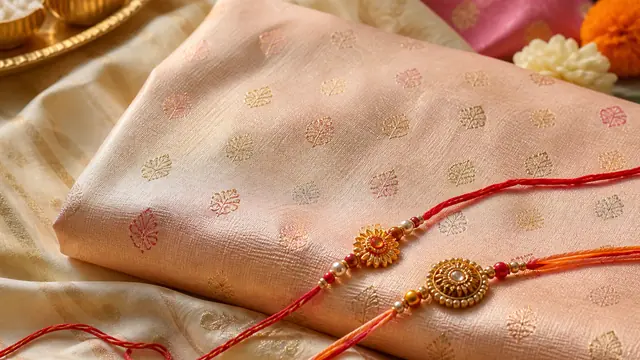 Rakhi / Festive
Lighter day festive cloth: raw silk, soft silk, or light katan when the look should feel easy, not ceremonial.
Rakhi / Festive
Lighter day festive cloth: raw silk, soft silk, or light katan when the look should feel easy, not ceremonial.
By time of year
Heat and cooler evenings change which silk fabric for kurta feels right after four or five hours of wear.
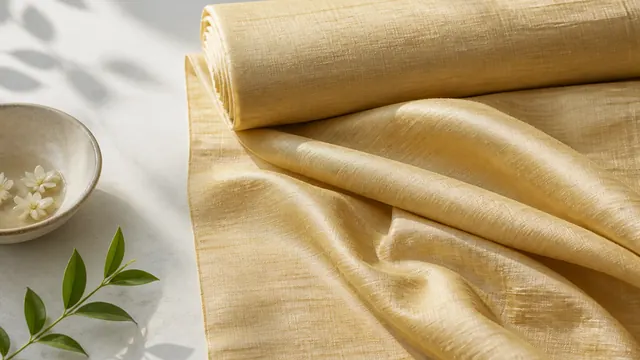 Summer / warm weather
Tissue, soft silk, and tussar breathe better. Keep zari light if the day runs long.
Summer / warm weather
Tissue, soft silk, and tussar breathe better. Keep zari light if the day runs long.
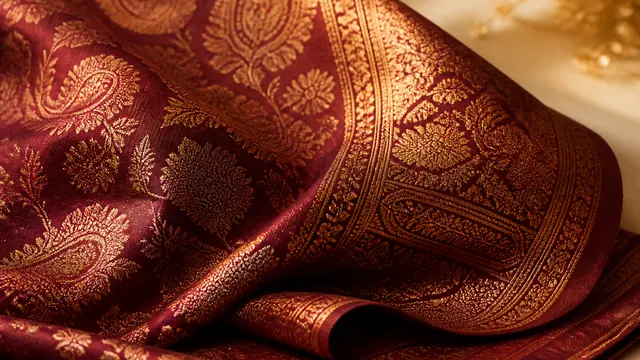 Winter / cooler evenings
Denser katan and richer brocade hold shape when the air is cooler and events run late.
Winter / cooler evenings
Denser katan and richer brocade hold shape when the air is cooler and events run late.
By design pattern
These are the Banaras pattern attributes we use in the shop. Read the name on the left, then check the reference weave on the right. Shop opens the pattern filter page with matching fabric pieces.
Bel Booti
Scattered floral booti with vine (bel) accents. A classic all-over look for everyday festive silk fabric for kurta without a full jaal field.
Best for: day festive kurtas, boutique repeat orders, and buyers who want pattern without heavy coverage.
Why choose it: motifs sit apart, so cutting is easier and the kurta still reads light on camera. A strong first pick if you want Banaras detail that stays wearable.
Shop Bel Booti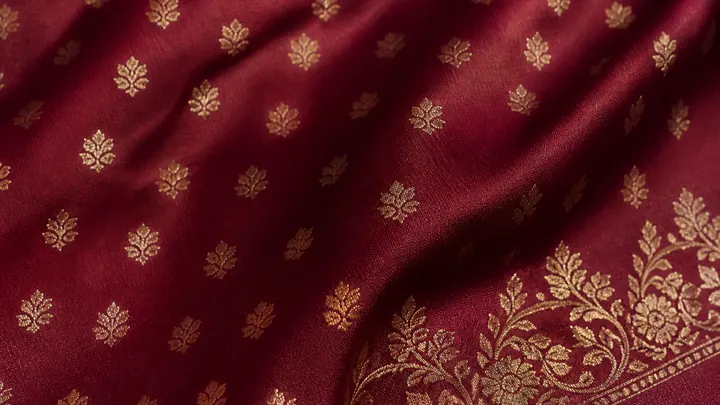
Jaal / Jaalidar
A connected net of motifs across the cloth. Reads richer on camera and suits formal festive kurtas when you want continuous pattern, not spaced booti.
Best for: evening festive sets, reception guests, and shop windows that need a fuller Banaras field.
Why choose it: the jaal covers more of the surface, so one length looks denser and more formal than Bel Booti. Plan motif matching at sleeves and placket.
Shop Jaal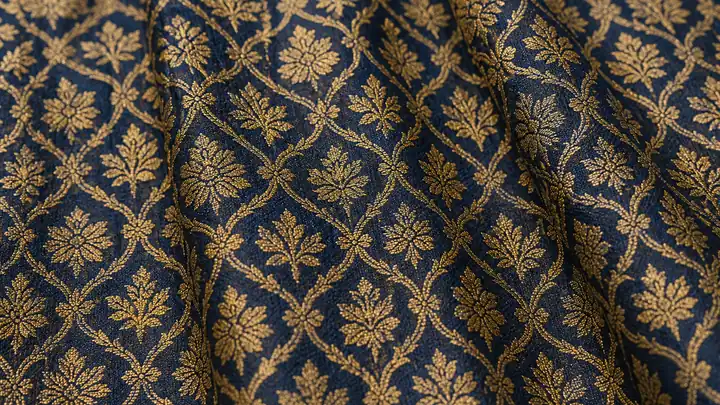
Shikargah
Hunt-scene and animal motifs woven into the field. A signature Banaras storytelling pattern for statement silk fabric for kurta pieces.
Best for: designer edits, conversation kurtas, and buyers who want a recognisable Banaras motif story.
Why choose it: Shikargah stands out from floral booti and plain jaal. Good when the fabric itself should carry the design, not only colour.
Shop Shikargah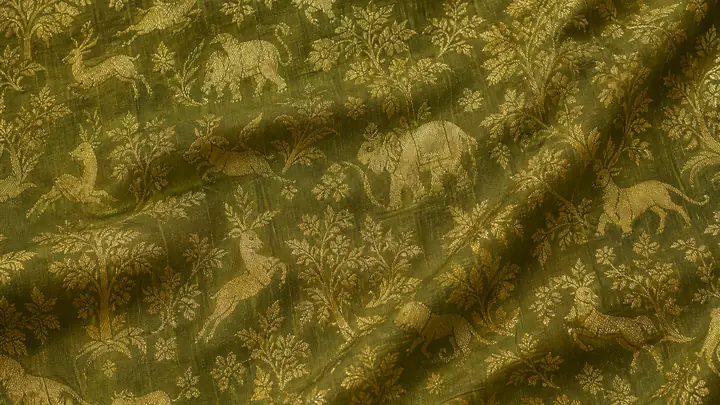
Meena Brocade
Colour-filled meena work on a brocade ground. Strong for wedding and reception kurtas when the cloth itself should carry the colour story.
Best for: wedding guests, groom-side sets, and premium boutique runs that need colour inside the weave.
Why choose it: meena fills motifs with colour, so the piece looks richer than single-tone zari alone. Choose this when shine and colour depth both matter.
Shop Meena Brocade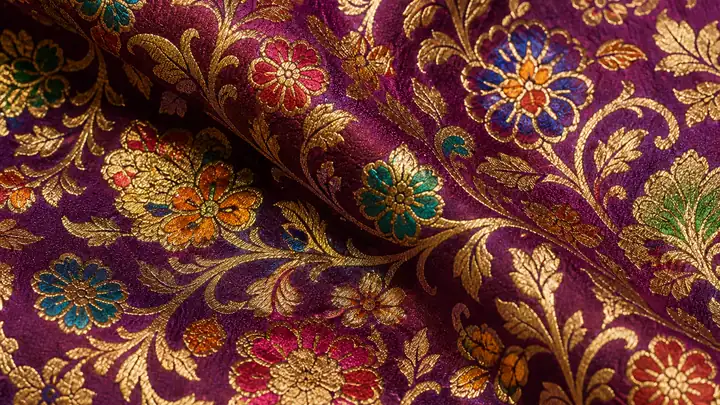
Tip: you can mix dimensions. A summer Diwali kurta might be light tissue in Bel Booti. A winter wedding set might be dense katan in Meena Brocade. Browse Banarasi silk for silk pieces, or open the Fabric section for more silk fabric for kurta pages.
How many meters for a kurta
Meters change with size, flare, sleeves, and whether you add pajama. Start here, then confirm width on the piece. Full chart and buffers: Meters of silk fabric for kurta.
| Garment | Typical fabric | Notes |
|---|---|---|
| Men's kurta (standard) | 2.5 to 3.5 metres | Add length for tall sizes or deep borders |
| Men's kurta + pajama set | 4.0 to 5.5 metres | Match or contrast pajama fabric |
| Ladies kurti | 2.0 to 2.5 metres | More for A-line or anarkali cuts |
| Boutique sample | 2.5 metres | Confirm loom width (often about 44 to 48 inches) |
| Nehru jacket / waistcoat | 1.5 to 2.0 metres | Useful layer over a plain silk kurta |
Silk fabric specs buyers should confirm
Before you cut, lock these fields the same way a boutique production table would.
| Spec | What to ask | Why it matters for kurtas |
|---|---|---|
| Fibre / material | Katan, raw, tussar, mashru, brocade, blend? | Sets sheen, stiffness, price and care |
| Usable width | Usually about 44 to 48 inches on many Banaras pieces | Changes how many panels you get from one length |
| GSM / hand | Light, mid, or dense ceremonial | Controls all-day comfort vs wedding presence |
| Pattern repeat | Booti spacing or jaal scale | Motif match at sleeve, placket and hem |
| Lining / astar | Needed or optional? | Tissue and heavy brocade often need support |
| Piece length | Cut meters vs than / roll | Retail checkout vs wholesale meterage |
How to choose before you order
- Occasion: Wedding or reception usually needs brocade or heavy katan. Day festive suits raw silk or tussar. For frequent wear, mashru or soft silk is kinder.
- Climate: In heat, prefer tussar, tissue, or soft silk. Denser katan suits cooler evenings.
- Zari: Heavy zari looks grand but feels stiffer. Light zari drapes more easily for all-day wear.
- Budget: Pure katan and kimkhab sit higher. Raw and tussar are often mid-range. Cotton-weave pieces cost less but are not pure silk.
- First order: take a 2.5 m sample, approve colour in daylight, then reorder matched meters.
Care and stitching notes for silk kurta fabric
Care
- Prefer dry clean for heavy zari, kimkhab and dense brocade.
- Lighter raw / soft silk: mild hand wash in cold water if the piece label allows.
- Dry in shade. Avoid hard wringing.
- Iron on low heat with a press cloth, especially on metallic thread.
Stitching
- Confirm whether the cloth needs astar / lining at collar and placket.
- Match motifs before you cut sleeves on jaal and brocade.
- Use fine needles and finish seams cleanly on slippery tissue.
- Pre-check colour bleed risk on deep shades before first wash.
Authenticity: what “pure silk” means on KashiFab
Ask for the fibre name (katan, tussar, mashru), piece length, and usable width. Handloom cloth can show small variation. That is normal when the weave is honest. Longer checklist: Authentic silk for kurta.
- KashiFab labels material plainly so your tailor knows what is on the table.
- If a piece is silk-look, poly blend, or cotton weave, we say so. Do not assume every kurta fabric is pure Banaras silk.
- For export / boutique QC, tell us the end use and we will confirm what we can ship from Varanasi.
- Need hand feel first? Use Swatches & sampling or a 2.5 m sample quote.
Shop silk or ask us
This page stays the Banaras decision hub. The silk shop path is Banarasi silk. Use that category for silk inventory; keep Kurta Fabrics for labelled cotton-weave / value pieces only.
Shop Banarasi Silk Sample and order help Wholesale Fabrics Request a Quote Request 2.5 m sample
Tell us silk type, meters, colour, and city. We will confirm what we can ship from Varanasi.
Common questions
Where can I buy silk fabric for kurta from Varanasi?
KashiFab sells Banaras / Varanasi silk yardage for kurtas online, with quote options for boutiques and bulk orders. Start with the priced silk cards on this page or browse Banarasi silk.
What silk is best for a men's festive kurta?
Katan is the usual festive pick for structure and sheen. Raw silk suits a matte look. Brocade or kimkhab fits wedding-level richness.
How many meters of Banarasi silk for a men's kurta?
Plan about 2.5 to 3.5 metres for a standard men's kurta. Add fabric for pajama or a flared cut. A 5 m pack is a practical kurta + pajama starting point.
Do I need lining (astar) for silk kurta fabric?
Mid-weight katan and raw silk often stitch clean without heavy lining. Tissue and dense brocade / kimkhab usually need support at collar, placket or full body. Confirm on the piece before cutting.
Fabric vs ready-made kurta: what is the difference?
Fabric is unstitched yardage, so you control fit and finishing. A ready-made kurta is a finished garment with a fixed size and design.
Katan or raw silk?
Katan is smoother and brighter for formal festive wear. Raw silk is textured and matte. Choose by occasion and hand feel.
Are all products under Kurta Fabrics pure silk?
No. Kurta Fabrics also includes cotton-weave and value pieces. For pure Banaras silk, use the silk cards on this page or the Banarasi silk shop, and read the material label.
Do you wholesale silk kurta fabric?
Yes. Use Wholesale Fabrics or Request a Quote with quantity, silk type, and delivery needs.
Can I order a sample before bulk?
Yes. Start with a 2.5 m sample quote or open Swatches & sampling for B2B hand-feel paths, then reorder matched meters.