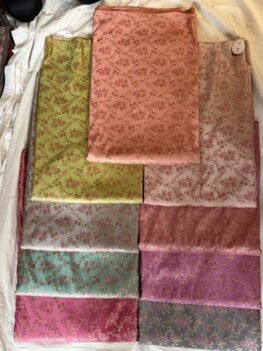

-
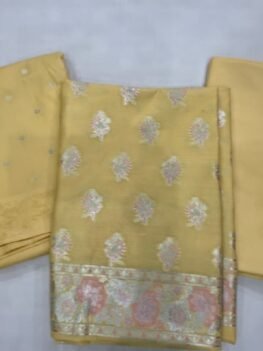
-
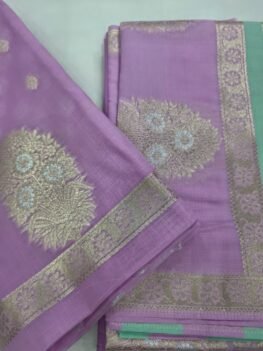
-
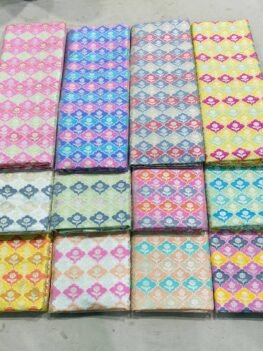
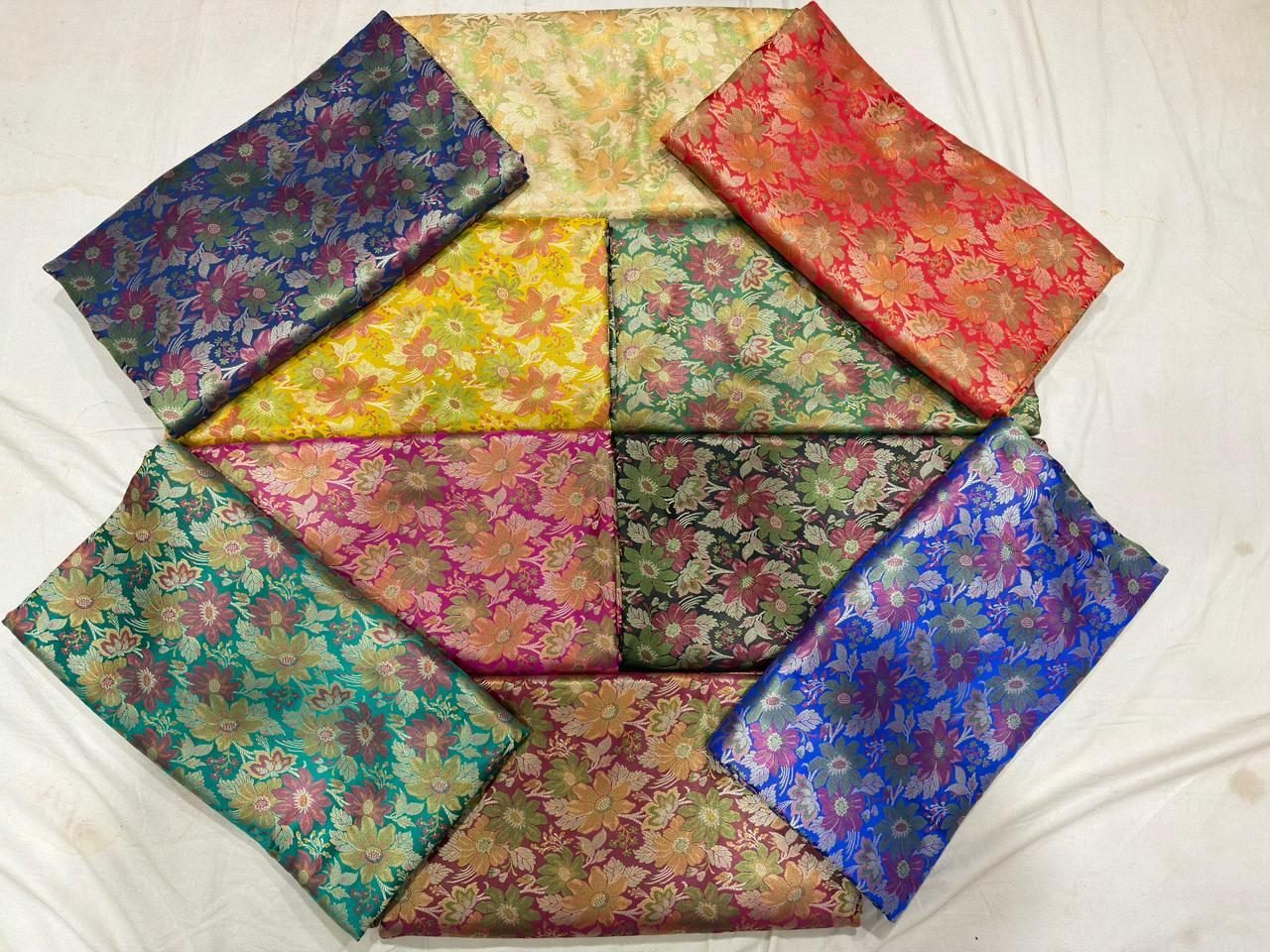
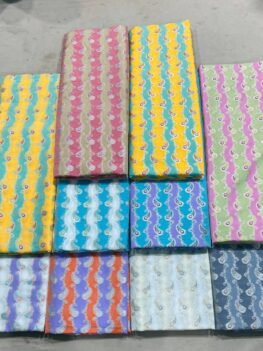
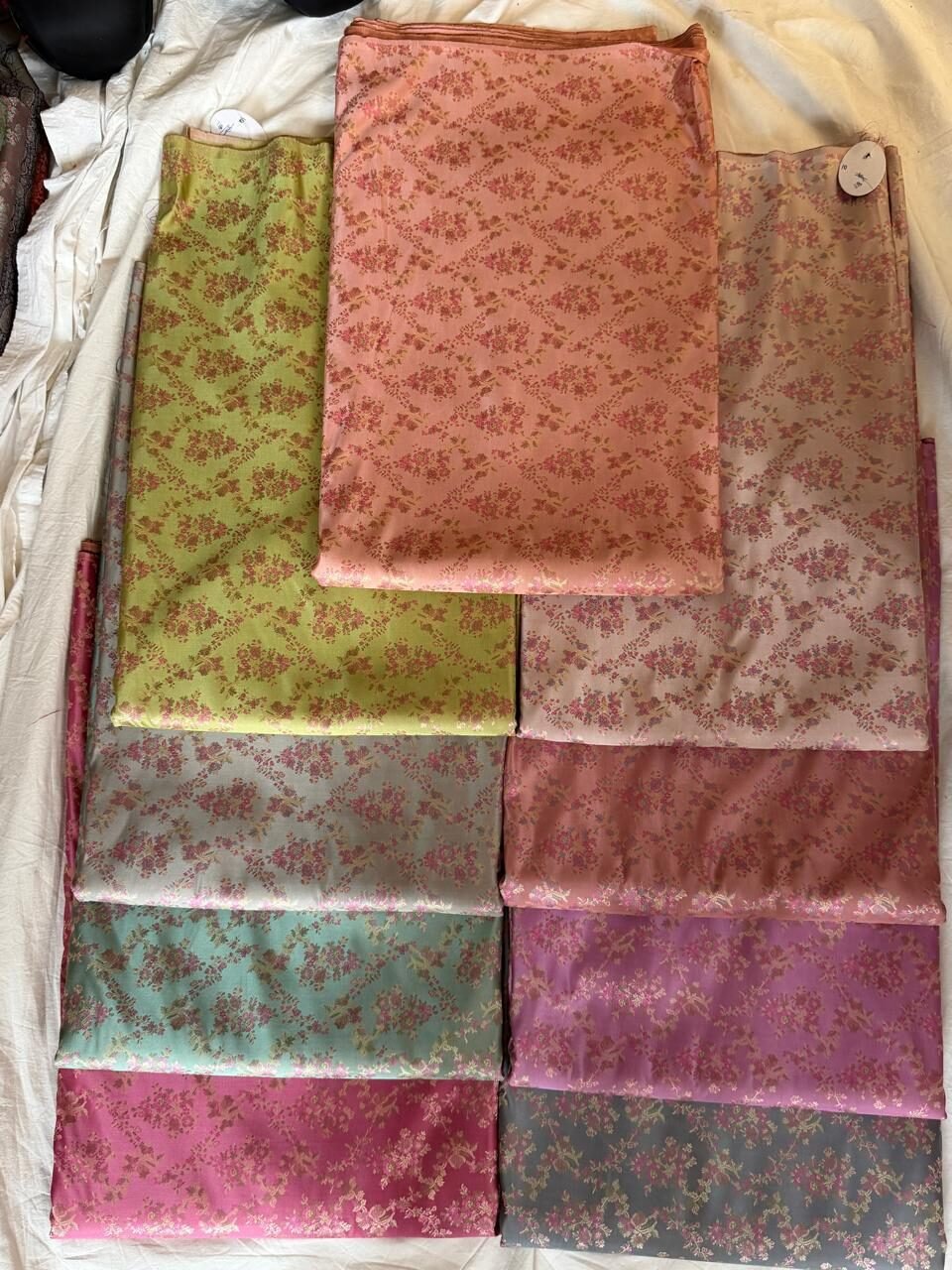
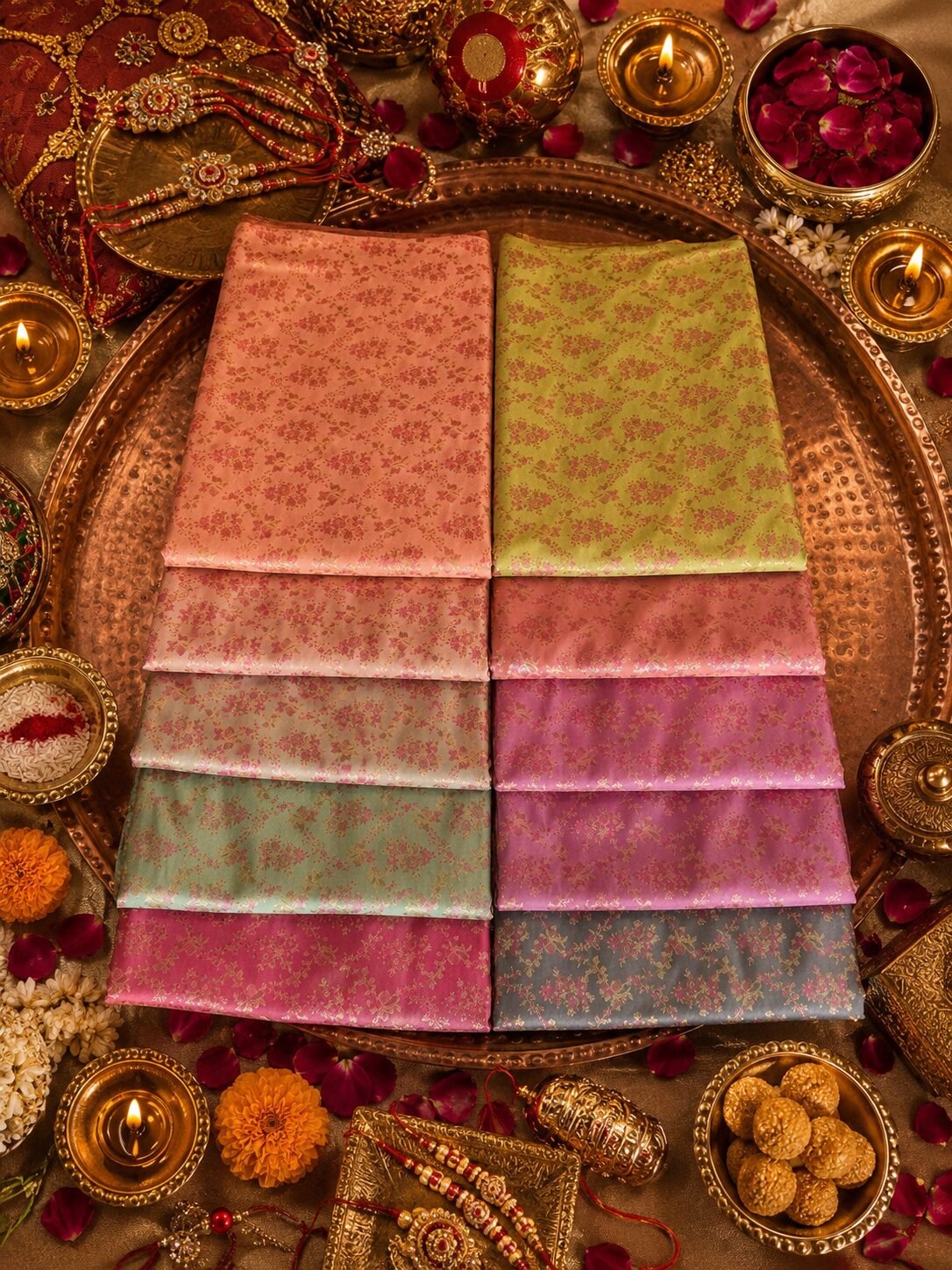
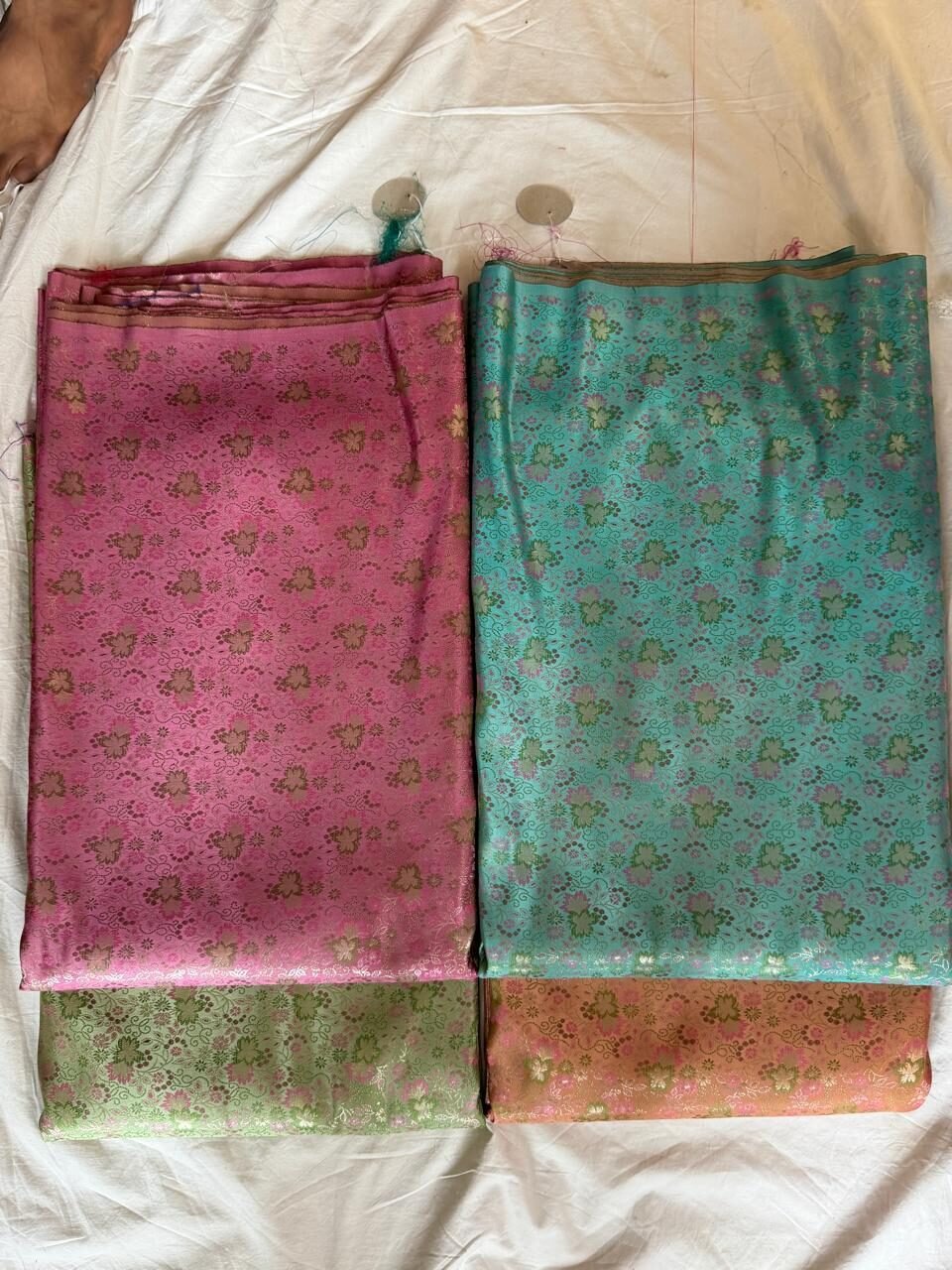
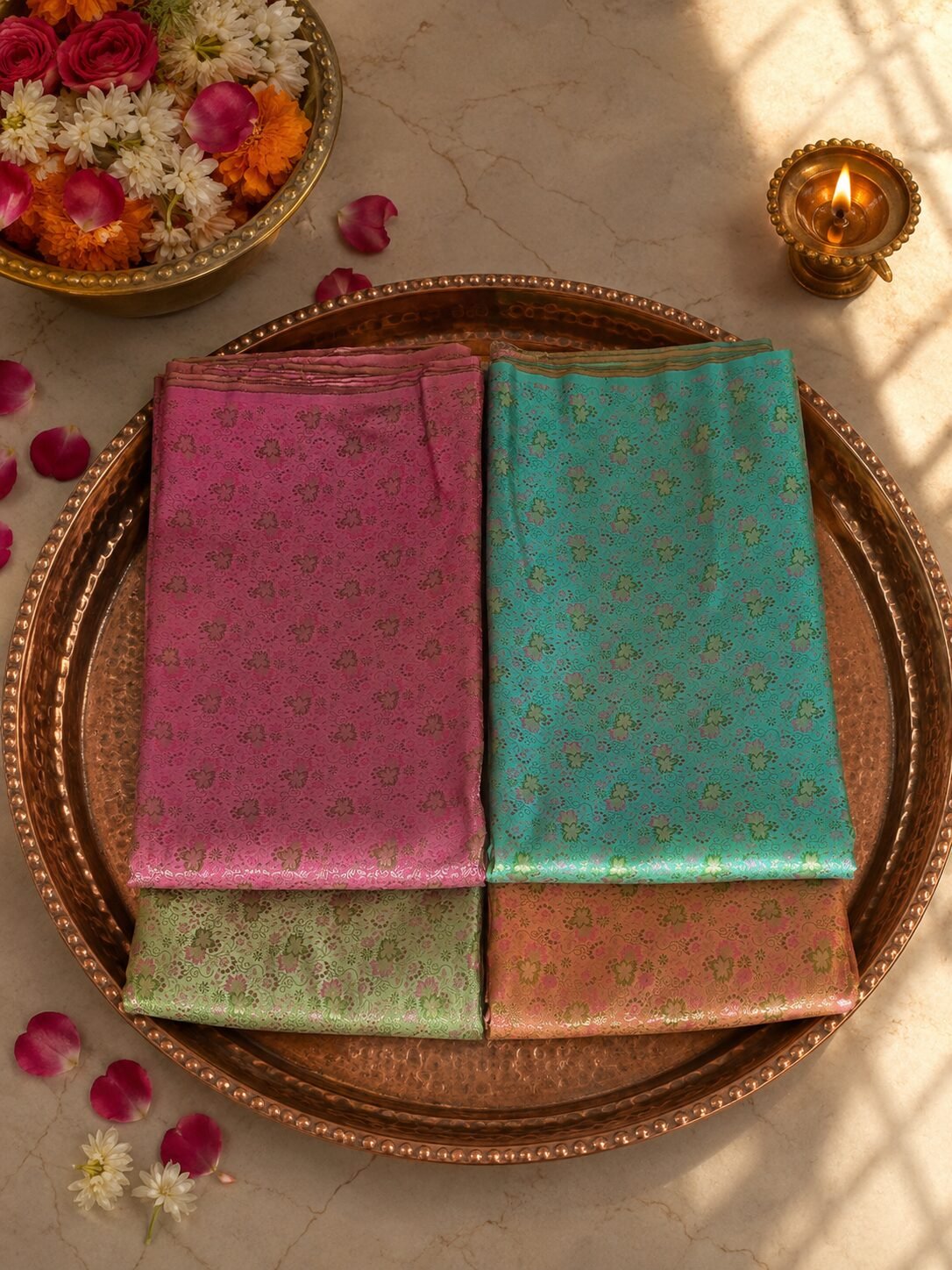
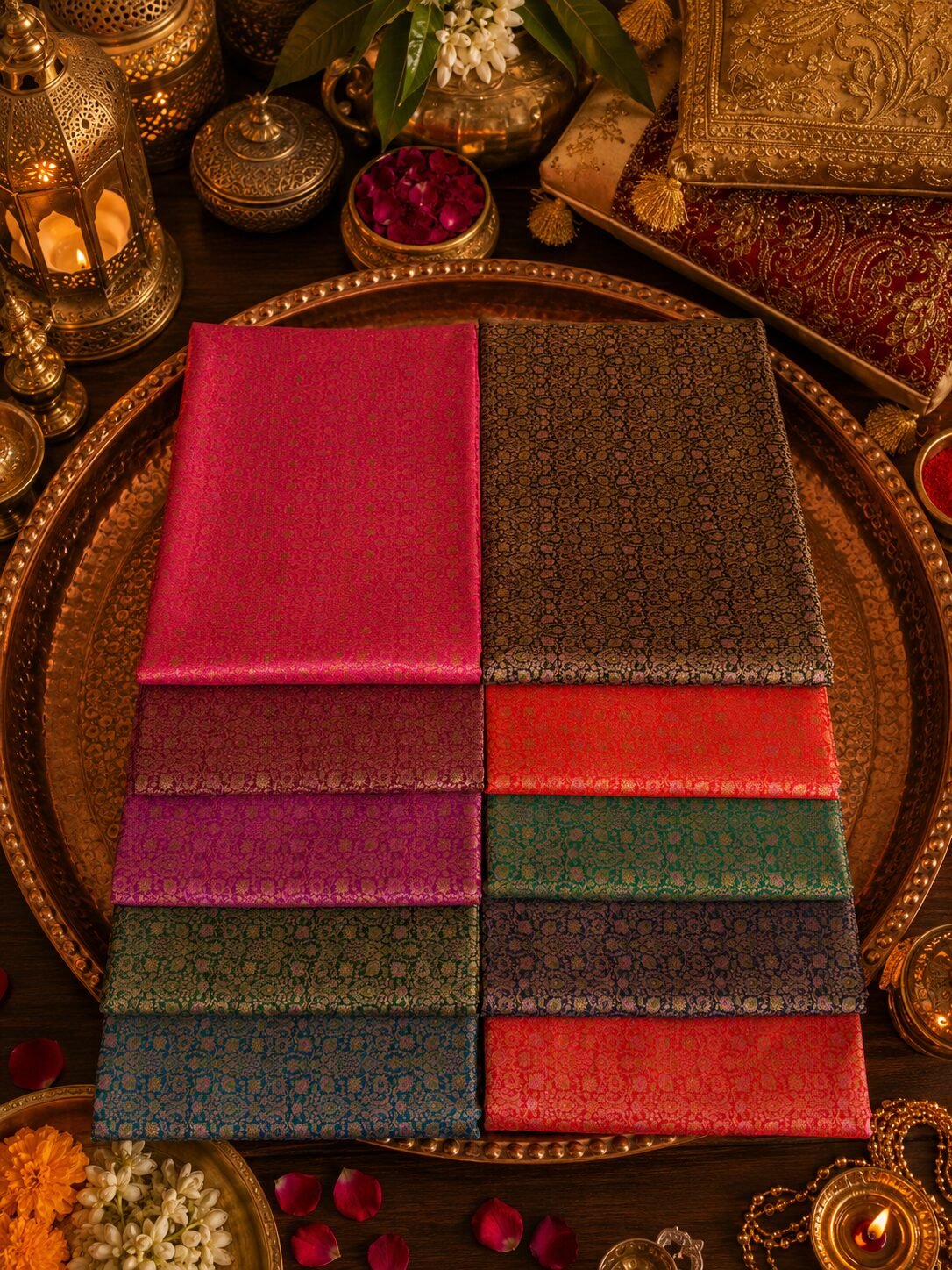
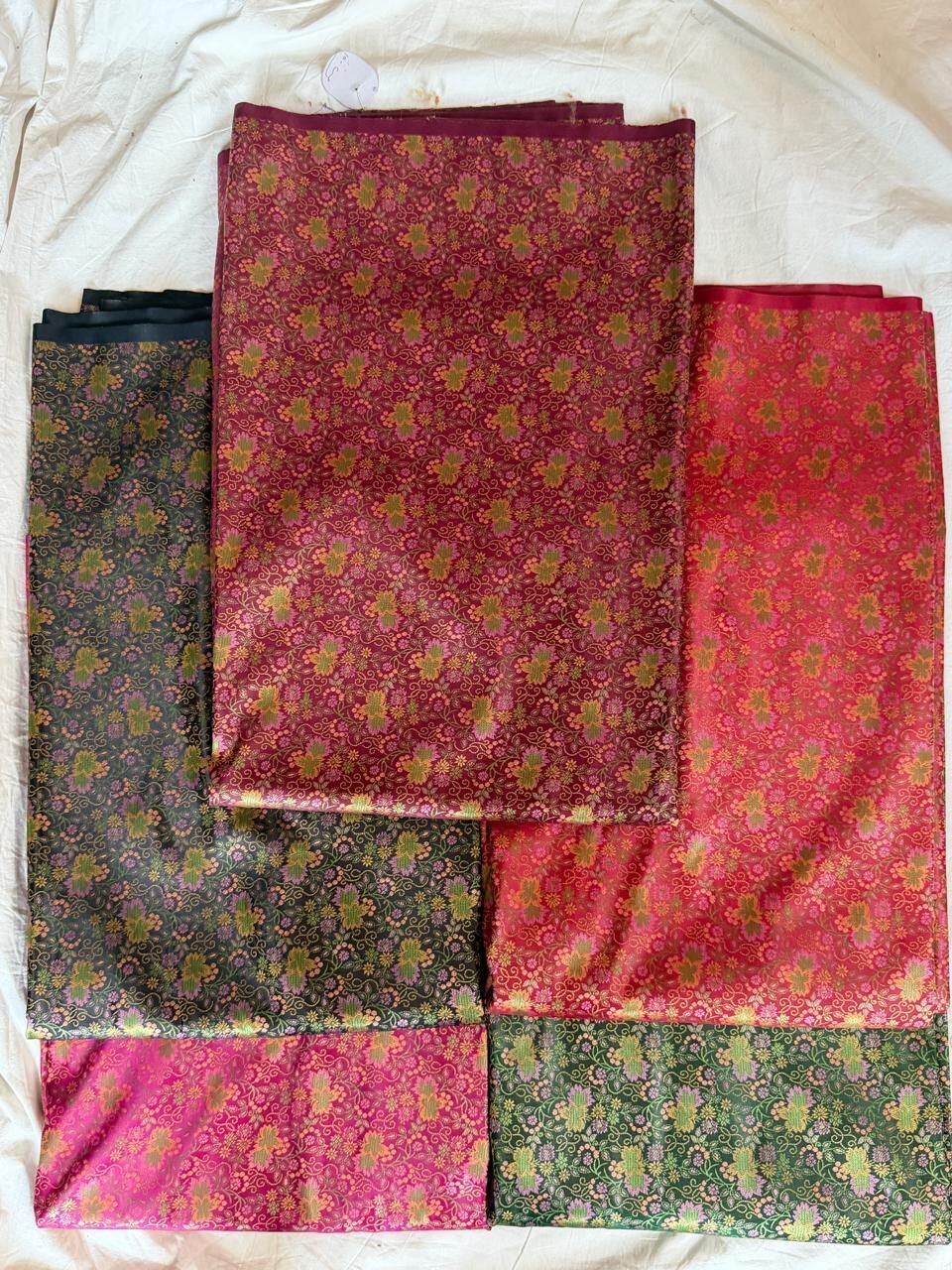
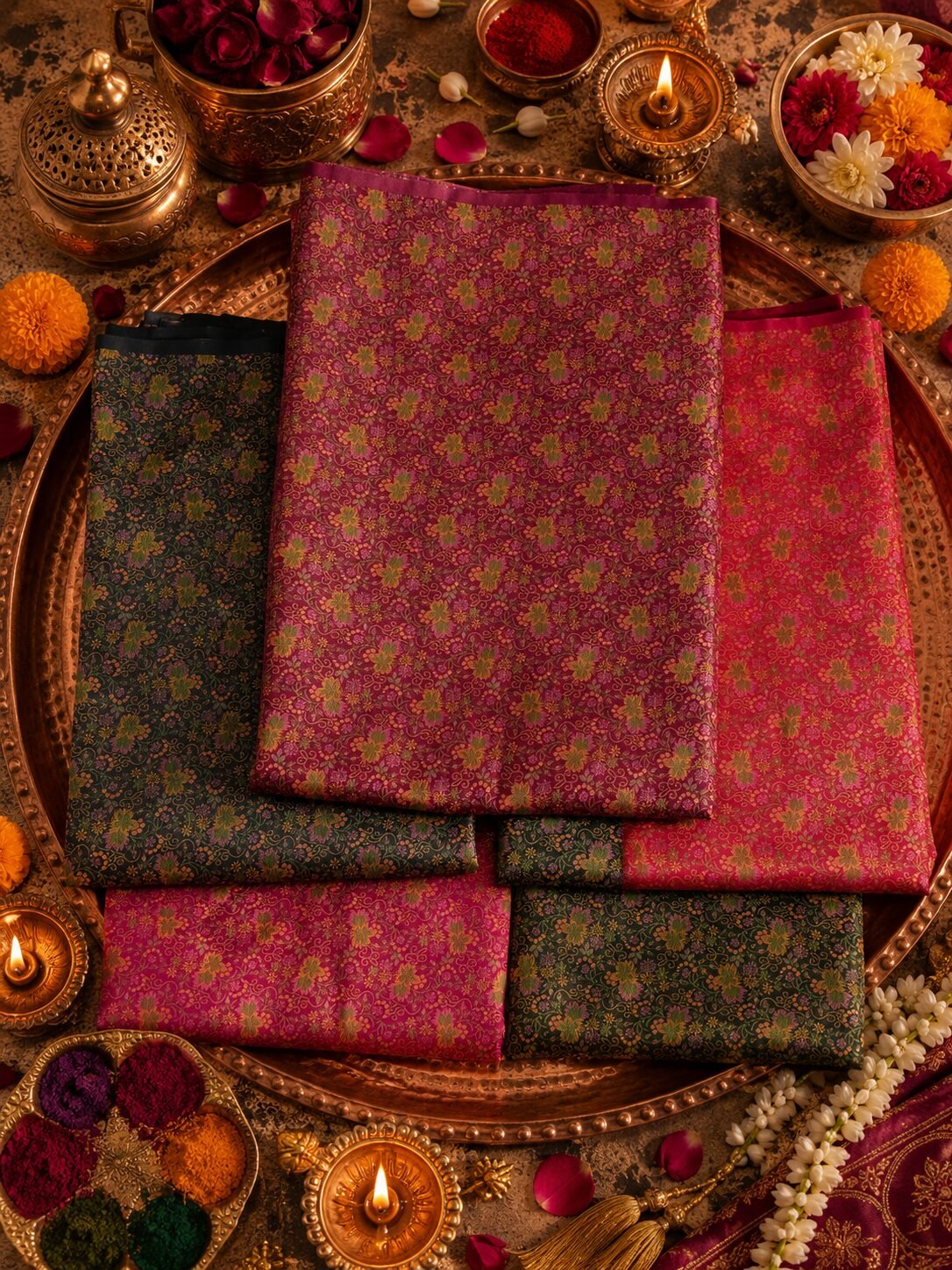
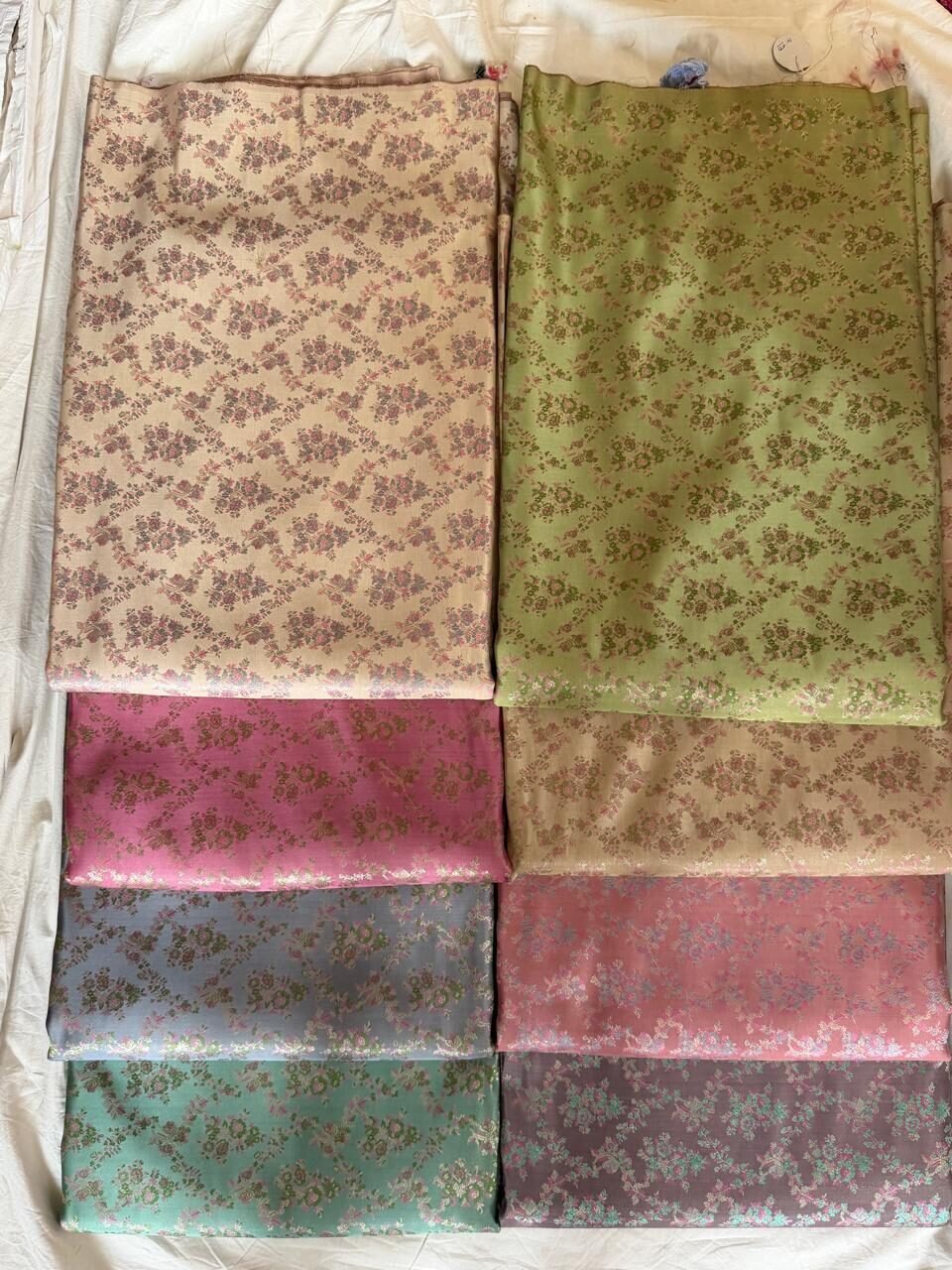
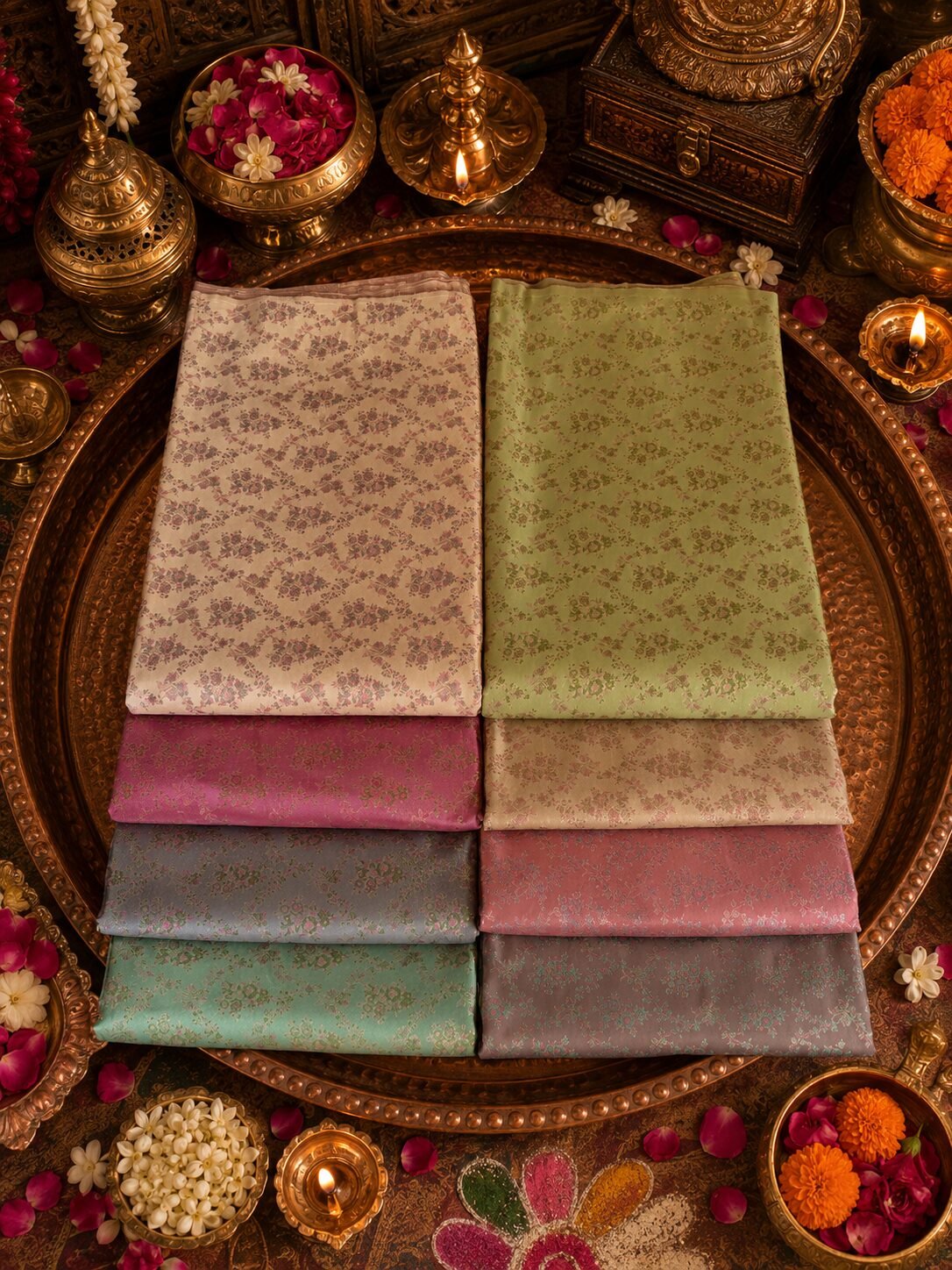
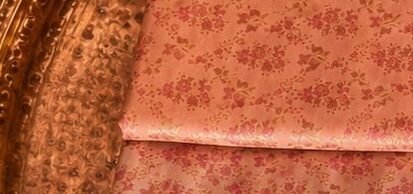
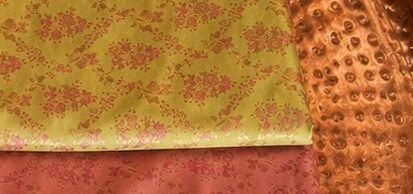
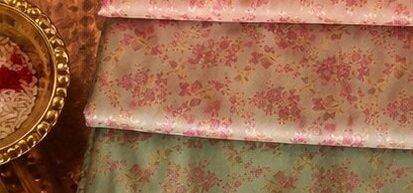
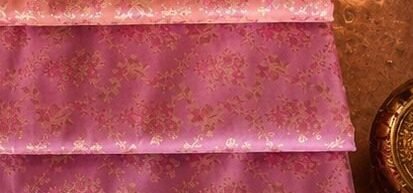
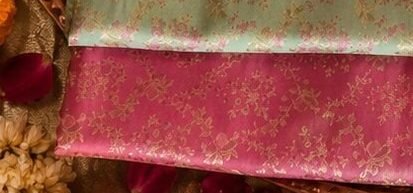
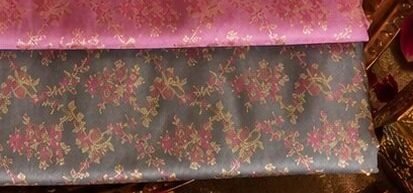
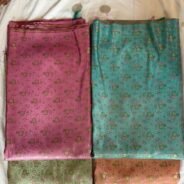
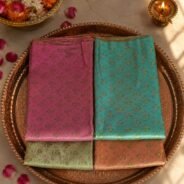
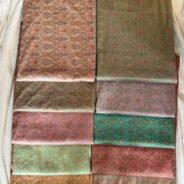
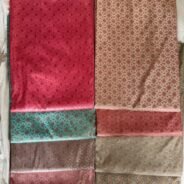
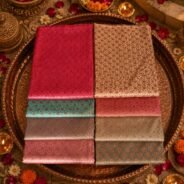
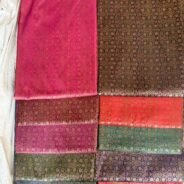
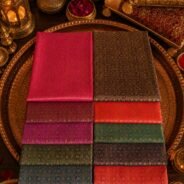
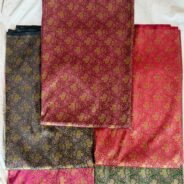
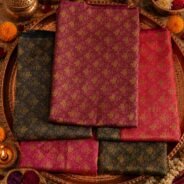
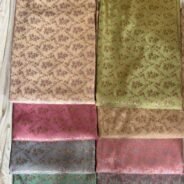
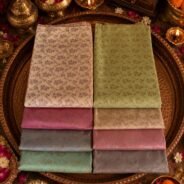
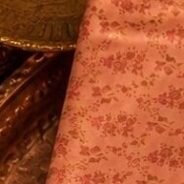
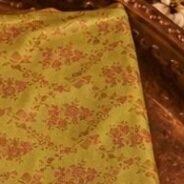
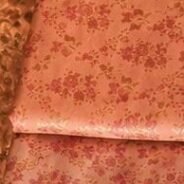
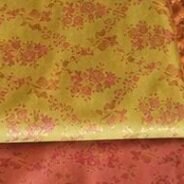
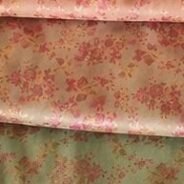
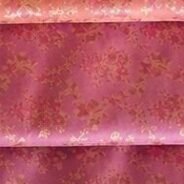
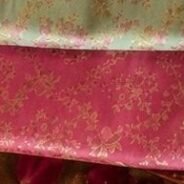
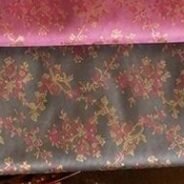
RANGKAT BROCADE 44" #7839
₹735 / Meter

-
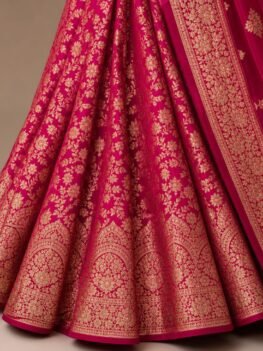
-
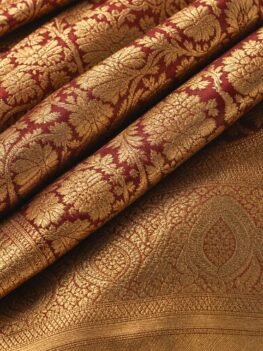
Kimkhab Brocade Fabric - Maroon Gold_DEL
Original price was: ₹4,999.₹4,599Current price is: ₹4,599. / Meter -
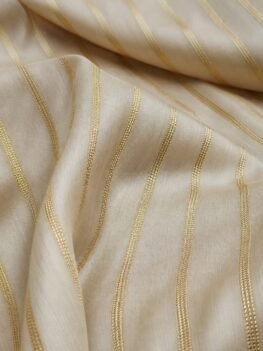
Satin Stripe Zari Fabric - Ivory_DEL
Original price was: ₹2,699.₹2,399Current price is: ₹2,399. / Meter
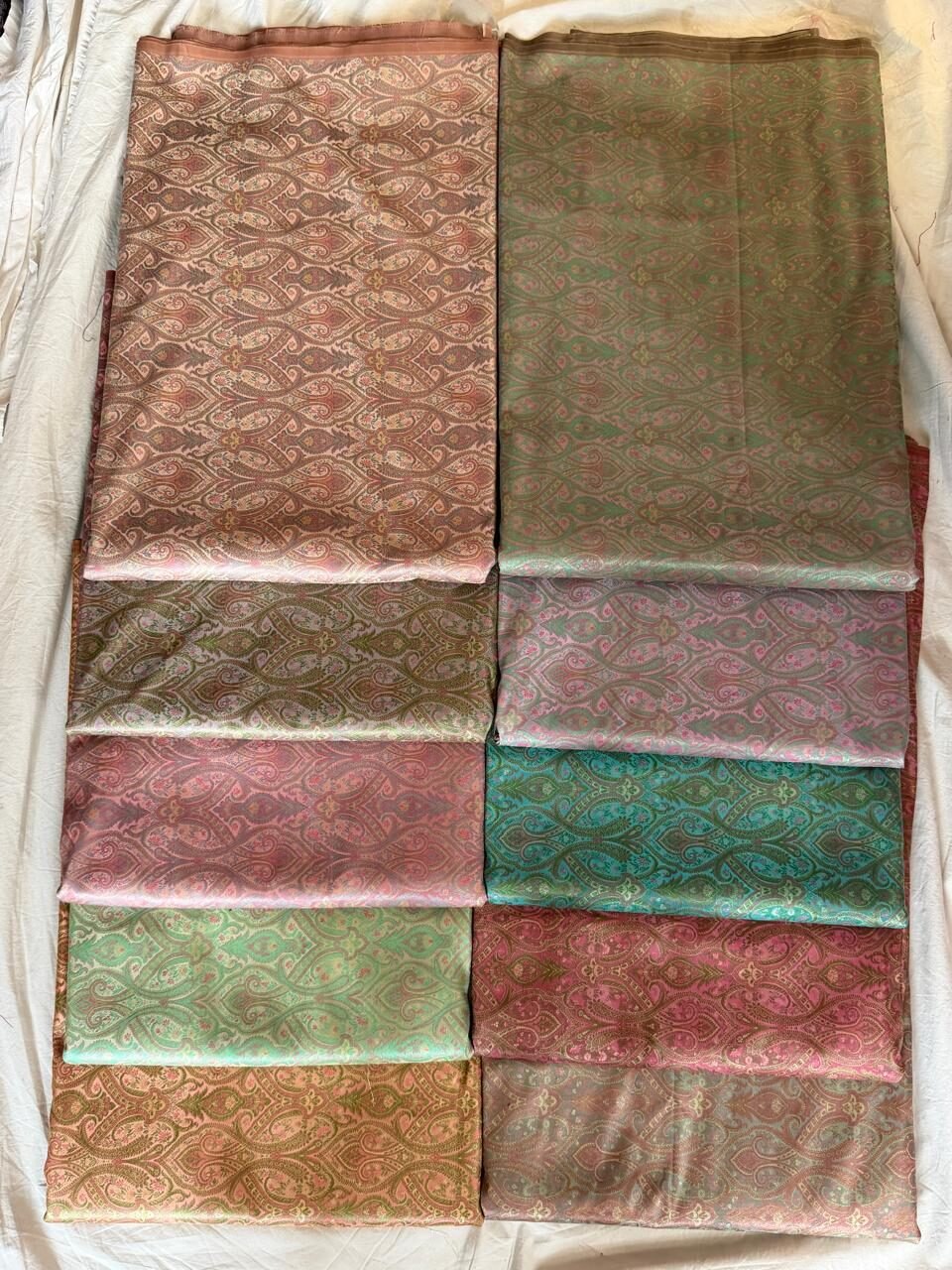
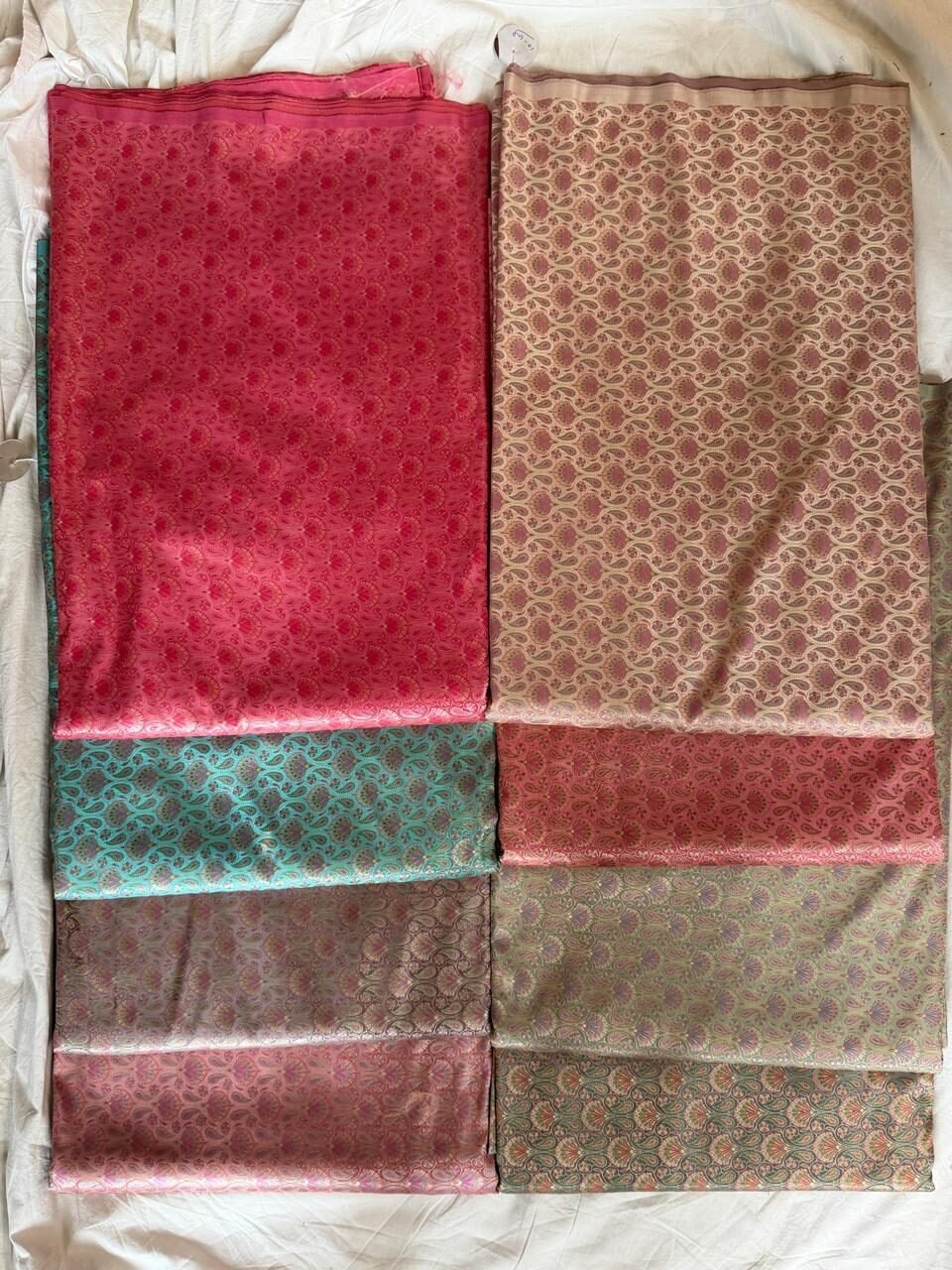
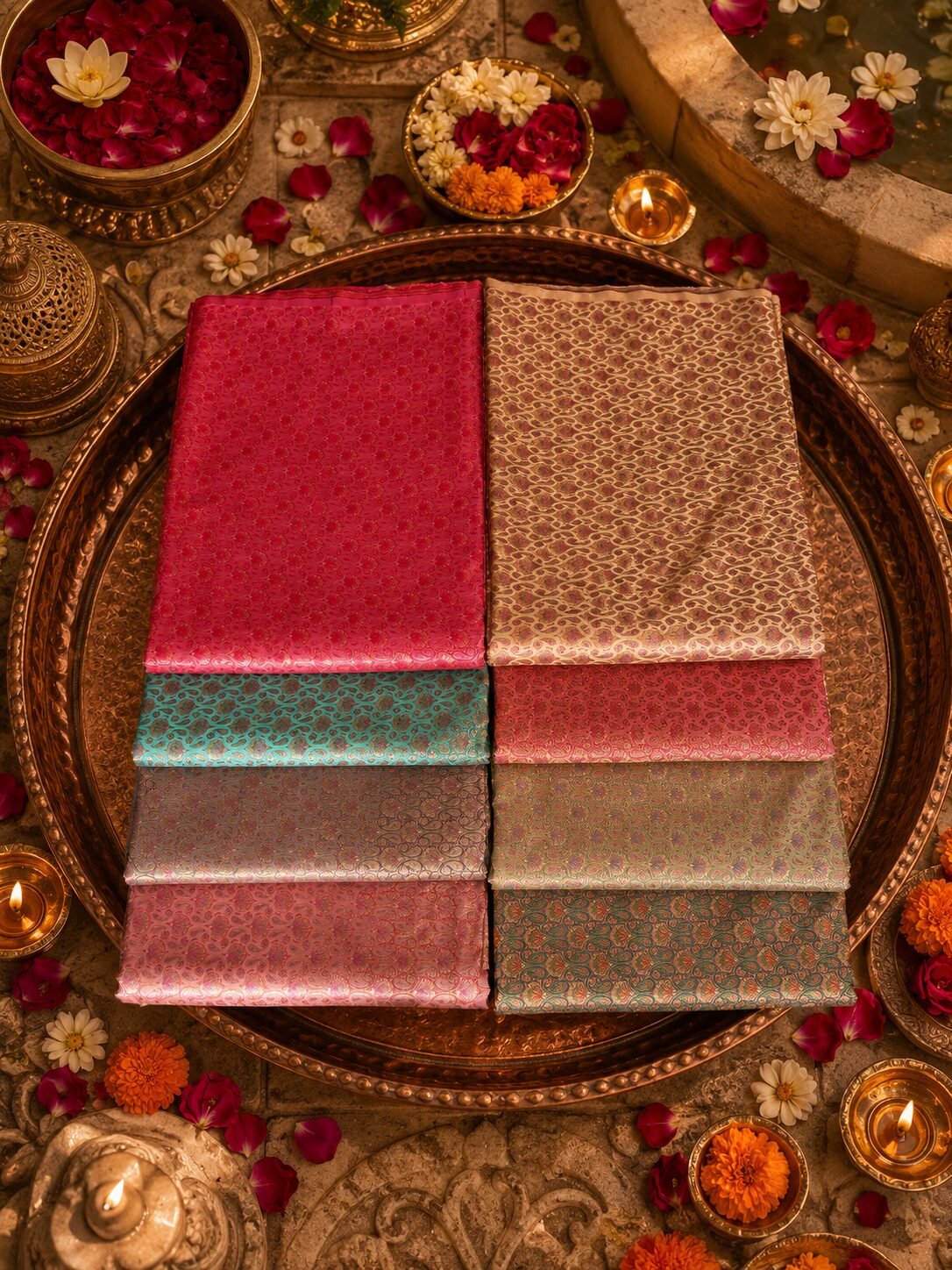
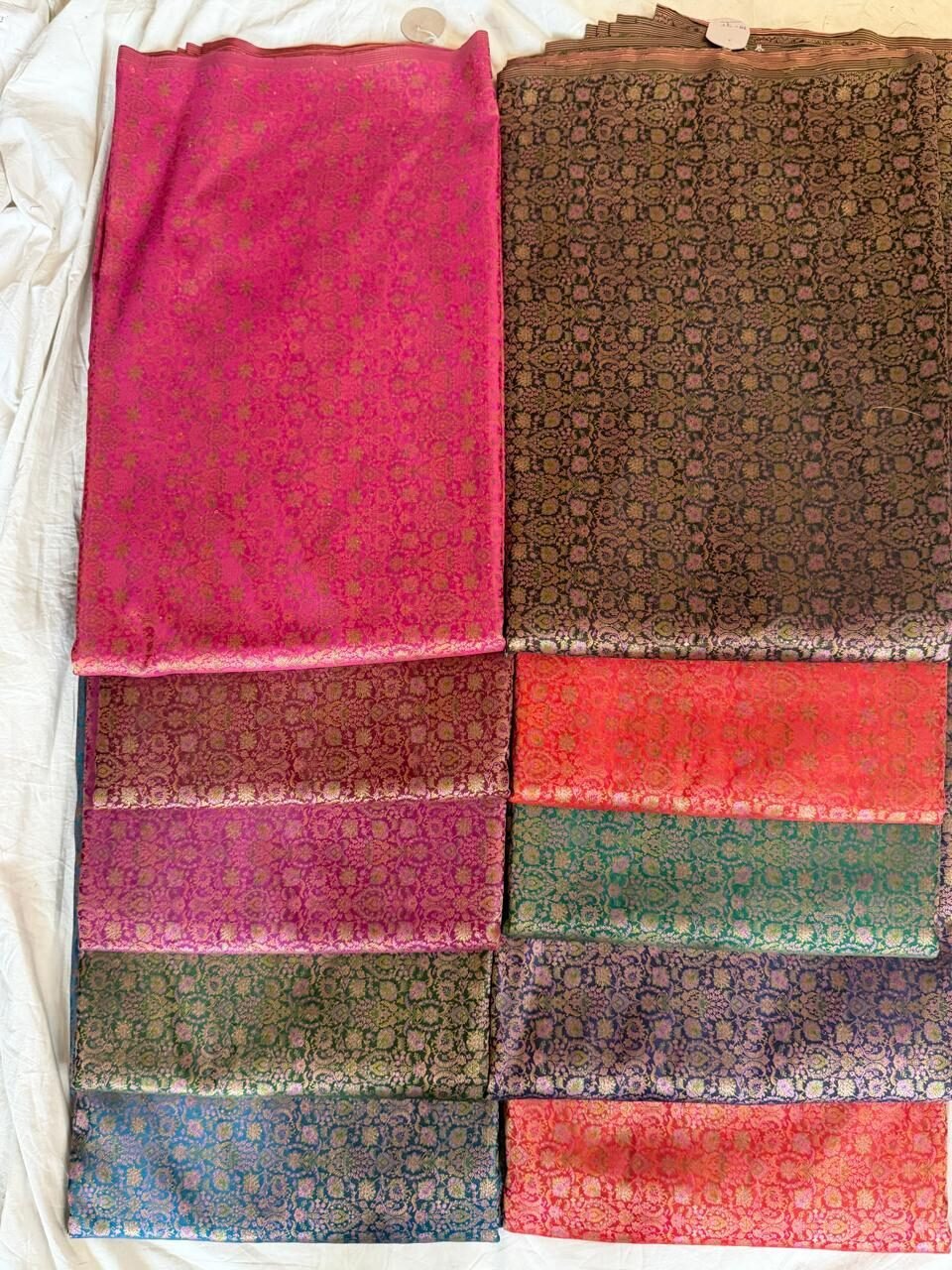





Product specifications
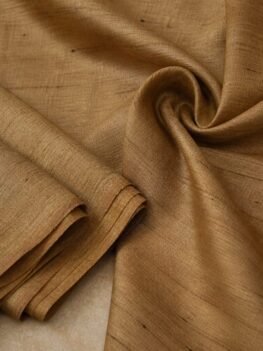
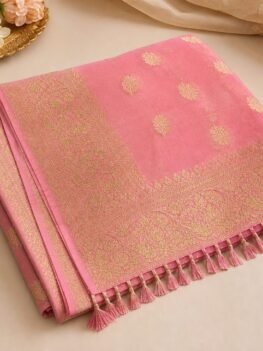
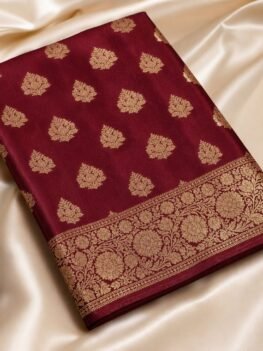
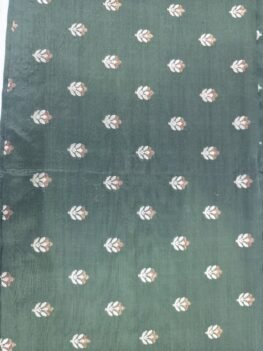
Sartan Tanchoi Tehra Brocade
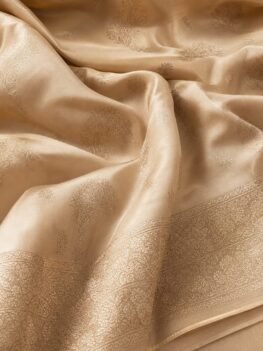
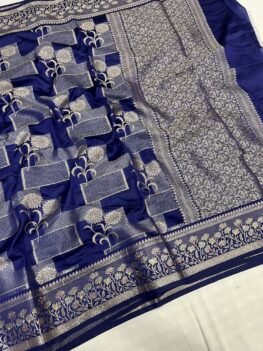
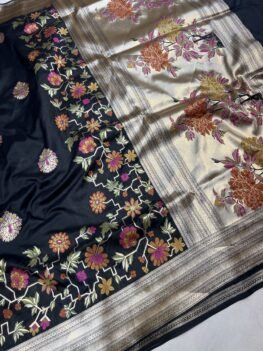
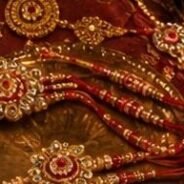
Sartan Tanchoi Tehra Brocade (often referring to Satin Tanchoi Tehra Brocade) is a masterwork handloom silk fabric from Varanasi, combining three distinct weaving traditions into a single ultra-luxurious textile:
- Estimated Delivery : Up to 4 business days
- Free Shipping & Returns : On prepaid orders above ₹5000 across India
Product specifications
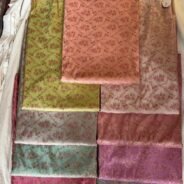
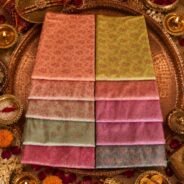
| Colour | Brown, Copper, Emerald, Green, Maroon, Orange, Pink, Purple, Rani Pink, Red, Teal |
|---|---|
| Fabric Use | Dress Material |
| Fabric Width | 44 inches / 112 cm |
| Material | Brocade Silk |
| Occasion | Party |
| Origin | Varanasi (Banaras) |
| Packaging | Cut length |
| Pattern | Jaal |
| Weave | Banarasi Brocade |
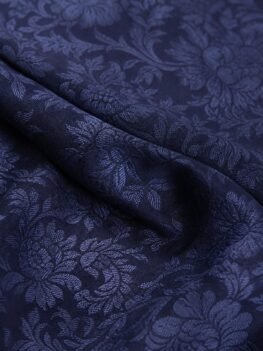
Sartan Tanchoi Tehra Brocade (often localized in Banarasi weaving terminology as Satin Tanchoi Tehra Brocade) represents a prestigious union of three distinct handloom craft traditions. Originating from Varanasi (Banaras), Uttar Pradesh, this intricate textile brings together the high sheen of Satin, the multi-colored threadwork of Tanchoi, and the multi-layered structural depth of Tehra brocading.
Understanding the Three Components
Sartan (Satin Base):
“Sartan” is a local Hindi/Urdu weaving term referring to a high-density Satin silk base weave.
It provides the fabric with a glossy, light-reflecting surface, ultra-smooth tactile feel, and fluid drape.
Tanchoi (Technique & Patterning):
Originating from a blend of Chinese and Indian techniques introduced via Parsi traders in the 19th century, Tanchoi uses multiple colored silk weft yarns interweaving directly with the warp.
It produces complex, self-patterned floral or geometric motifs without leaving long cut threads (no cutwork) on the reverse side.
Tehra (Triple-Thread Layering):
Derived from tehra (three-fold or triple), this refers to the specialized technique of using three warp/weft thread streams simultaneously.
This builds a subtle raised surface, lifting the Tanchoi motifs to create a multi-dimensional relief.
Key Characteristics
Rich Sheen with Tactile Depth: The contrast between the sleek, lustrous satin backdrop (Sartan) and the raised triple-thread pattern (Tehra) creates an embossed, embroidery-like visual effect.
Soft & Lightweight Drape: Unlike heavy Kimkhab brocades that rely heavily on dense metal zari, Sartan Tanchoi relies primarily on fine silk threads. This makes it significantly lighter, softer, and more fluid while maintaining a royal appearance.
Seamless Construction: The back of the fabric remains exceptionally neat and flat because the extra weft threads are tightly integrated into the weave rather than clipped.
Intricate Motifs: Common designs feature classical Banarasi elements such as Kalka (paisley), Phool-Patti (florals and creepers), Jal (intricate lattices), and Shikargah (hunting scenes).
Common Uses
Bridal & Ceremonial Sarees: Prized for heirloom Banarasi sarees that demand high luster, fluid drape, and intricate detailing without excessive weight.
Luxury Menswear: Frequently chosen for regal Sherwanis, Bandhgalas, and tailored Achkans.
Couture Ensembles: Designer blouses, festive dupattas, and heavy lehenga panels.
Heritage Decor: Used in boutique upholstery, accent cushions, and luxury drapes.
Care Instructions
Dry Clean Only: To protect the delicate satin weave, silk fibers, and multi-thread motifs, professional dry cleaning is mandatory.
Storage: Store wrapped in a breathable muslin or cotton bag in a dry, cool place. Avoid hanging for extended periods to prevent structural stretching along the satin warp.
Ironing: Steam softly or iron on the reverse side using low heat with a press cloth. Avoid direct dry heat on the satin surface.
Related products
-
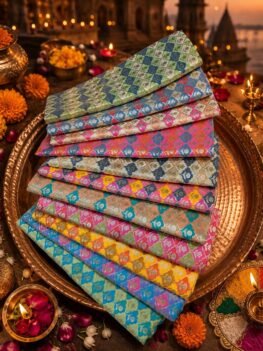
RANGKAT BROCADE 44″ #7839
₹735 / Meter -
-
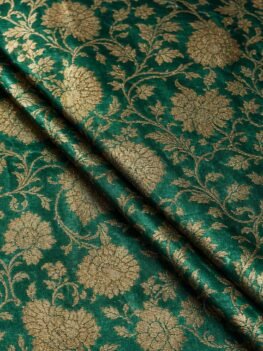
Banarasi Brocade Fabric – Emerald Gold_DEL
₹3,299 / Meter -
Rangkat Brocade Fabric – Multicolour Banarasi_DEL
Original price was: ₹2,499.₹2,199Current price is: ₹2,199. / Meter -
Satin Stripe Zari Fabric – Ivory_DEL
Original price was: ₹2,699.₹2,399Current price is: ₹2,399. / Meter -
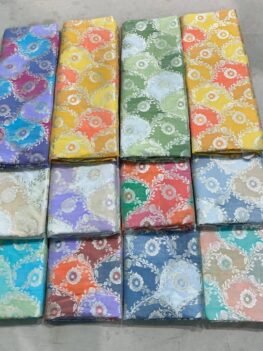
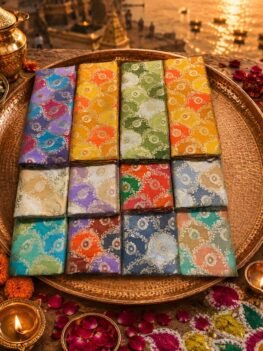
RANGKAT BROCADE 44″ #7658
₹735 / Meter