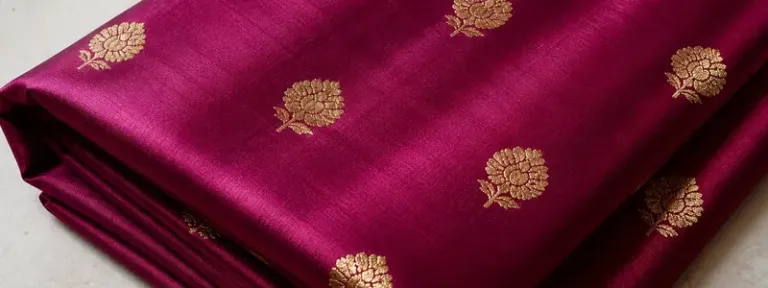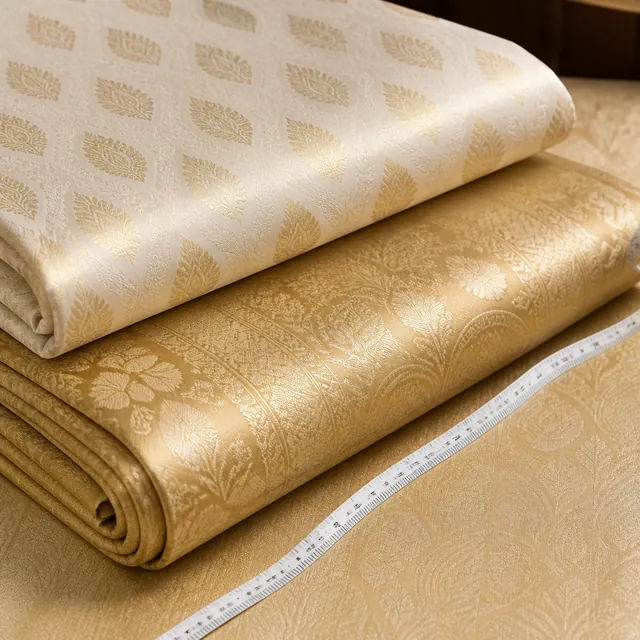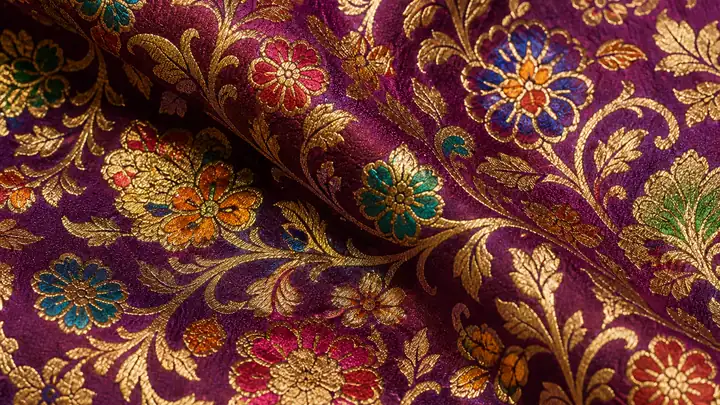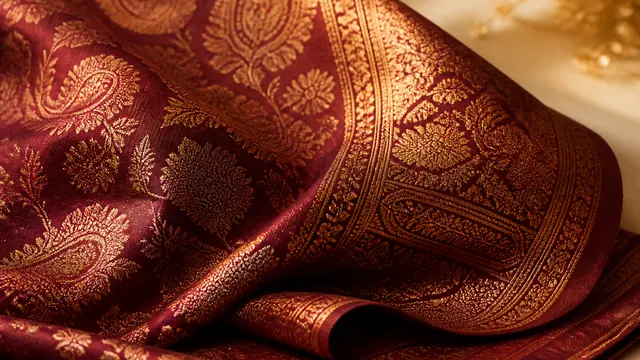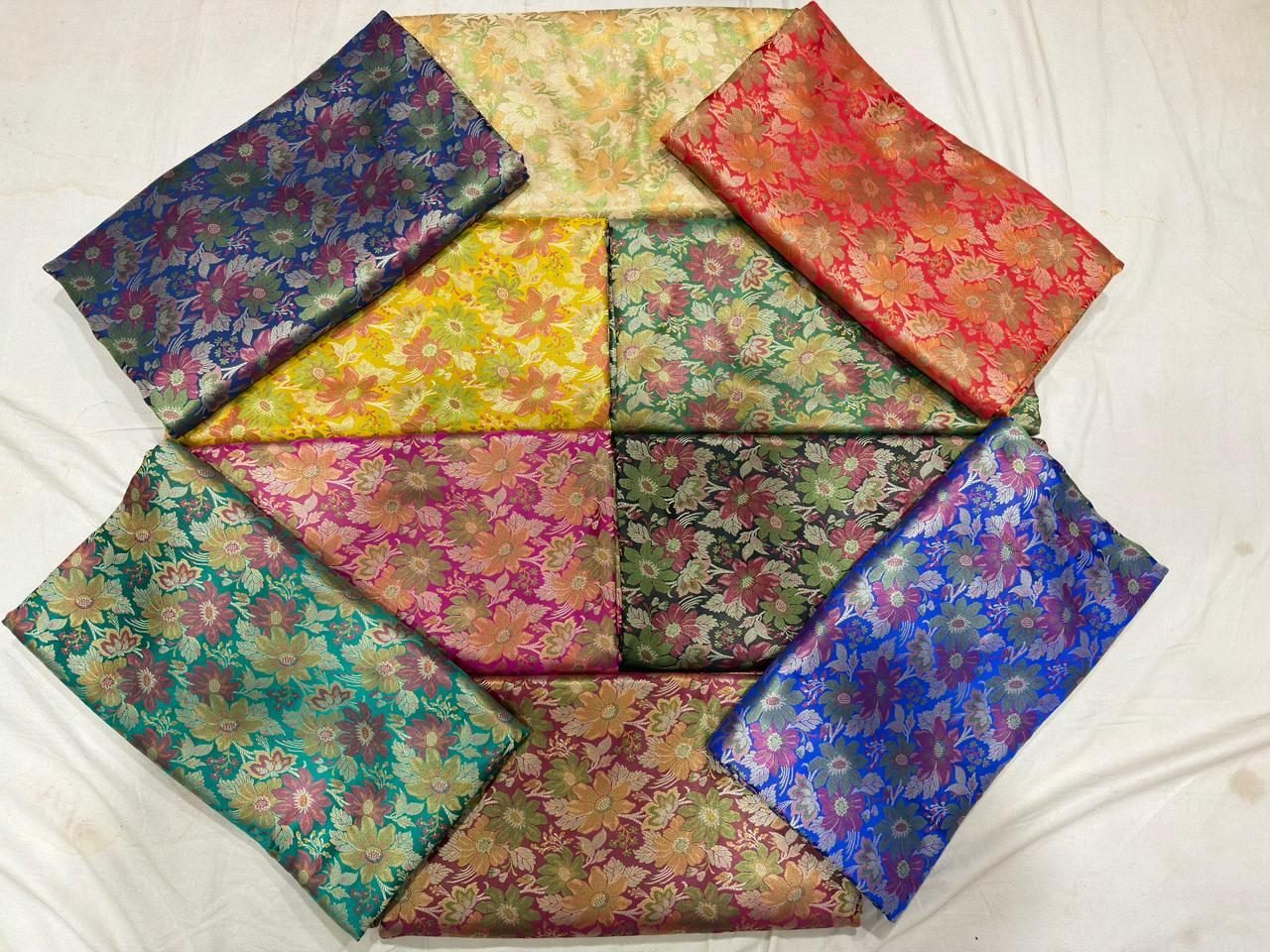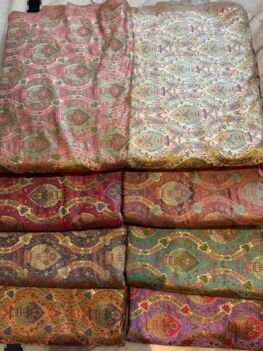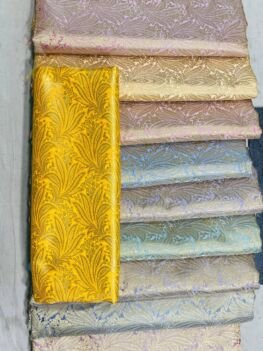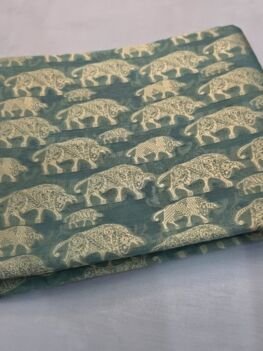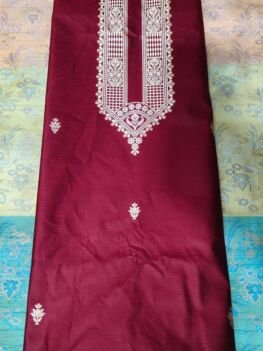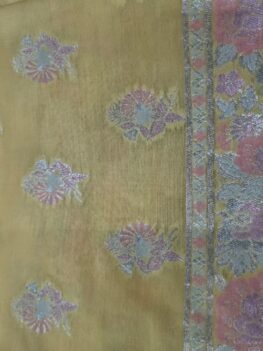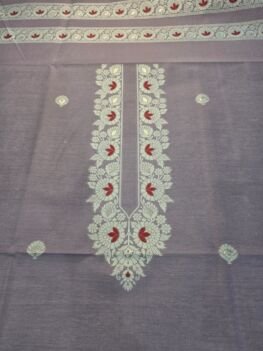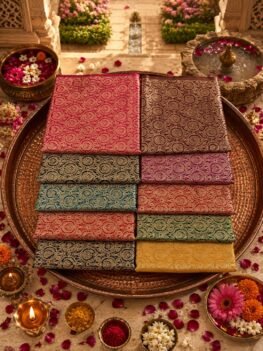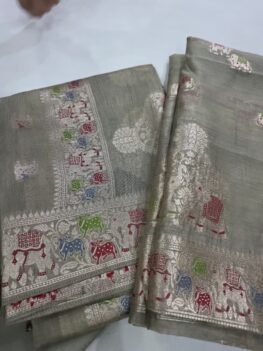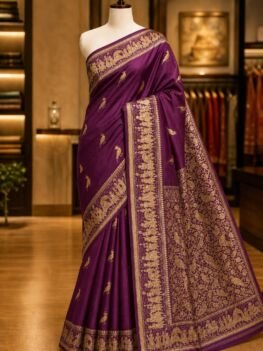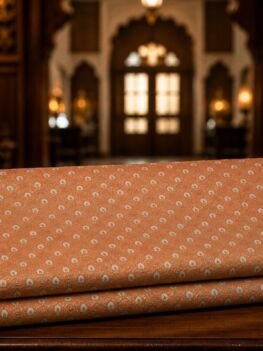
Care for Silk Kurta Fabric is the full page for keeping Banaras silk kurta fabric clean, wearable, and ready for the next event. Parent hub: Silk Fabric for Kurta. Broader saree and fabric care also lives on How to Care for Banarasi Silk.
Primary topic: care for silk kurta fabric. Use this page before you stitch, and again after the first wear.
Care by silk type for kurtas
| Silk type | Preferred care | Watch-outs |
|---|---|---|
| Katan | Gentle dry clean for festive pieces; mild hand wash only if the label allows | Bright sheen shows water spots if rushed |
| Raw silk | Mild hand wash or gentle clean; air dry flat or on a wide hanger | Slub texture can look crushed if wrung hard |
| Brocade / kimkhab | Dry clean. Specialist cleaner for dense zari | Metal thread snags; never hard brush |
| Tissue / soft silk | Gentle clean; press cloth for ironing | Sheer pieces need lining care too |
After every wear
- Air the kurta away from harsh direct sun for a few hours.
- Check collar, cuffs, and underarms for perfume or food marks early.
- Hang on a wide hanger or fold with muslin if the piece is heavy.
- Keep deodorant and perfume off the cloth. Spray on skin first, then dress.
Wash vs dry clean
Heavy zari, dense brocade, and ceremonial kimkhab should go to a cleaner who knows Banaras work. Lighter raw silk and some soft silk pieces may take a mild cold hand wash if the fibre label allows.
- Do not soak for long. Do not wring.
- Rinse cold. Roll in a clean towel to blot, then dry in shade.
- Wash deep colours separate the first time if you ever hand wash.
Rule of thumb: if the cloth cost more than a casual shirt, or it has metal thread, dry clean first and ask before experimenting at home.
Ironing and steam
- Use low heat with a press cloth, especially on zari.
- Press from the reverse when you can.
- Avoid hard steam blasts on tissue and metallic grounds.
- Test a seam allowance scrap if the garment is already stitched.
Storage for silk kurta fabric and finished kurtas
- Store dry, cool, and away from damp cupboards.
- Use breathable cotton or muslin covers. Avoid long stays in plastic.
- Refold occasionally so crease lines do not become permanent.
- Keep moth and perfume sachets away from direct contact with silk.
Stitching notes that protect the cloth
- Confirm lining / astar needs before you cut tissue or heavy brocade.
- Match motifs on jaal and brocade before sleeve and placket cuts.
- Use fine needles on slippery surfaces.
- Ask for a clear fibre label so the cleaner later knows what they are handling.
Full authenticity checks: Authentic Silk for Kurta.
Shop or ask us
Common questions
Can I machine-wash silk kurta fabric?
Usually no. Prefer dry clean for zari and brocade. Mild hand wash only when the fibre label clearly allows it.
How do I care for silk fabric before stitching?
Air the length, store it dry, and avoid perfume spray on the roll. Confirm care with your tailor before the first press.
Does tissue silk need special care?
Yes. Handle gently, use a press cloth, and plan lining so the finished kurta is not stressed at the collar.