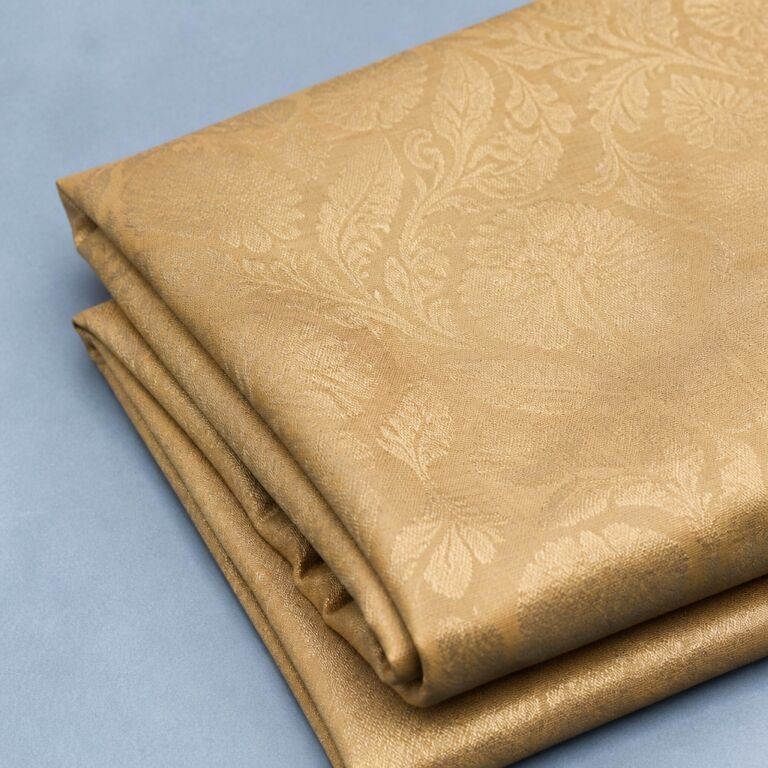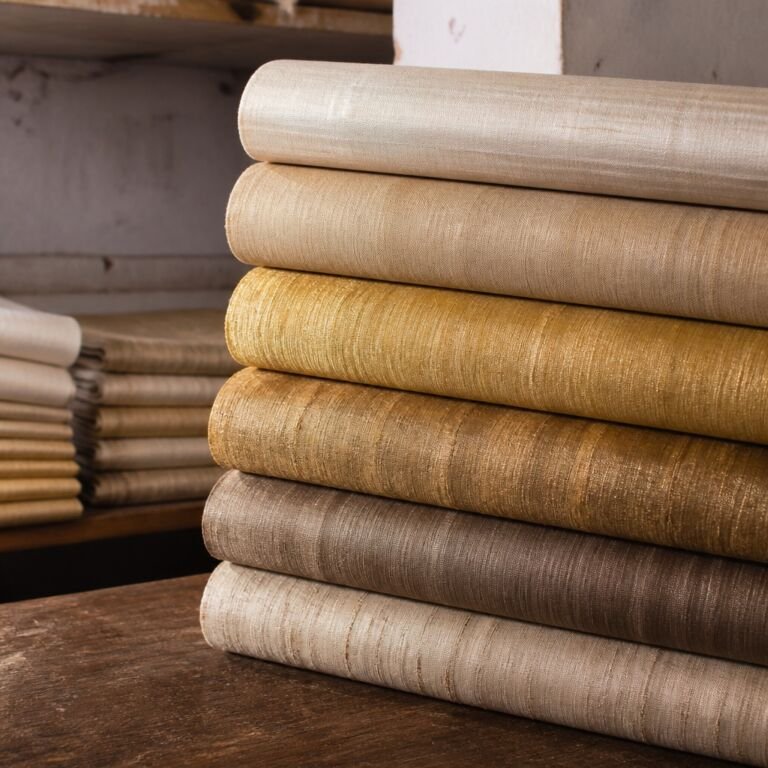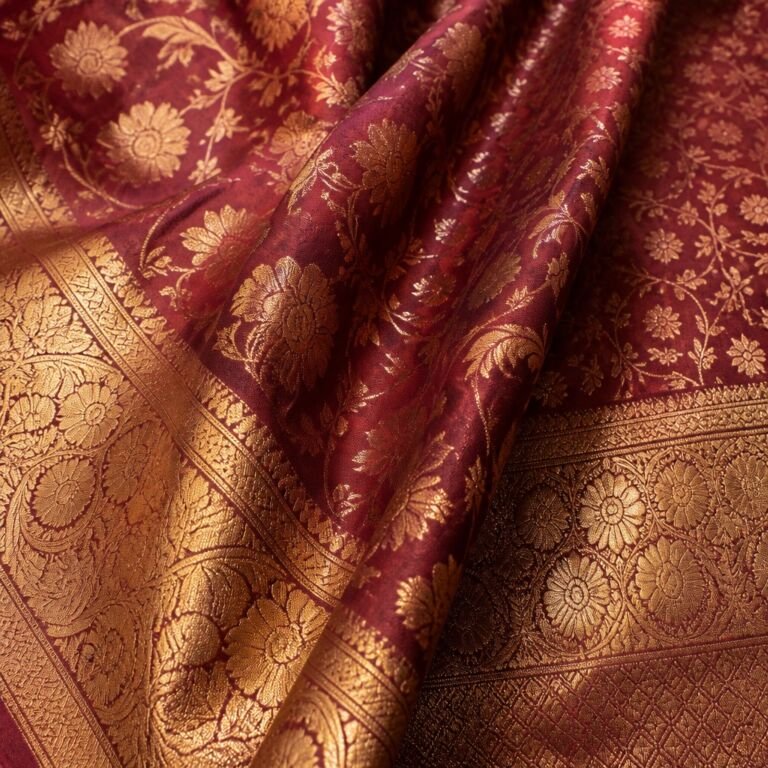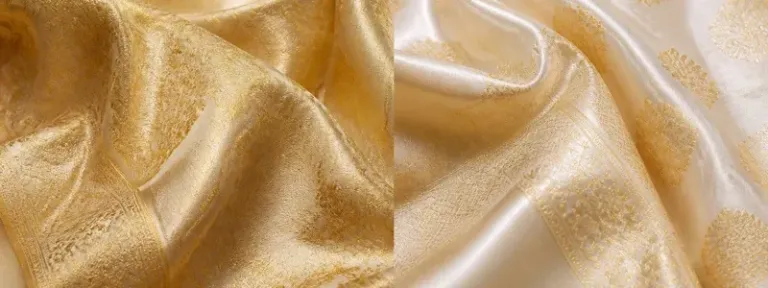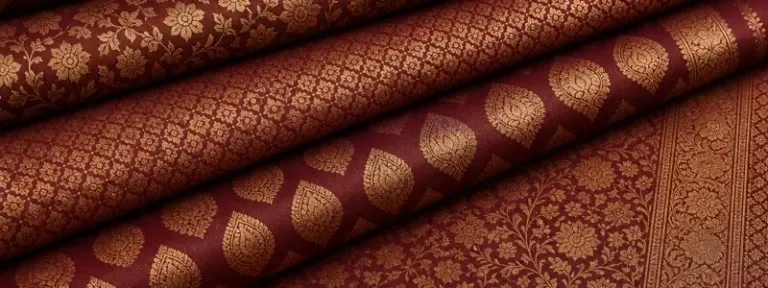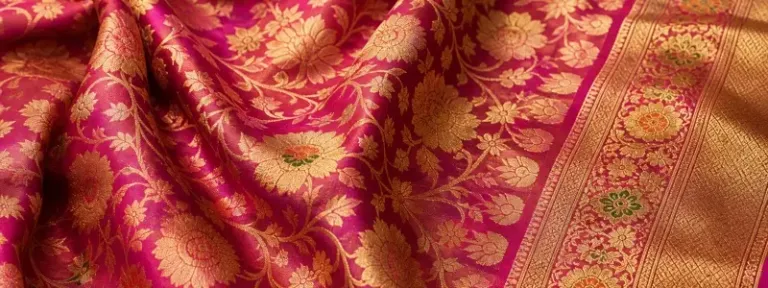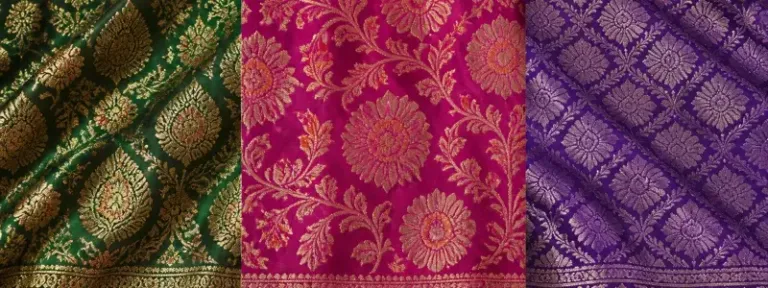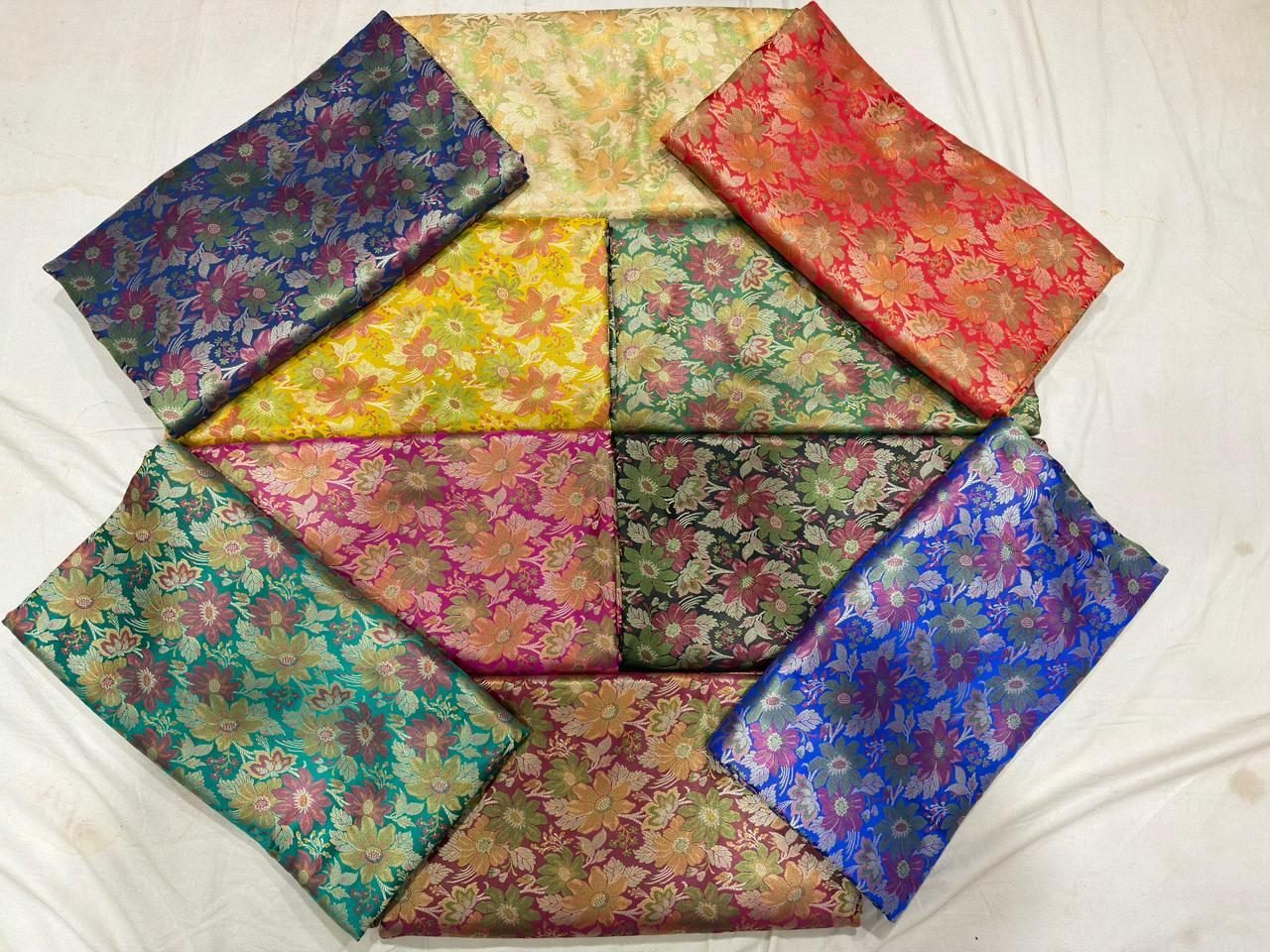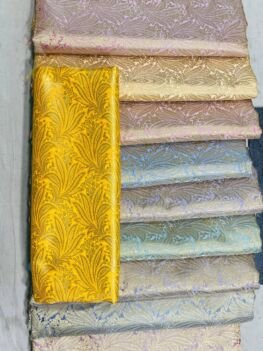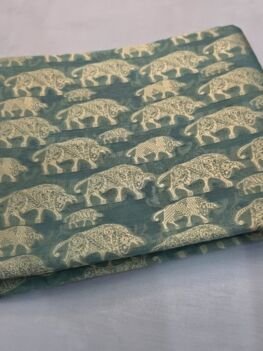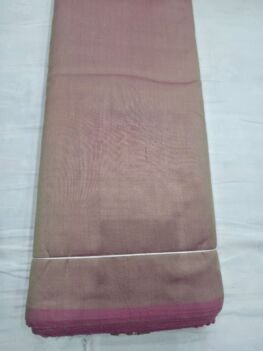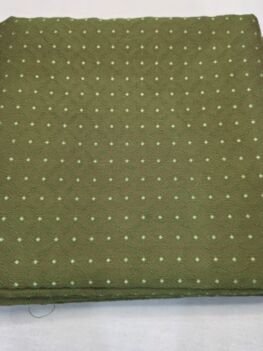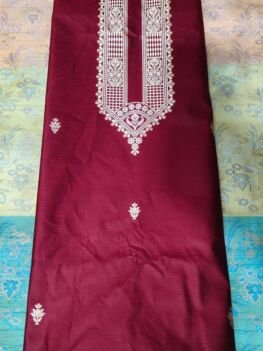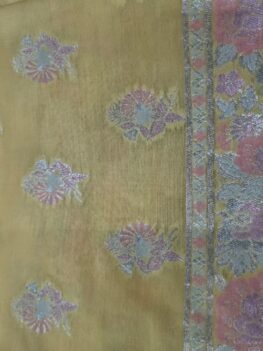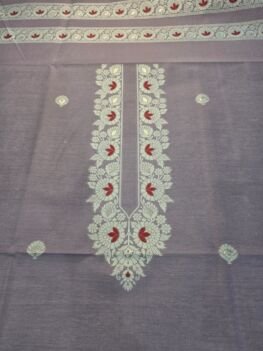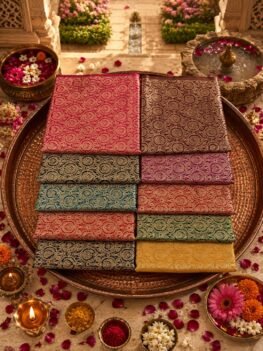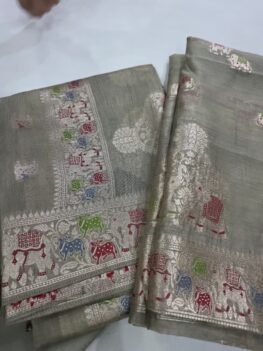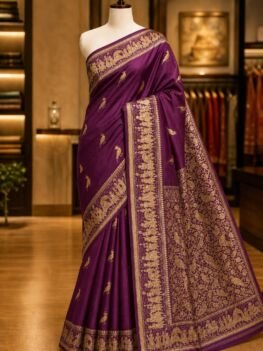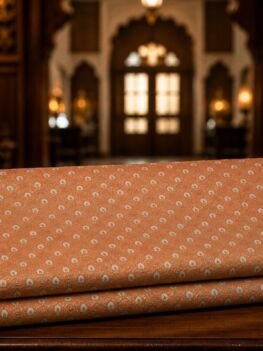
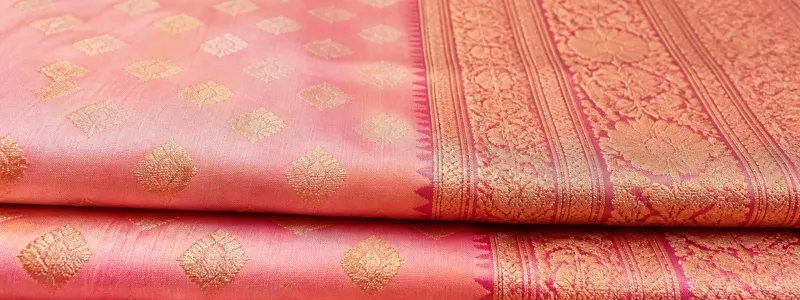
Choosing pure silk vs silk blends is not a purity contest. It is a garment decision. A Chennai wedding kurta, a Delhi reception sherwani, and a day festive set for April heat do not need the same silk fabric story from Varanasi.
KashiFab works with buyers who want honest fibre names on Banaras cloth: when pure silk is worth the meters, when a labelled blend saves the wearer, and how to brief either path without WhatsApp fog. Related checks: pure silk vs art silk and how to identify pure Banarasi silk.
What pure silk should mean on a label
In Varanasi trade talk, “pure silk” should map to a named silk type, not a mood. Prefer katan, tussar, raw, moonga, or another specific silk fabric name over a poster that only says pure.
- Pure silk here means the face you are cutting is silk fibre as labelled, with no quiet polyester face sold as Banaras luxury.
- Silk blend means silk shares the cloth with another fibre (often cotton, viscose, or polyester) in a stated mix. The blend is not a crime. Hiding the blend is.
- Art silk is a different problem. It is usually synthetic silk-look cloth. Do not treat it as a “soft blend”. See the art silk page for that fight.
Ask for the name on the piece, usable width, and whether zari is light or dense. Those three answers decide more garments than any burn-test video.
When pure silk wins
Pure Banaras silk fabric earns its meters when the garment must carry sheen, structure, or ceremony weight that a blend will not fake for long.
- Wedding and reception kurtas where guests expect Banaras hand and the cloth must hold a placket cleanly. Katan is the usual festive face.
- Sherwani and jacket panels that need body under embroidery or piping. A limp blend collapses in photos.
- Hero saree or brocade stories where motif and zari are the product. See brocade and kimkhab.
- Export or boutique labels that print fibre honestly on tags. Pure silk with a clear type name is easier to defend than “silk feel”.
Pure silk also fails when climate and hours of wear are ignored. Dense katan in peak summer can look grand and feel heavy after four hours. That is not a supplier cheat. That is a wrong brief.
When silk blends make sense
A labelled silk blend can be the smarter cut for daily festive wear, travel sets, or price bands where customers will not pay pure silk rates but still want a Banaras story in the weave.
- Warmer cities where breathability and wash habits matter more than bridal sheen.
- Indo-western day looks that need easier care than dense zari silk fabric.
- Boutique openers: a blend capsule to test colour stories before locking pure silk bulk.
- Kids or high-movement garments where pure silk risk and care load are too high.
House rule: if the piece is a blend, say the mix in writing before payment. “Silk rich” without numbers is not a brief. It is a future return ticket.
Shop silk fabric to compare hands
Priced Banaras silk fabric from Varanasi. Check fibre notes on each card before you choose pure silk or a labelled alternative.
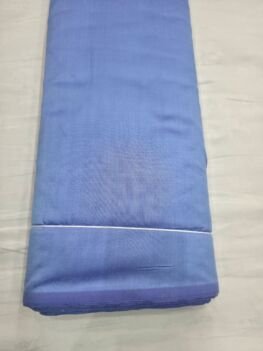
Banarasi Katan Silk Fabric - Wedding Gold
₹2,499 / Meter
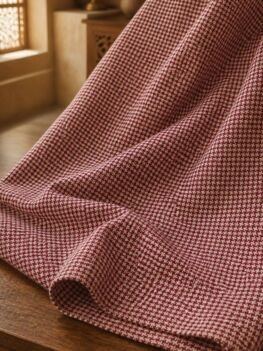
Raw Dupion Silk Fabric - Textured Natural
Original price was: ₹1,599.₹1,399Current price is: ₹1,399. / Meter
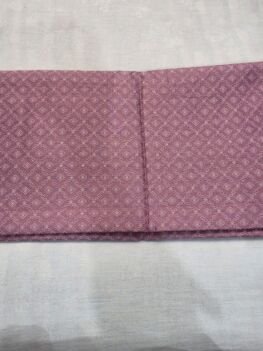
Tassar Ghicha Silk Fabric - Natural Gold
₹1,999 / Meter
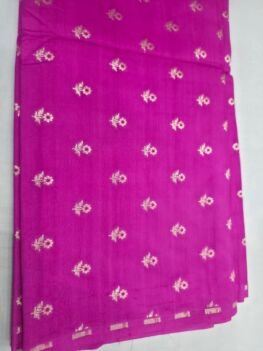
Munga Silk Fabric - Natural Gold Sheen
Original price was: ₹1,899.₹1,699Current price is: ₹1,699. / Meter
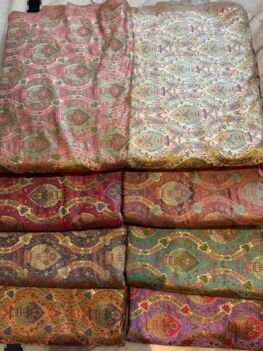
Kimkhab Brocade Fabric - Maroon Gold
Original price was: ₹4,999.₹4,599Current price is: ₹4,599. / Meter
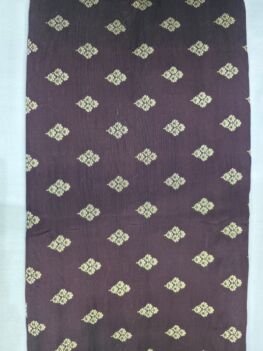
Tissue Silk Fabric - Metallic Gold
₹2,199 / Meter
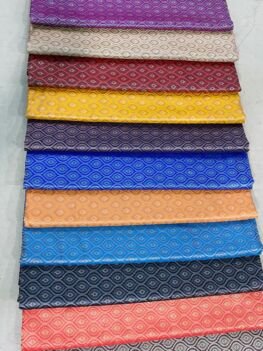
Tanchoi Silk Fabric - Classic Paisley
₹2,799 / Meter
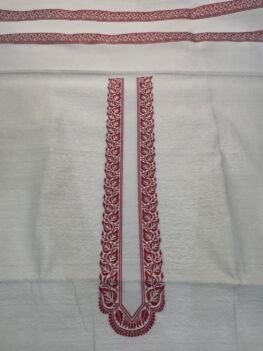
Banarasi Kurta Fabric - Menswear Silk
Original price was: ₹4,999.₹4,499Current price is: ₹4,499. / Meter
Garment decision table
| Garment | Lean pure silk when | Lean blend when |
|---|---|---|
| Festive kurta | Reception photos, firm katan hand, Banaras claim on tag | All-day outdoor heat, easy care, lower price band |
| Sherwani / jacket | Ceremony structure, embroidery base, dense look | Travel guest wear, lighter evening fusion |
| Saree | Bridal / heirloom weight, clear zari story | Party wear with frequent wash expectations |
| Wholesale capsule | Hero SKUs with fibre honesty for reorders | Volume openers while you test colours |
More kurta planning: silk fabric for kurta. Type deep-dives: katan, raw and tussar.
Price honesty in Varanasi silk fabric
Pure silk at a “too good” rate often means thinner construction, a different lot than the sample, or a blend sold with a silk story. Compare price per usable meter after width, not only the headline.
Blends can be fairly priced and still look rich in a store light. The failure mode is when sales talk says pure and the invoice says something softer. Keep the invoice fibre line. That paperwork helps more than a burn test at home.
How to brief KashiFab
- Name the garment and city of wear.
- Say pure silk type or “labelled blend OK” in plain words.
- Give meters per colour and a hard date cloth must leave Varanasi.
- Ask for a short sample if the hand is new to your tailor.
Common questions
Is a silk blend always lower quality?
No. A labelled blend can be the right garment choice. Problems start when the blend is sold as pure silk fabric.
Is katan always pure silk?
Ask for the fibre name on that piece. Katan is a silk type story. Still confirm the label, width, and sample match before bulk.
Can I mix pure silk and blends in one wholesale order?
Yes, if you split types and metres clearly. Packing and pricing stay honest when the brief is split.
Where should I start shopping?
Retail lengths: Banarasi silk shop. Bulk: wholesale or quote with city and timeline.