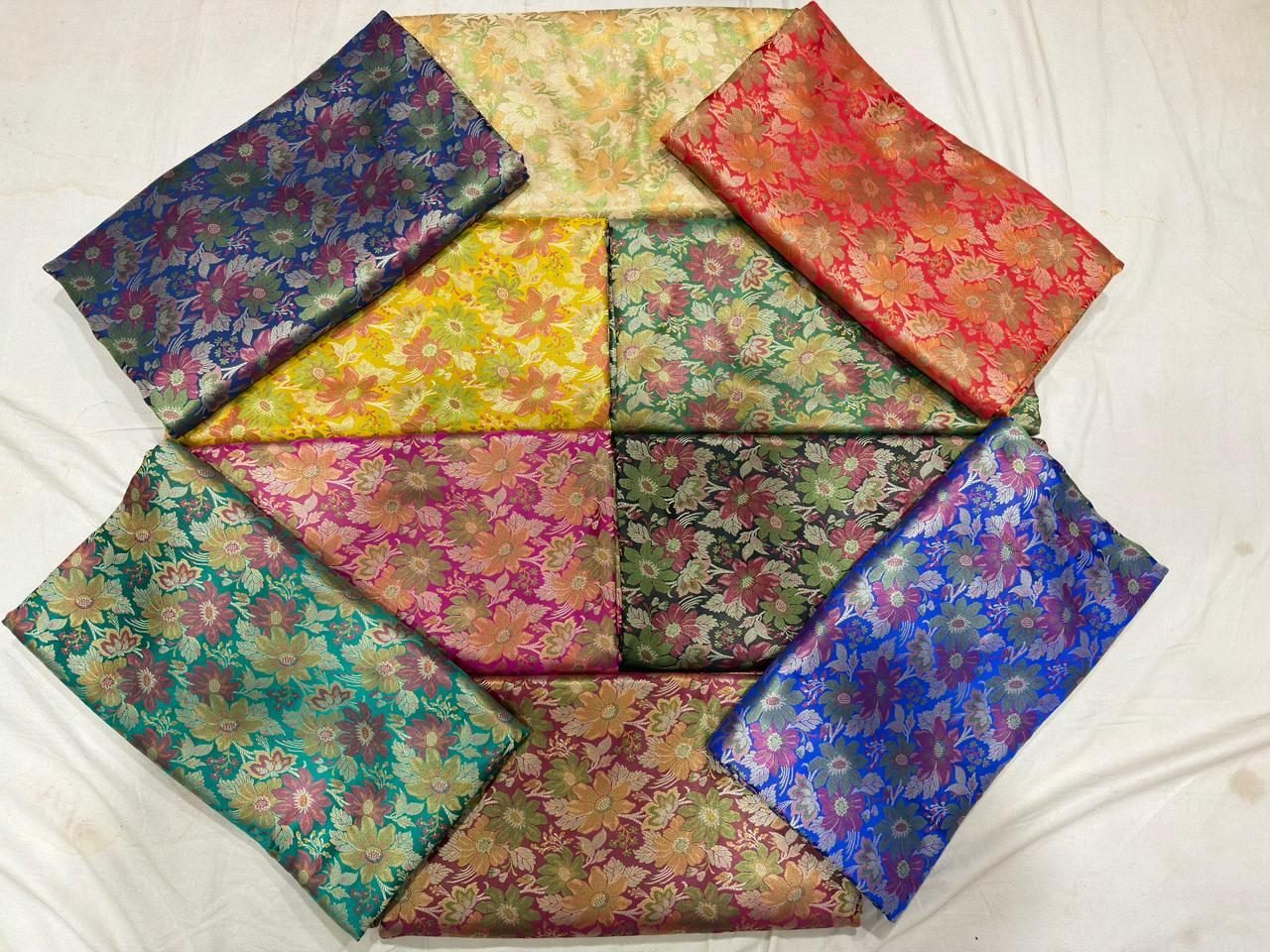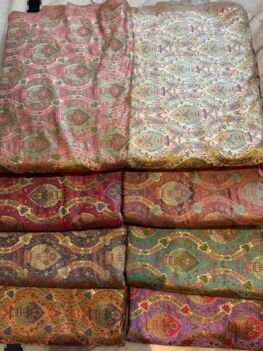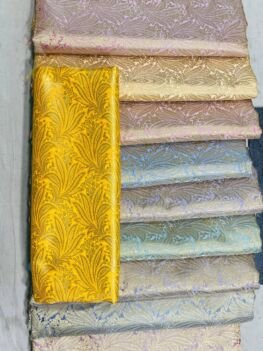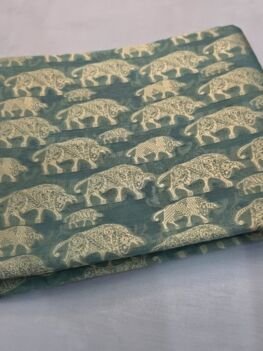
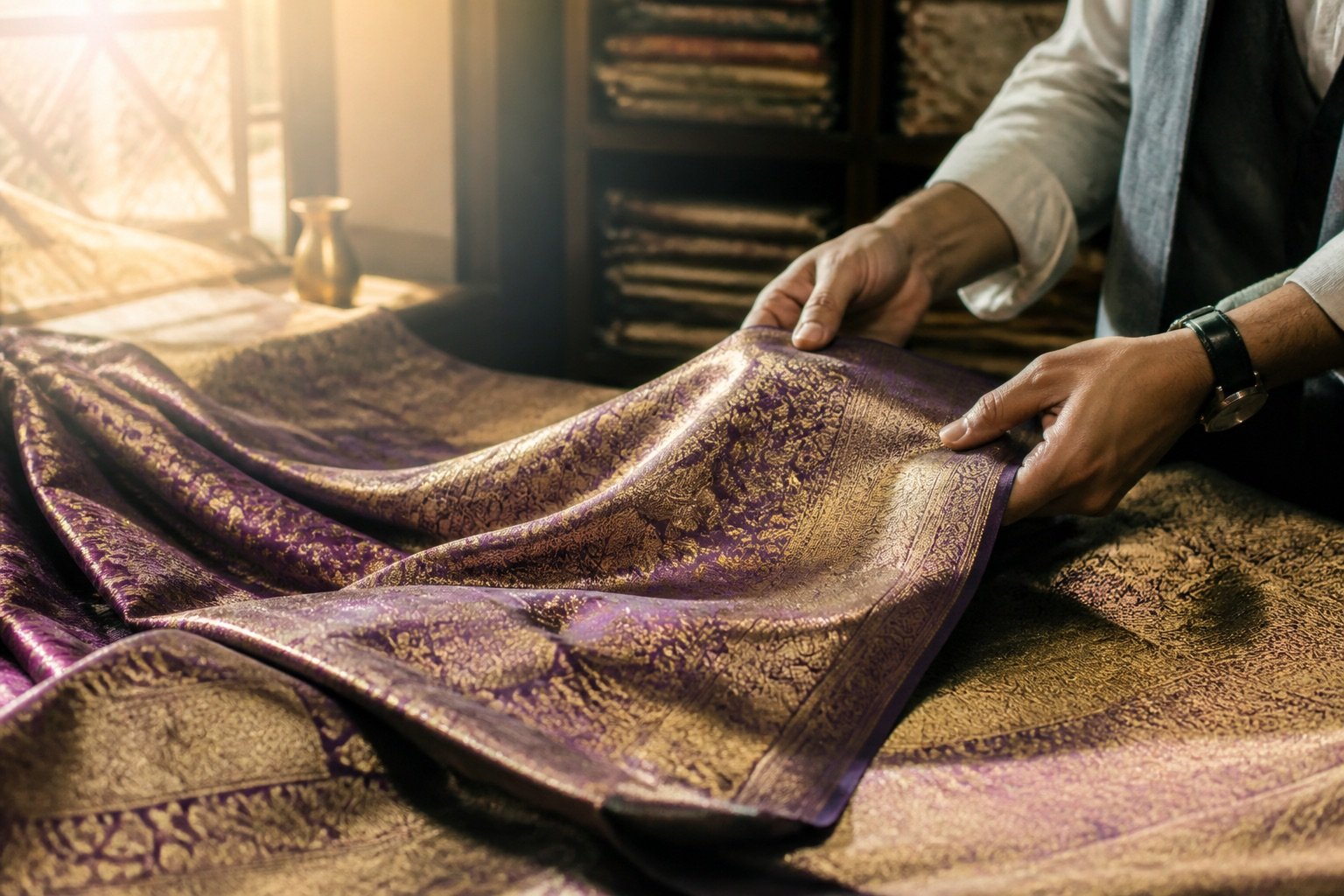
Want to identify pure Banarasi silk without myths? Skip viral burn tests as your only method. Ask for fibre names, feel the hand, study the weave, and buy from suppliers who answer clearly. KashiFab is based in Varanasi and prefers honest labels over theatre.
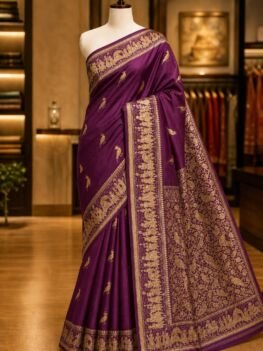
Supplier process: authentic silk fabric suppliers in Varanasi. Hub: Pages. If you are buying sarees, also read authentic Banarasi silk sarees for border and pallu cues that sit beside fibre talk.
Why burn tests mislead
Burn tests damage cloth and still confuse blends, finishes, and mixed yarns. They are a poor first tool for a saree or a length you care about. Use them only if you accept destruction of a scrap and still treat the result as one clue, not a verdict.
Better first tools: label, hand, weave, price reality, and a supplier who does not dodge questions. Social media shortcuts sell drama. Buying Banaras cloth needs patience and plain answers.
Label and fibre names
- Look for katan, tussar, mashru, brocade, kimkhab, or an honest blend note.
- Be wary of only "pure silk" with no further detail.
- Ask what the name means for hand and care on that piece.
- Write the answer down for reorders and tech packs.
Fabric deep-dives that train your eye: katan, raw and tussar, brocade. Learning the names once saves years of vague shopping.
Hand and weave cues
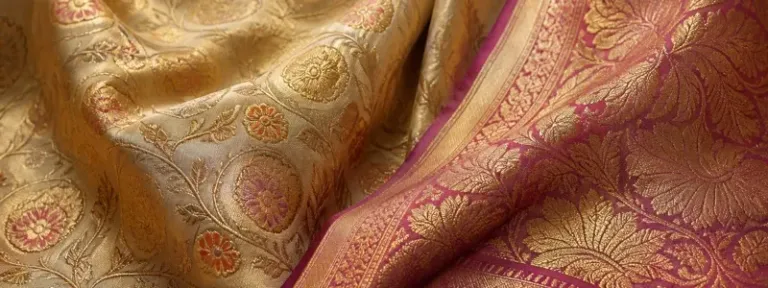
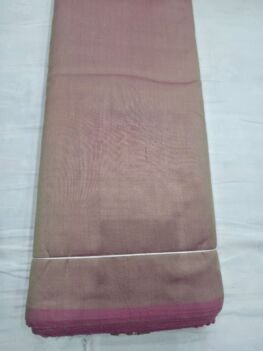
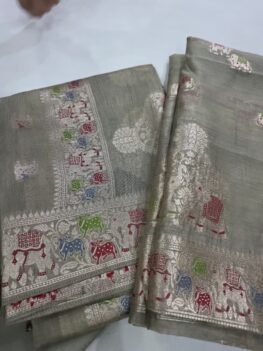
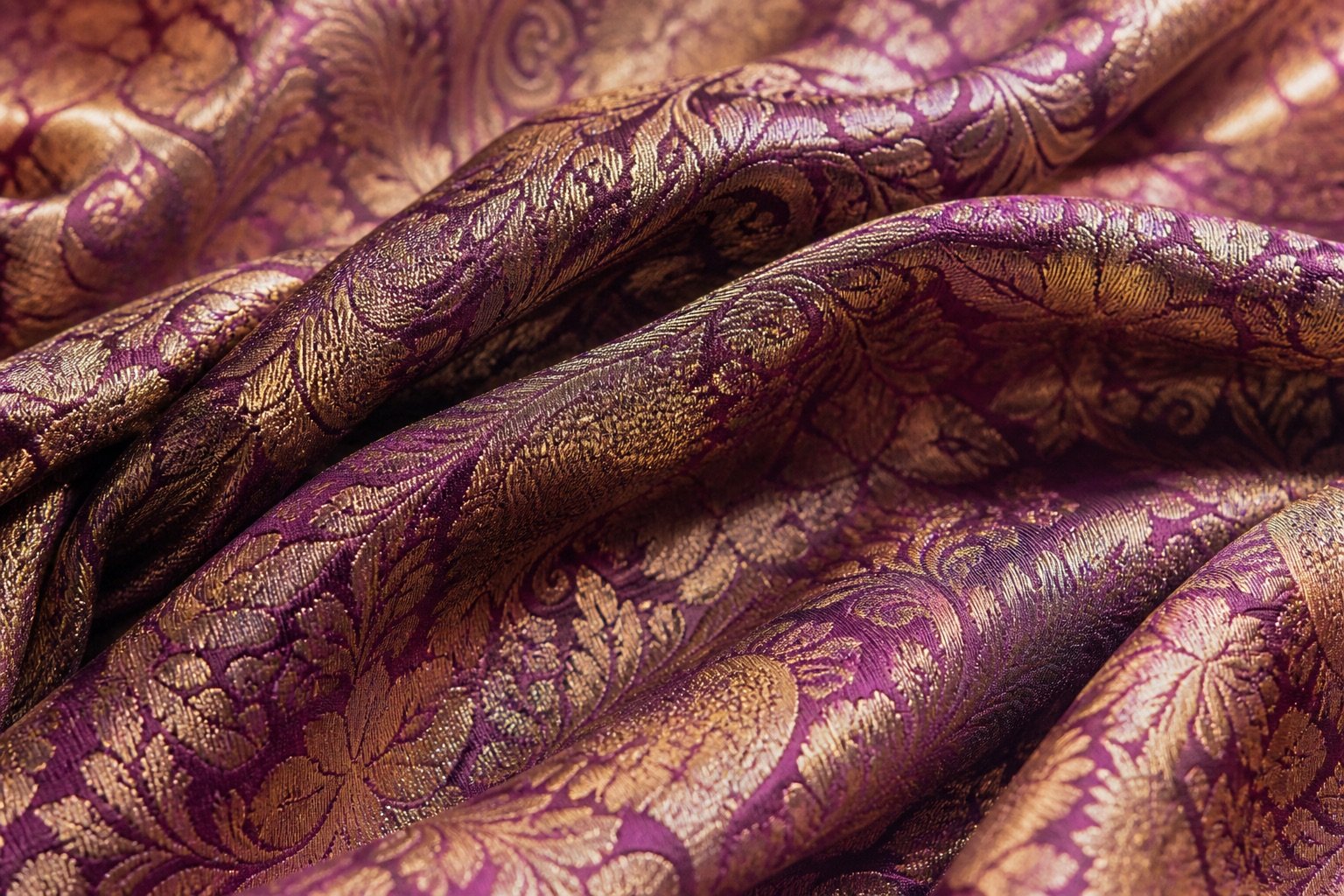
- Silk often has a live spring. Dead plastic shine can feel lifeless.
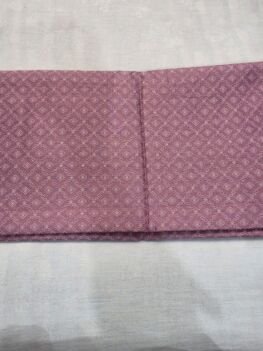
- Banaras borders and motifs on handloom pieces show craft variation.
- Reverse and face should make sense for the claimed construction.
- Zari density should match the stiffness you feel.
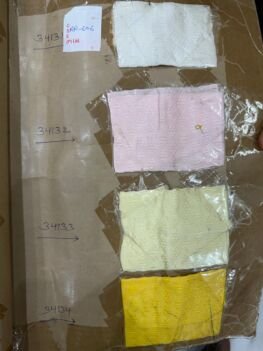
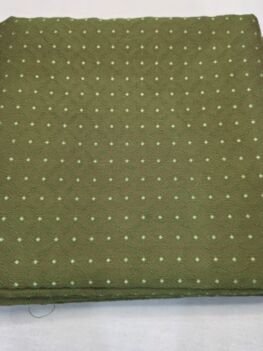
Compare two pieces side by side when you can. Relative hand teaches faster than memory of a single photo. Boutique buyers should keep a small approved sample swatch file so staff language stays consistent across seasons.
Price reality
Extremely cheap "pure katan" claims deserve questions. Craft, fibre, and time cost something. Low prices can still be fine for lighter constructions or blends when labelled honestly. Trouble starts when the claim and the price cannot both be true.
Ask what you are paying for: fibre, zari, labour, width, finishing. A clear breakdown beats a slogan.
Questions for suppliers
- What is the fibre called on this piece?
- What is usable width?
- Is there any blend?
- How should I clean and store it?
- Can I sample before bulk?
- What changes on reorder if dye lots shift?
More on process: how to order silk from Varanasi. Authentic silk fabric suppliers in Varanasi should welcome these questions, not rush past them.
Talk to us
Send a photo, fibre question, and end use. We will answer in plain shop-floor language, not catalogue adjectives.
Common questions
Is the burn test enough?
No. It can mislead and damage cloth. Use labels, hand, and a trusted supplier.
Do all Banarasi products use the same silk?
No. Katan, tussar, mashru, and blends serve different jobs.
How do authentic suppliers help?
They name fibre, width, and meters, and correct wrong assumptions early.
Can blends still be good quality?
Yes when labelled honestly for the use case.
What should boutiques ask before bulk?
Fibre, usable width, motif repeat, and care.
Where do I start buying?
Use Trade pages and Request a Quote with your brief, or shop listed sarees and fabrics.