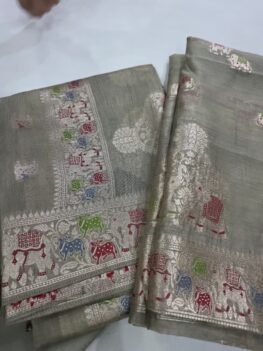

Knowing how to store Banarasi silk keeps colour and zari calmer between wears and between wholesale seasons. Dry air, clean wraps, and occasional refolding beat complicated gadgets. KashiFab packs and advises with Varanasi humidity in mind.
Related care: washing vs dry cleaning and the wider Pages hub. Storage mistakes often show up months later as set creases, dull colour, or a musty fold that no iron can politely fix.
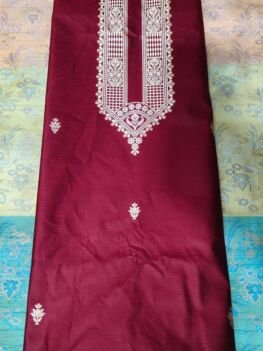
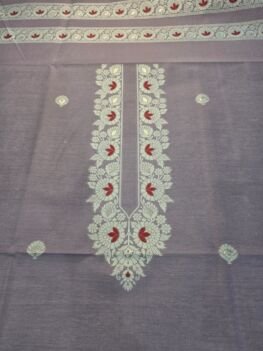
Saree storage
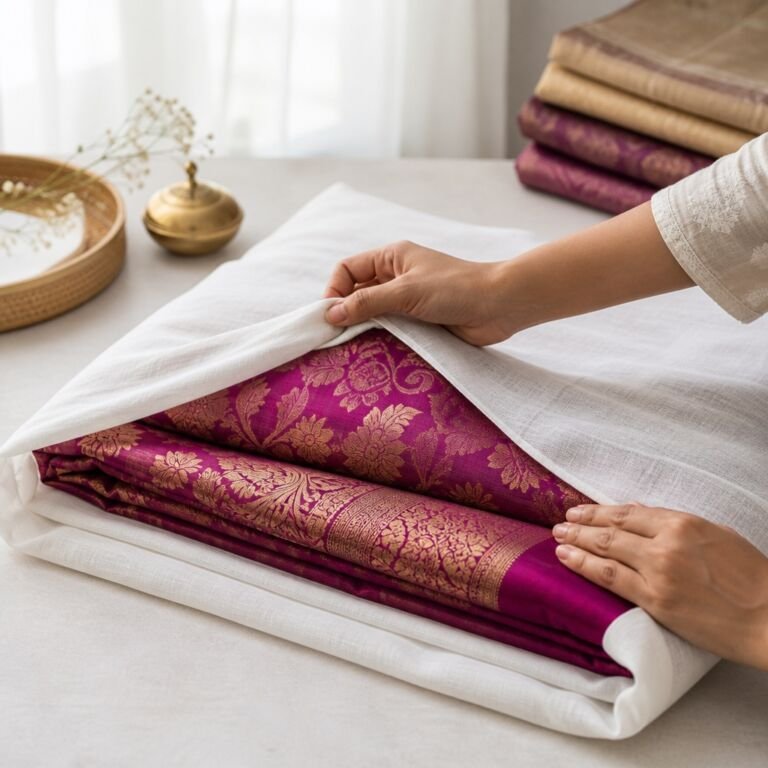
- Wrap in clean muslin or cotton, not plastic for long storage.
- Refold every few months so crease lines move.
- Keep away from damp walls and direct sun.
- Prefer folded storage for heavy pieces so hangers do not distort the pallu.
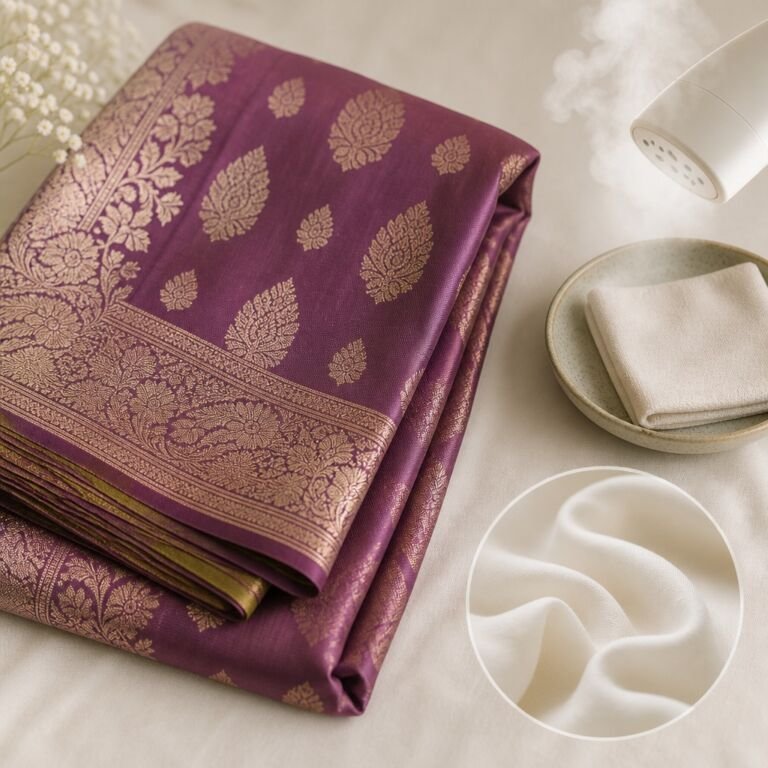
- Air briefly after dry cleaning before the cupboard.
Wedding tip: after the events, air the saree, check for spots, then store clean. Do not trap celebration damp in plastic.
Heirloom pieces deserve a dated note inside the wrap: fibre name, event year, and any cleaning already done. Future you will thank present you. Keep that note in pencil on card, not ink that can transfer if humidity rises.

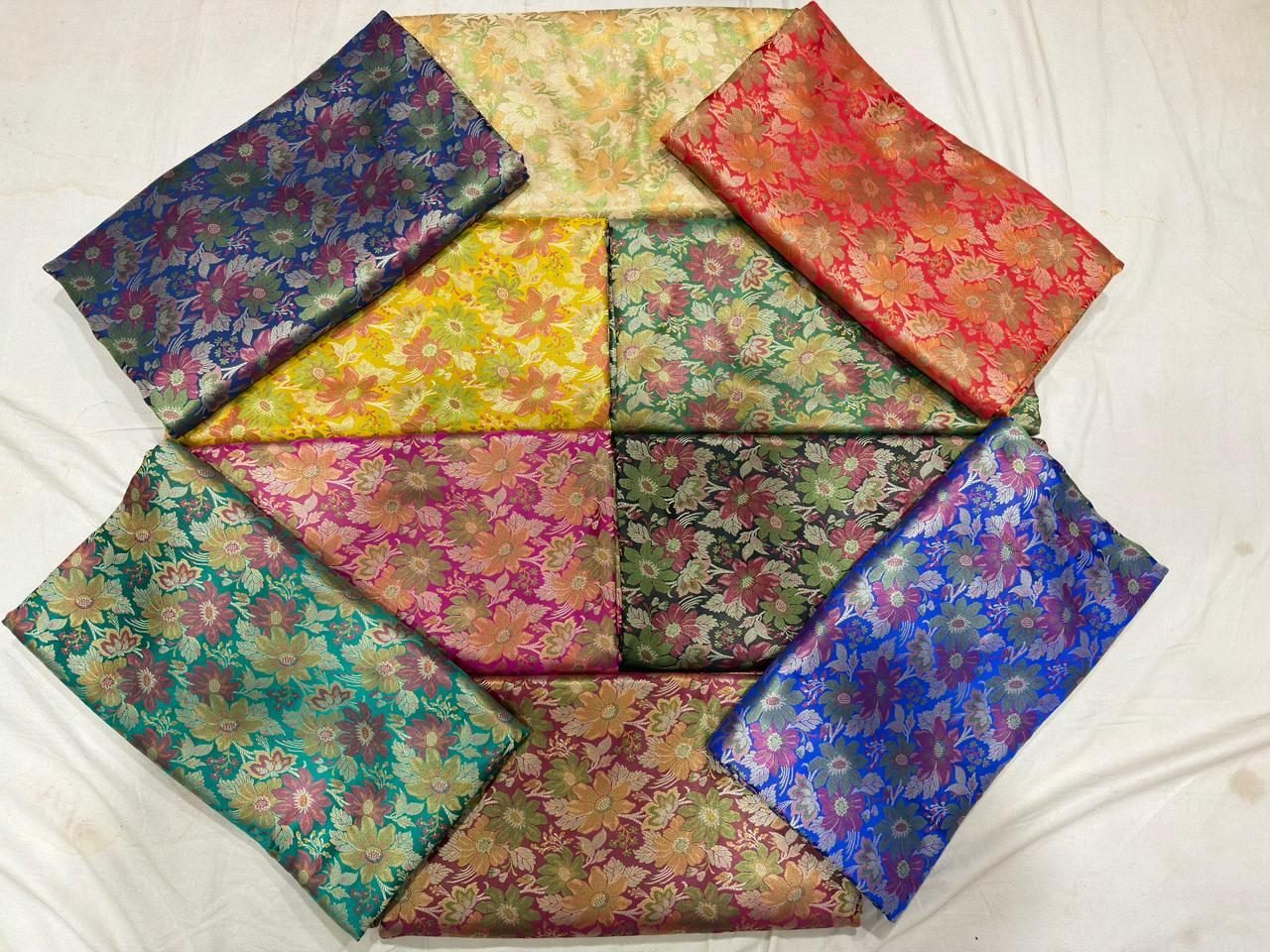
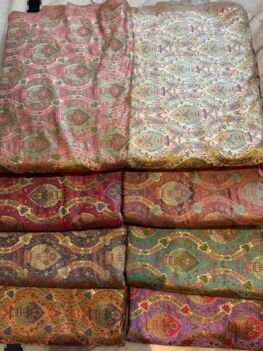
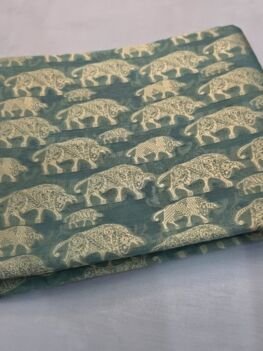
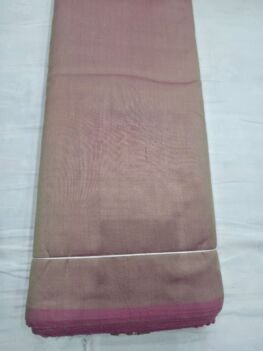
Fabric rolls for trade
- Keep rolls clean and off wet floors.
- Label fibre and meters on the outside.
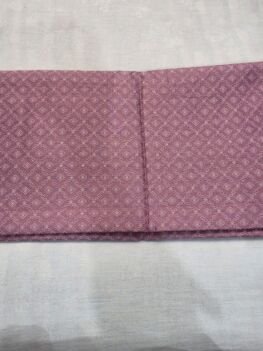
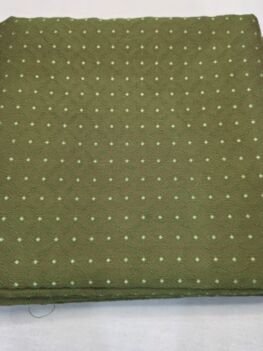
- For cut pieces, fold flat with clean tissue if storing long.
- Separate dense zari lots from soft day hands if crushing is a risk.
- Check stock rooms after monsoon spells.
- Rotate older rolls forward so nothing sits forgotten at the back.
Wholesale packing questions: wholesale Banarasi silk fabric or Request a Quote. Good storage is part of wholesale discipline, not only a home cupboard habit.
Humidity and monsoon
Damp cupboards are the quiet enemy. Silk needs to breathe. If your city has heavy monsoon weeks, inspect storage more often. Avoid sealing warm, humid cloth. Use dry shelves and airflow.
After a wet spell, open wraps briefly, check for musty smell, and re-dry the room before you close everything again. Waiting until festival season to discover damp damage is an expensive lesson. In coastal or monsoon-heavy cities, schedule a monthly cupboard check the same way you schedule other shop routines.
Refolding
Creases that sit for years become memory lines. Refold along new lines a few times a year. For richly worked pallu areas, support the fold rather than crushing motif under weight.
If a saree must travel between cities often, keep a dedicated muslin wrap and avoid stuffing it under hard objects. Travel folds can become permanent storage folds if you never reset them. For trade rolls, log meters remaining on the label each time you cut so the next person does not guess.
Questions about stock?
Ask how we pack rolls vs sarees for your city and season. Monsoon dispatch and dry-season dispatch are not identical packing problems.
Common questions
Can I store Banarasi sarees in vacuum bags?
Avoid long vacuum storage. Silk needs to breathe.
Is cedar safe?
Use caution with strong scents near silk. Clean and dry storage matters more.
How do wholesalers store rolls?
Cool, dry rooms, labelled rolls, and regular checks for humidity.
Should zari sarees be hung?
Prefer folded storage for heavy pieces so hangers do not distort the pallu.
What humidity is risky?
Damp monsoon cupboards. Use dry shelves and airflow.
Do you ship with packing advice?
Yes. Ask when you place a wholesale order.