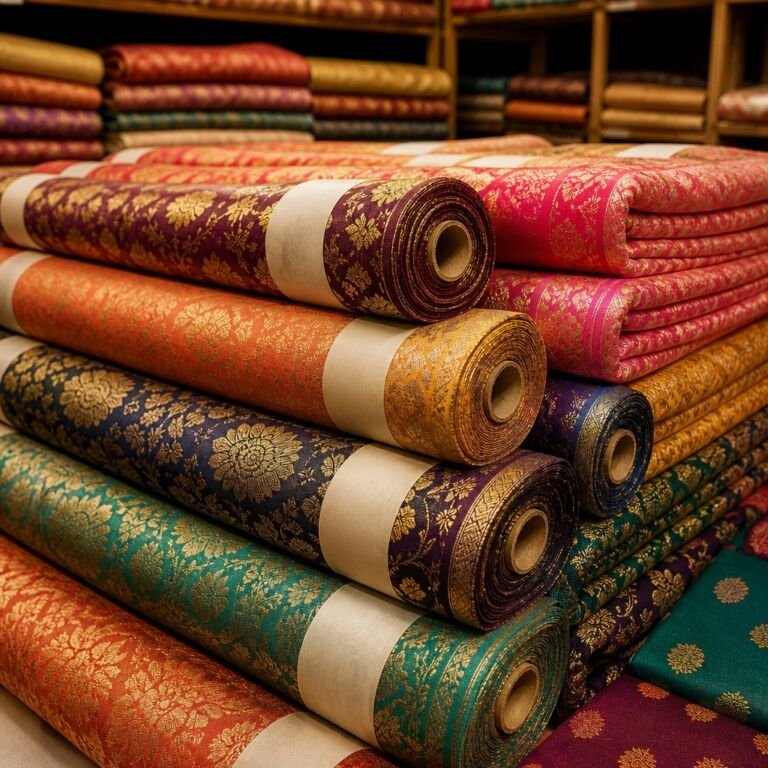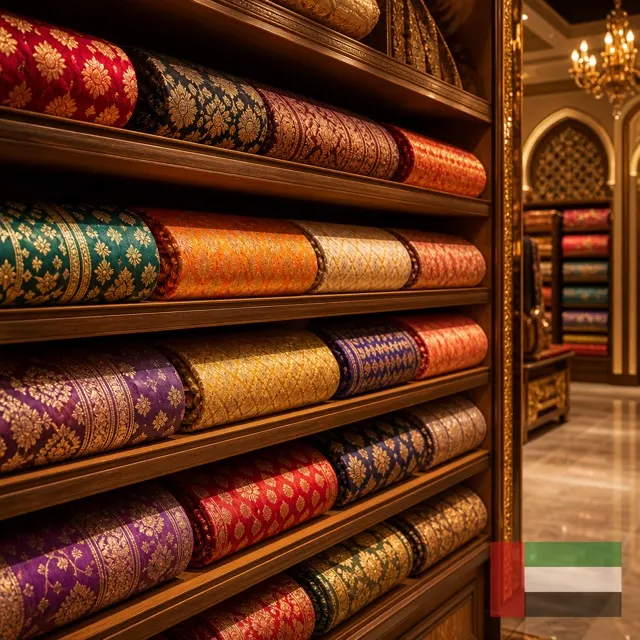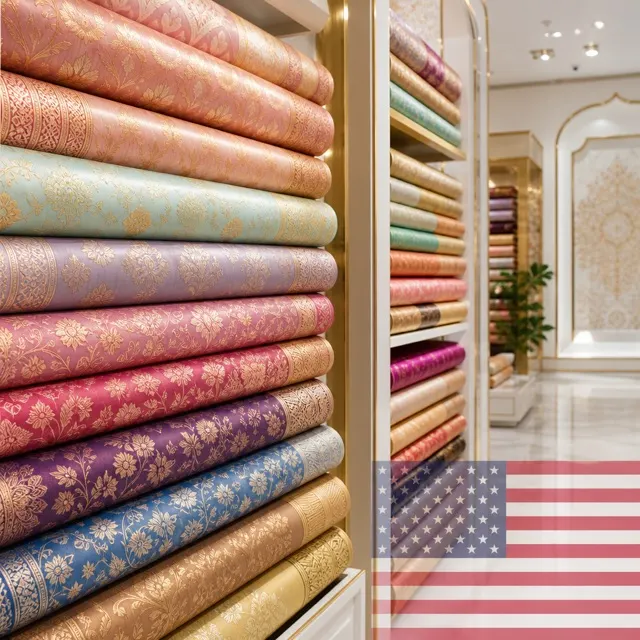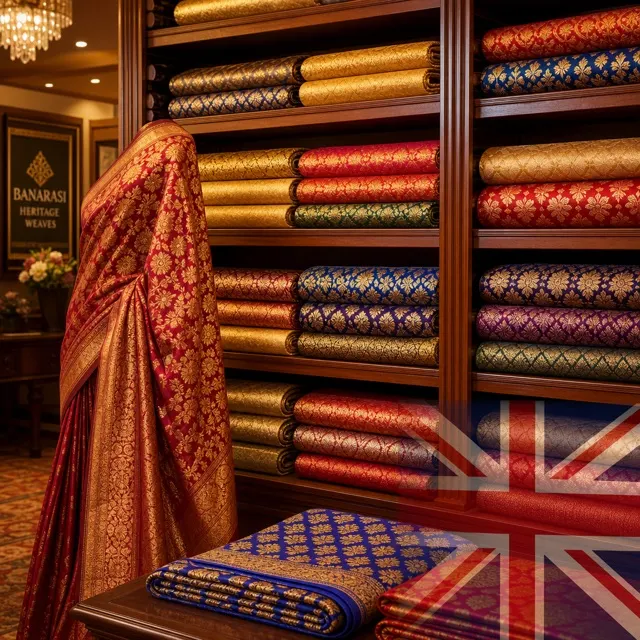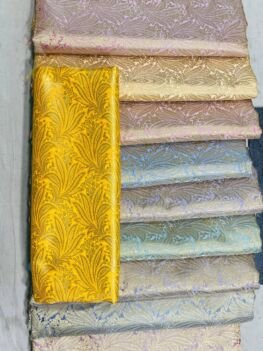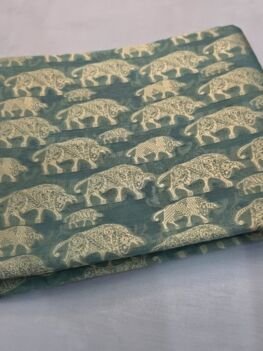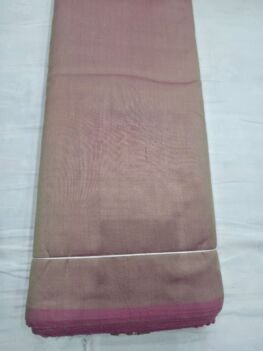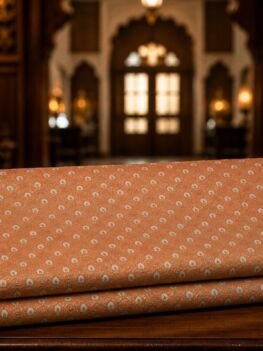
If you have been searching for silk fabric suppliers worldwide who actually weave in Varanasi - not someone forwarding catalogue photos from a third-party warehouse - you are in the right place. KashiFab is a manufacturer-led silk house based in the weaving lanes of Banaras. We handle everything from raw fibre selection and loom booking to labelling and export packing, so your order does not pass through three middlemen before it reaches you.
We work with importers, boutique owners, buying offices, and ethnic fashion brands across the USA, UK, Germany, the Gulf, Southeast Asia, and beyond. Whether you need 50 metres of pure katan silk for a capsule kurta line or a mixed container of brocade, sarees, and suit sets for your retail floor, the brief starts here.
This page walks you through what we manufacture, how ordering and shipping actually work, what buyers in different countries typically source, and - most importantly - how KashiFab can help you build a reliable Banaras supply line that does not fall apart after the first shipment.
Export desk
Business enquiry
What this page covers
- Who should use this page
- Why buy from a Banaras manufacturer
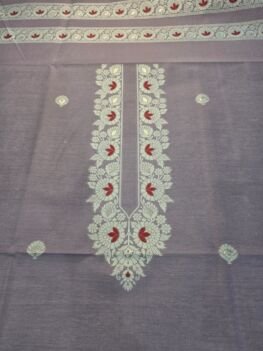
- Silk types and finished products we supply
- Order processing, delivery time, and MOQs
- Countries table by silk import strength
- Preferred silk fabric country-wise
- Terms of export and payment
- Shipping, packing, and documents
- Sampling and quality checks
- How KashiFab helps you build a supply line
- Country-specific buyer guides
- Testimonials
- RFQ checklist and CTAs
Who this page is for
If you import or wholesale Indian silk into your market, you already know the frustration: beautiful photos online, vague answers when you ask about fibre composition, and lead times that change after you have paid. This page is built for people who need a supplier that speaks in specifics — fibre names, widths, GSM ranges, packing labels, and honest delivery windows.
- Importers and distributors who stock Banarasi silk fabric and finished ethnicwear for retail or wholesale in their country. You need MOQs, consistent quality across reorders, and packing that your warehouse can sort without opening every carton.
- Boutique and brand buyers planning seasonal capsules or wedding collections. You want to sample before committing to bulk, and you want the same hand and colour when you reorder for season two.
- Wholesalers of sarees, suit sets, and ethnicwear who need repeatable SKUs with fibre-accurate labels. Your retail buyers hold you accountable for what the tag says.
- Buying offices and sourcing agents who manage mixed briefs — some metres of fabric, some finished pieces — and want a single Varanasi source instead of juggling five vendors for one season.
- First-time export buyers testing Indian silk for a new market. You want a trial order with a clear MOQ, transparent pricing, and a shipping path that does not require guesswork.
One thing we have learned: the orders that go smoothly are the ones where destination, fibre names, metres (or piece counts), packing preferences, and timeline are written down in one brief. Screenshots of a mood board are helpful for direction — but they are not a purchase order.
Why worldwide buyers choose a Banaras silk manufacturer
Varanasi (Banaras) is where Banarasi silk actually gets woven — the weaving clusters, the handloom pits, the zari workshops. When you buy from a manufacturer based here, you skip the reseller chain that adds cost and loses detail about what the cloth actually is.
Here is what that means in practice for an overseas buyer:
- You get honest fibre names. We call katan what the loom floor calls katan. Same for raw silk, tussar, matka, moonga, mashru, brocade, kimkhab, and tissue. No vague "Banarasi silk" label that hides what you are actually getting.
- One house covers your entire brief. Fabric metres and finished sarees, suits, and ethnicwear can sit in one program. You do not need five vendors for one season.
- Sampling before bulk protects your margin. A short sample length at the start costs very little compared to receiving 200 metres in the wrong colour or zari weight.
- Export packing is part of the job. Outside labels with fibre name, colour, metres, and your PO reference — so your warehouse team can sort without tearing open every inner pack.
- Reorder memory matters. We keep SKU notes from your first shipment. Season two does not start from scratch.
Related reading: authentic silk fabric suppliers in Varanasi, Banaras silk fabric house, Indian silk suppliers worldwide.
Silk types we manufacture and finished products we supply
Every silk has a character — a hand, a weight, a drape, a way it catches light. The right choice depends on what your customer will use it for: a structured wedding kurta, a flowing evening dupatta, a ceremony saree, a boutique jacket. Here is what we weave and supply, with enough detail to help you brief us clearly.
Silk fabric metres
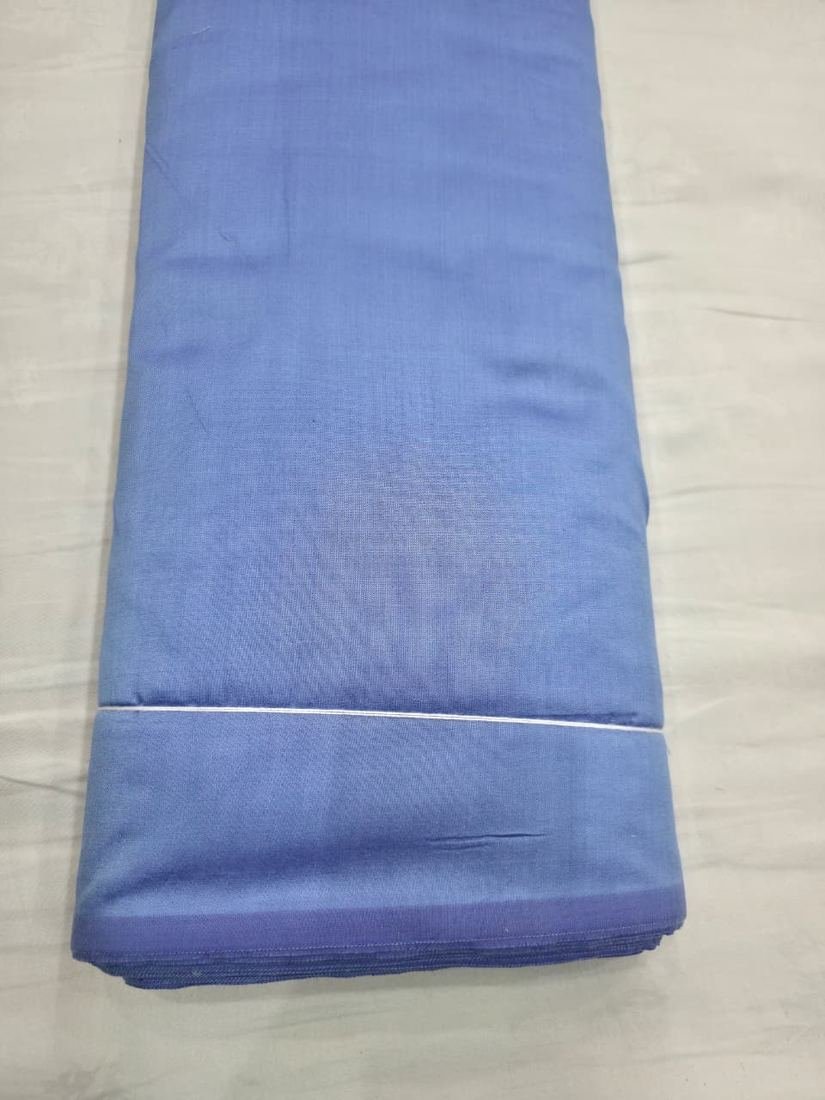
Pure Katan
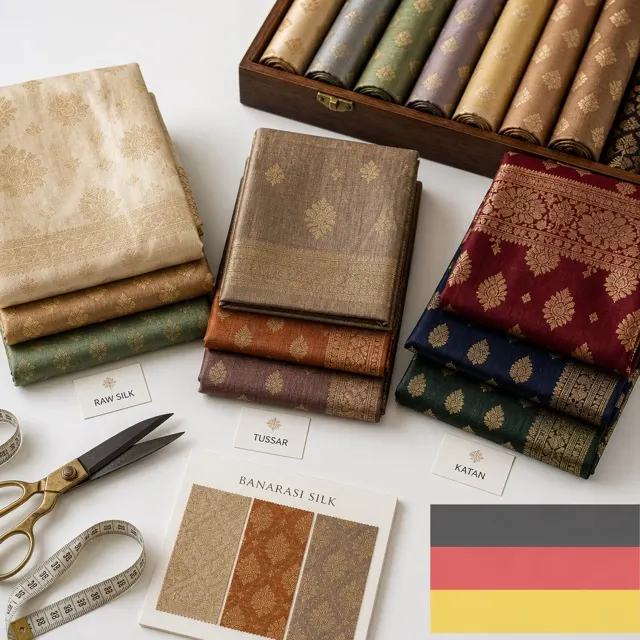
The gold standard of Banarasi silk. Firm body, bright lustre, holds structure in kurtas, sherwanis, and jackets without going limp after a few hours. This is what most overseas buyers ask for first when they want "real Banarasi." Woven with pure silk warp and weft — no blending.
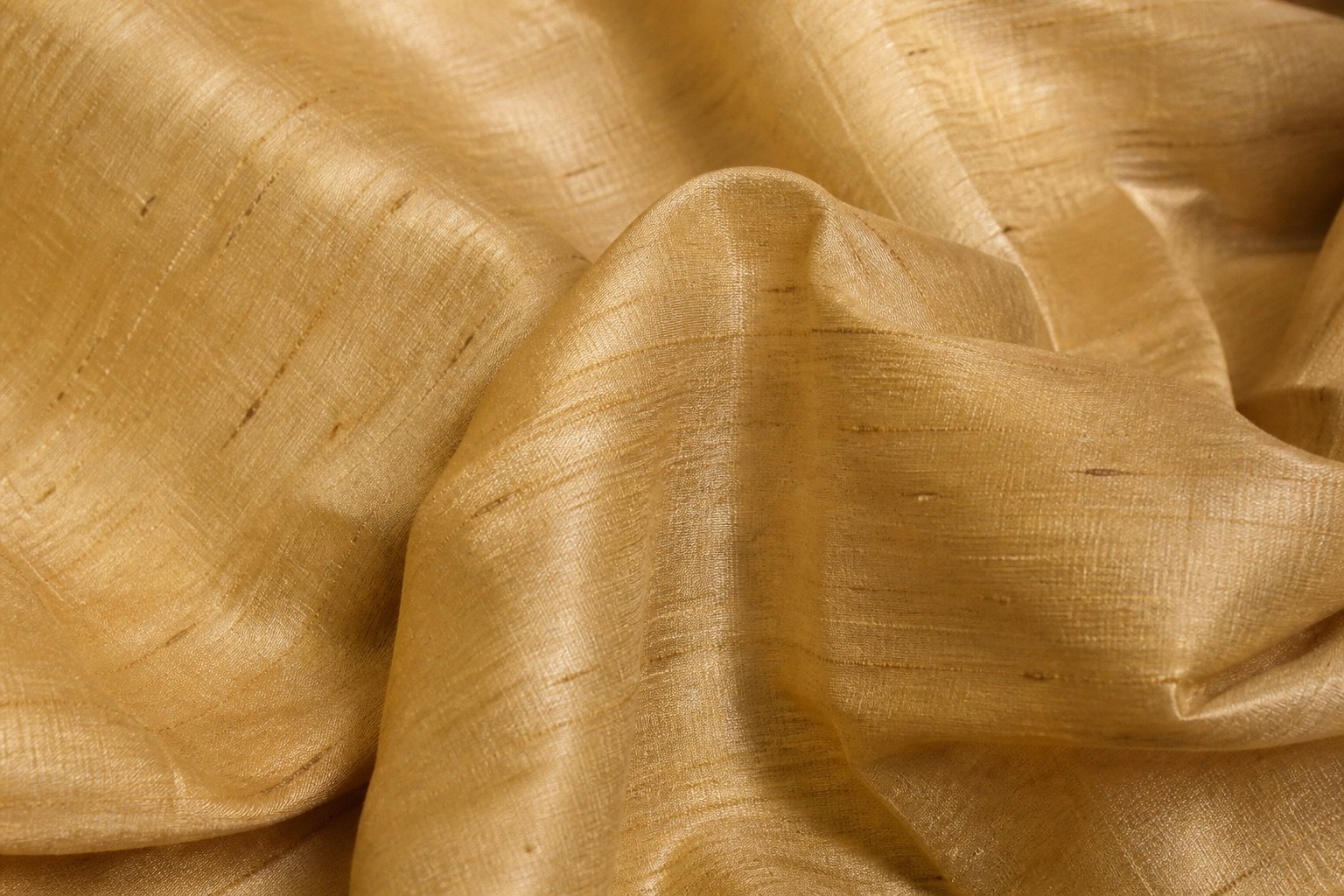
Raw Silk & Tussar
Quieter, textured silks with natural slubs and a matte finish. Breathable for day wear, fusion ethnic, and warm-weather markets. Tussar has a signature golden-cream base tone that dyes beautifully into earthy palettes. Ideal for buyers who want Indian silk without heavy ornamentation.
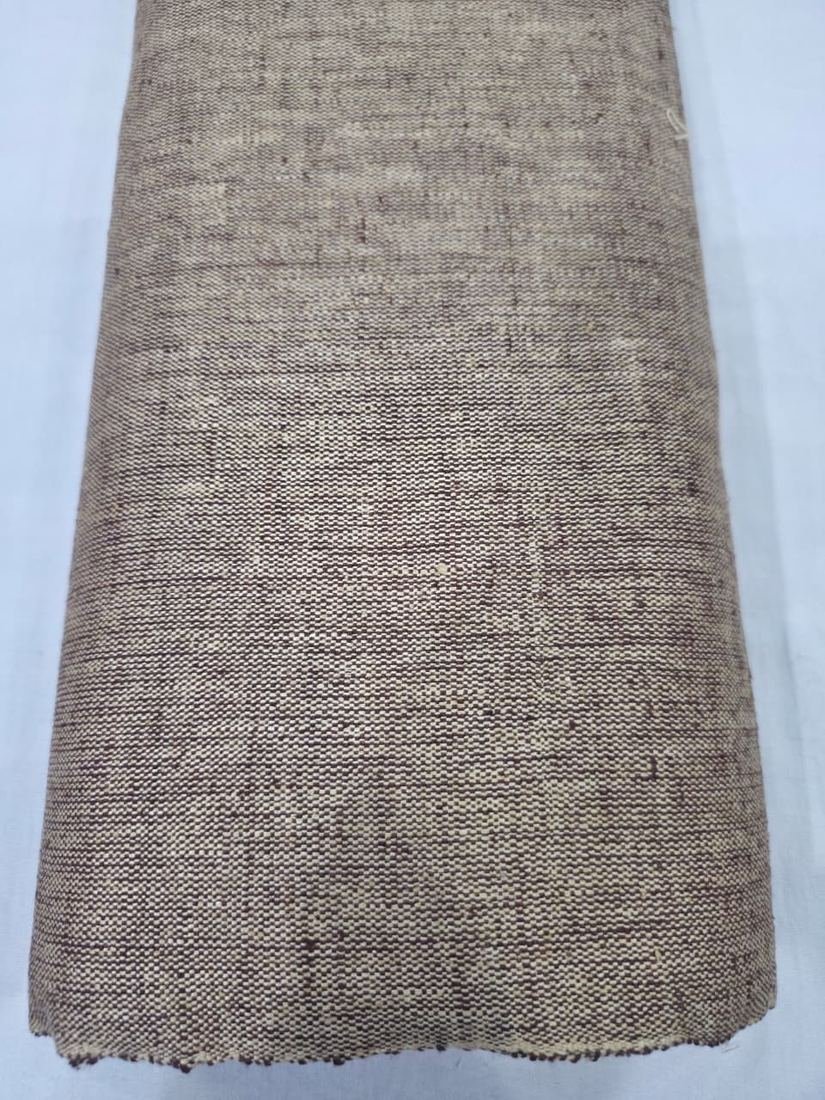
Matka & Moonga
Character-rich silks with a slightly coarse, handspun texture. Matka works brilliantly for men's suiting and structured kurtas. Moonga (muga) brings a warm golden sheen that deepens with age. Both are favourites for designers building distinctive ethnic collections that stand apart from mass-produced poly silk.
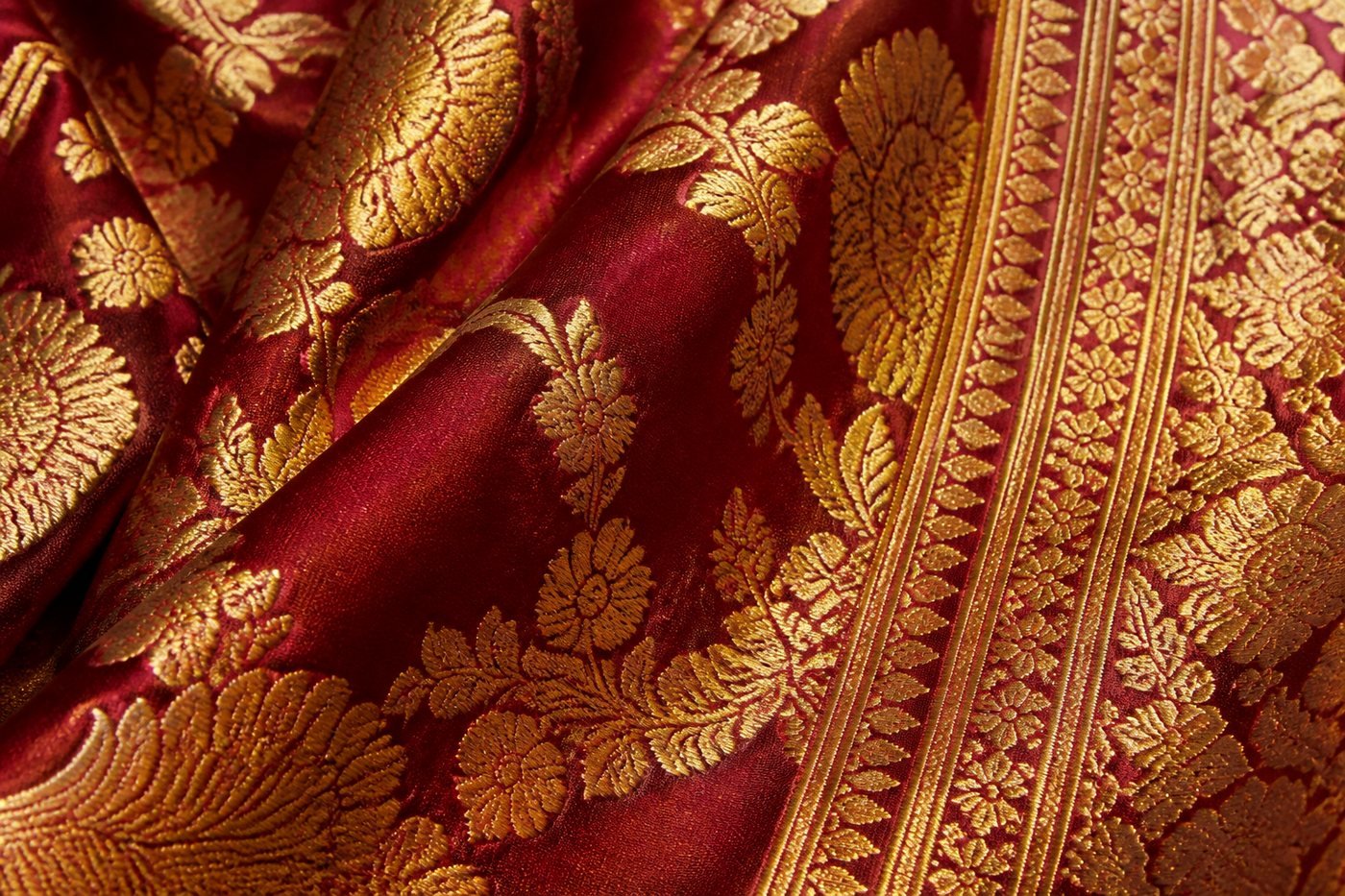
Brocade & Kimkhab
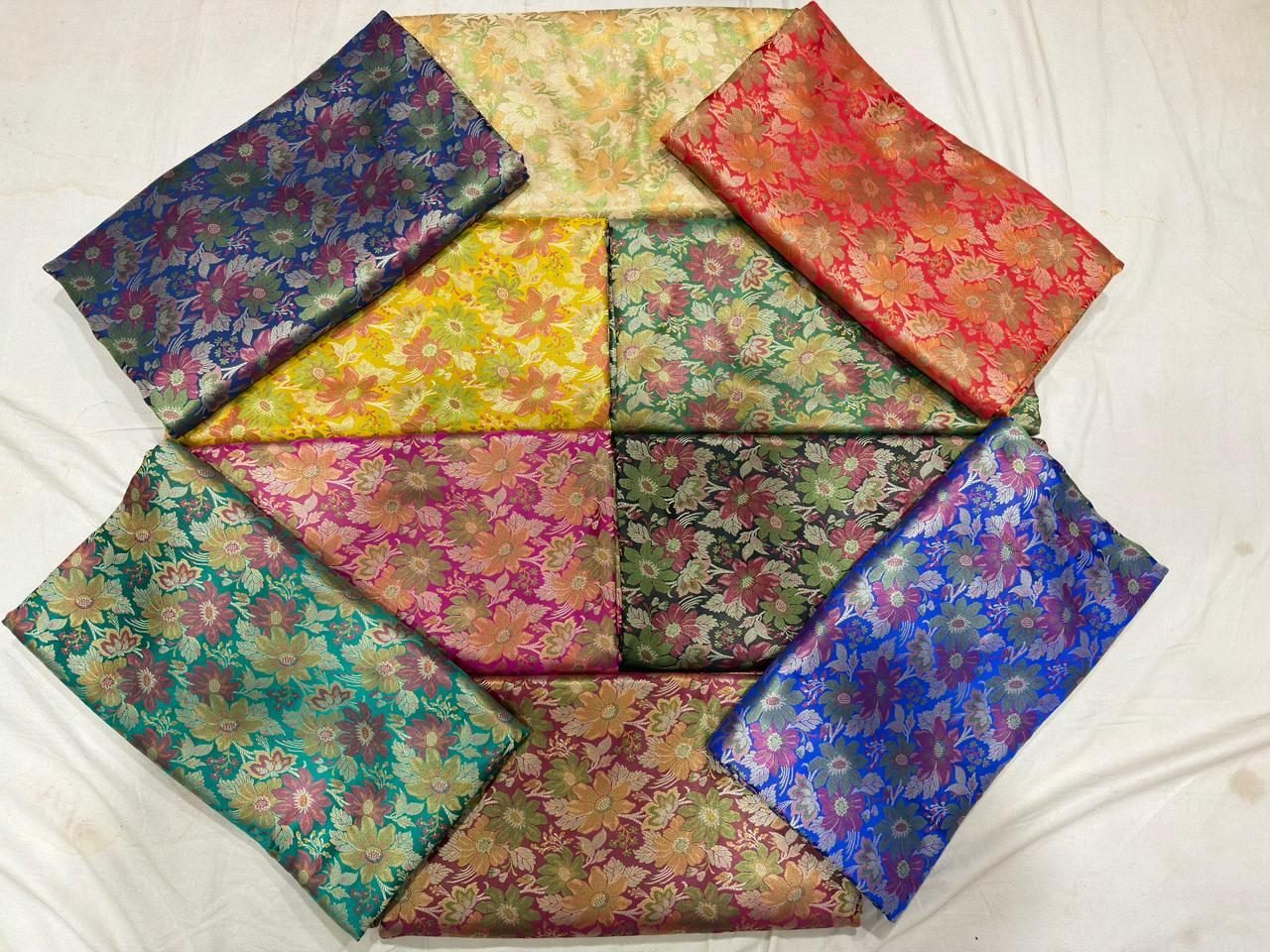
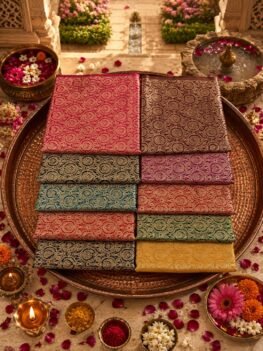
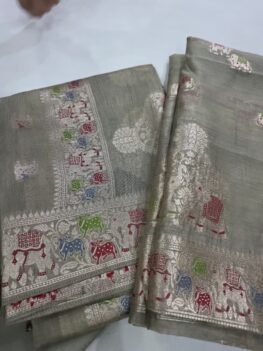
The heavy-hitters of Banarasi weaving. Dense zari work, rich colour depth, and the kind of weight that makes a wedding lehenga or Gulf ceremony outfit hold its shape on a hanger. Kimkhab is the most zari-forward of all — sometimes more gold than silk. This is what UAE and Saudi buyers often want for ceremony stock.
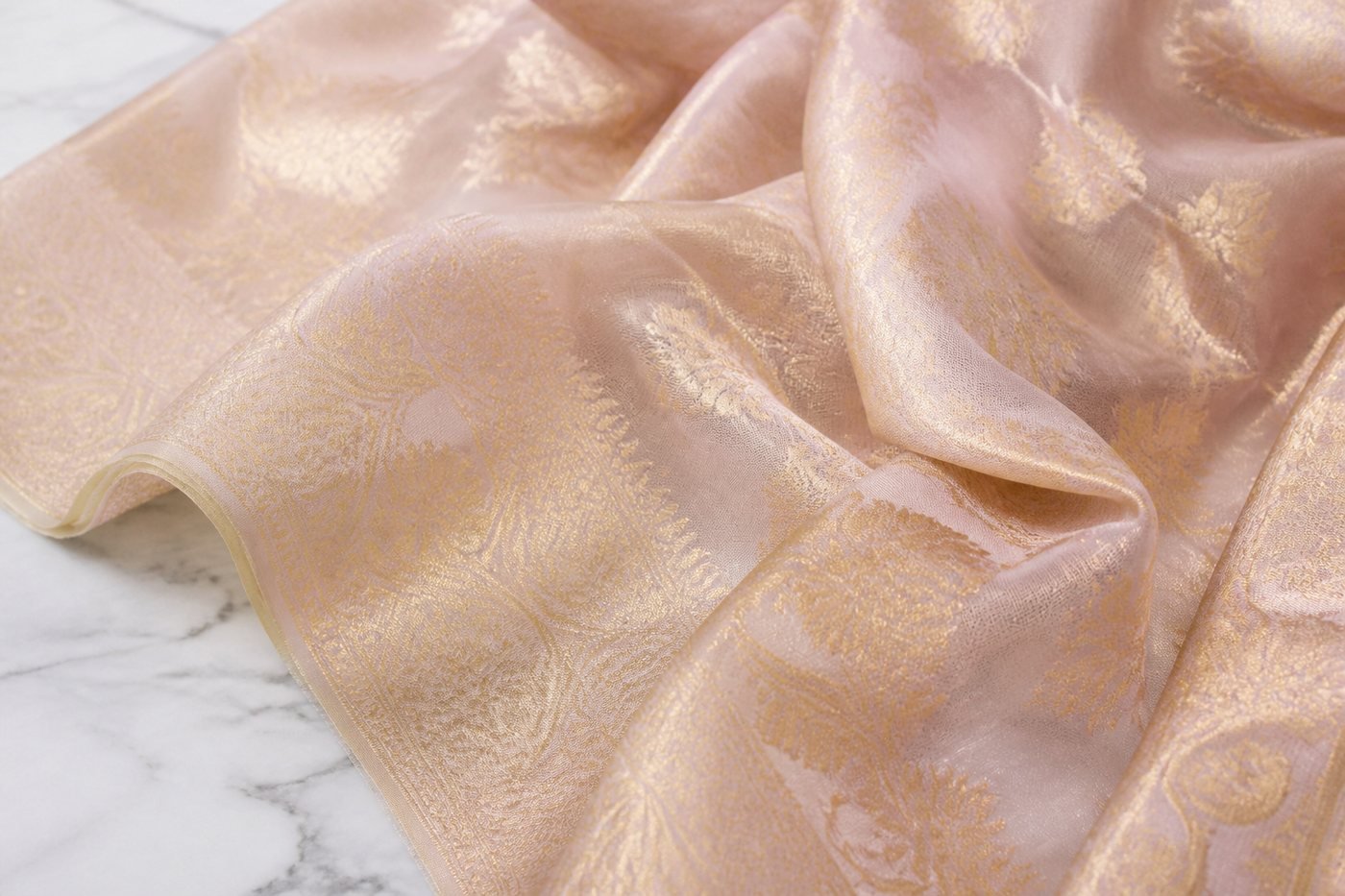
Tissue, Soft Silk & Zari-forward Cloth
Lighter options when the brief calls for float and shimmer rather than structure. Tissue catches light beautifully for dupattas and drape-heavy garments. Soft silk is what many boutiques ask for when their customers want "silk feel" without the stiffness of katan. Great for festive collections in humid climates like Southeast Asia.
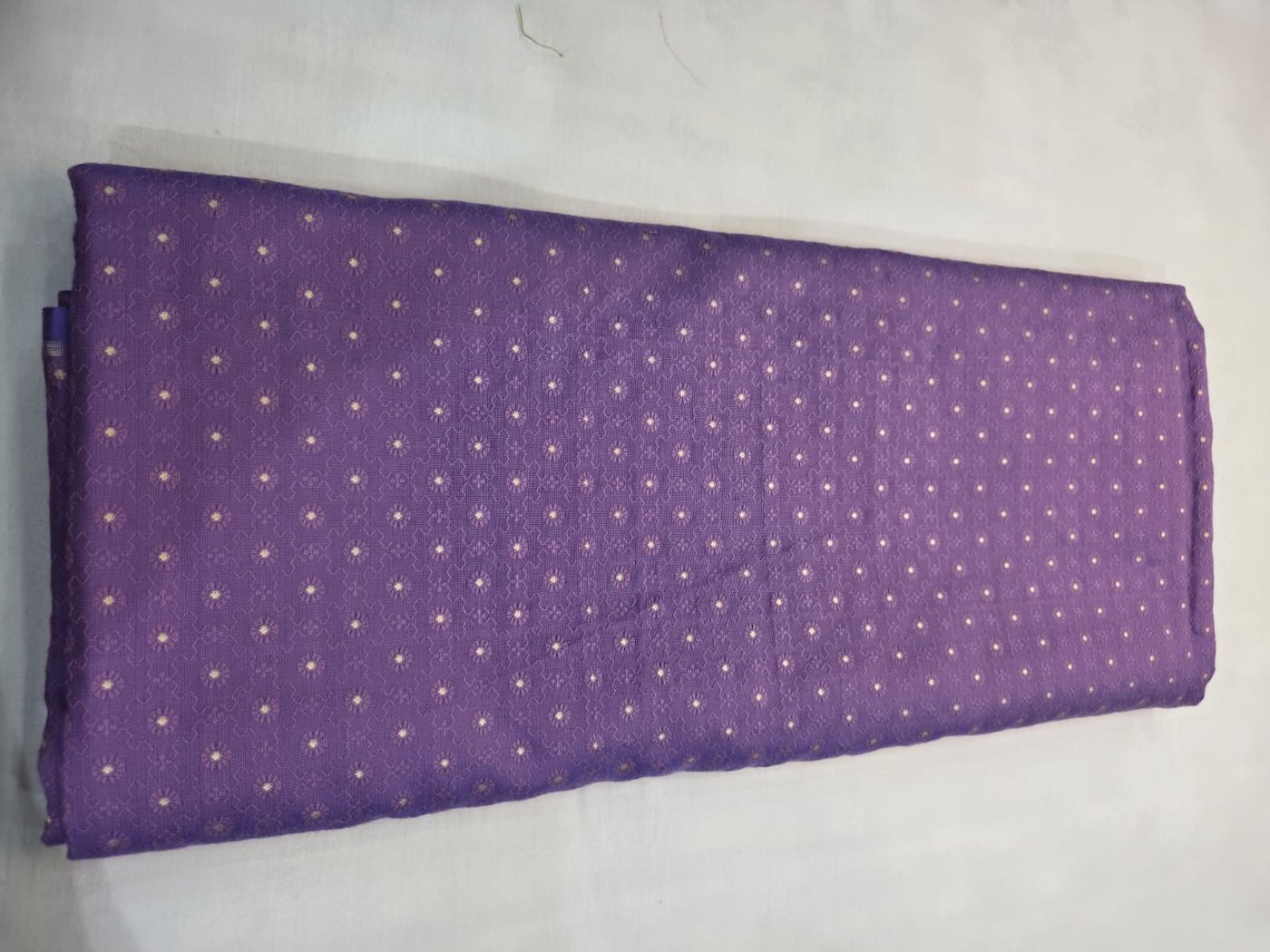
Mashru
A comfort-led silk-cotton weave with silk on the outside and cotton against the skin. Originally designed for warmer climates, mashru is making a comeback in contemporary ethnic lines. Softer drape than katan, easier care, and a price point that lets you build deeper colour stories without budget anxiety.
Explore fibre details on Silk Categories. Planning kurta fabric? Start at Silk Fabric for Kurta. Compare silk types: Katan vs Raw Silk vs Brocade | Pure Silk vs Art Silk | Kimkhab vs Brocade vs Jacquard.
Finished and ready assortments
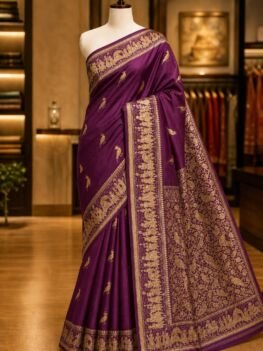
- Sarees — Banarasi sarees for retail hangers and wholesale packs. From wedding collections to mashru and soft silk sarees for everyday occasions.
- Suits and women's wear — fabric-led and ready assortments for ethnic, wedding, and boutique lines. Share your size curve and we build accordingly.
- Men's wear cloth and sets — kurta and set-ready silks with firm or day hands. Tell us what your tailor cuts best and we match the fibre.
- Mixed programs — metres plus hangers in one shipment when your warehouse can receive both. One invoice, one tracking, one vendor relationship.
Trade metres path: wholesale Banarasi silk fabric.
Sample Banarasi silk before your export brief
Shortlist retail-ready pieces, then message WhatsApp or the quote form with country, meters, and target month.
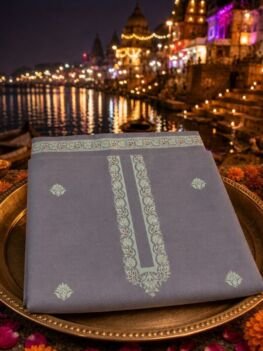
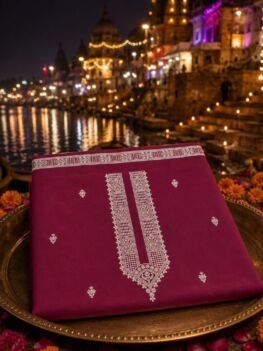
Cotton Weave Kurta Fabric - CHO 06
₹1,260 / Piece
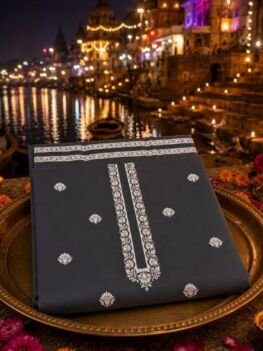
Cotton Weave Kurta Fabric - CHO 18
₹1,260 / Piece
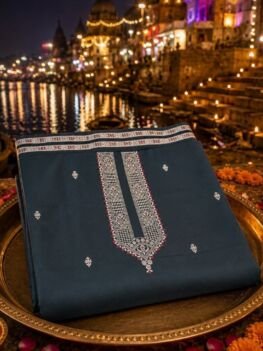
Cotton Weave Kurta Fabric - CHO 17
₹1,260 / Piece
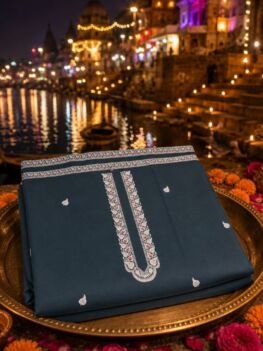
Cotton Weave Kurta Fabric - CHO 16
₹1,260 / Piece

Cotton Weave Kurta Fabric - CHO 15
₹1,260 / Piece
Cotton Weave Kurta Fabric - CHO 14
₹1,260 / Piece
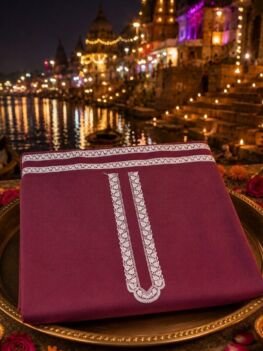
Cotton Weave Kurta Fabric - CHO 13
₹1,260 / Piece
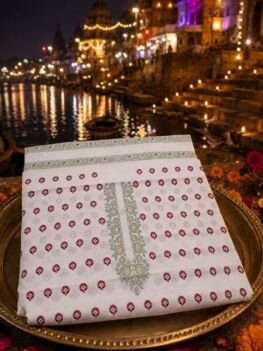
Cotton Weave Kurta Fabric - CHO 12
₹1,260 / Piece
Order processing time, delivery time, and MOQs
We get this question in almost every first conversation: "How long will it take and how much do I need to order?" The honest answer is that it depends — on whether you are buying from running stock or booking a custom weave, how many colours you want, and whether you are shipping by air or sea. But here are the practical windows that most buyers plan around.
Sampling
Often 3 to 7 working days after payment for swatches or short sample metres from running stock. Custom colour or weave samples take longer — we will tell you upfront.
Order processing
Stock-led bulk: often 7 to 14 working days. Custom weave or large colour stories: often 15 to 30 working days after deposit and locked specs.
Air / courier delivery
After dispatch, many routes feel like 5 to 12 days door-to-door depending on destination, carrier, and customs clearance at your end.
Sea / economy freight
Often 25 to 45+ days after dispatch for larger cartons. Makes sense when volume outweighs speed and your calendar has buffer.
What happens after you confirm an order
- Brief lock — we finalise country, product mix, silk types, colours, metres or pieces, packing, and Incoterm. Nothing moves to the loom floor until this is clear.
- Deposit / booking — sampling fee or bulk advance as agreed on the quote. We confirm the production calendar once payment is received.
- Production or stock pull — loom booking for custom weaves, or stock pull and colour-matching for running hands.
- QC and labelling — metres check, piece count, fibre and colour labels, PO reference on outer packs. We photograph the packed lot before dispatch if you want visual confirmation.
- Dispatch — courier, air freight, or sea as booked. Tracking shared as soon as the carrier provides it.
- Reorder notes — we file your SKU sheet from shipment one. Season two starts from a known baseline, not a blank page.
MOQ table (typical starting points)
| Order type | Typical starting MOQ | What changes the number | Buyer tip |
|---|---|---|---|
| Fabric metres (running stock) | About 25 to 50 metres per colour | Silk type, season, colour exclusivity | Fewer colours with enough metres beat many thin scraps — your tailor will thank you |
| Custom weave / special colour | Higher, set per loom plan | Width, zari weight, design repeat | Lock width and hand on a sample before loom booking — changes after booking are expensive |
| Sarees / finished hangers | About 5 to 10 pieces per design (assortments vary) | Design depth, colour mix, season peak | Ask for mixed colour packs when stock allows — it reduces dead-stock risk |
| Suit / women's wear assortments | Confirmed per program | Size run, fabric story, delivery month | Share size curve with the first brief so we can cut efficiently |
| Men's wear / kurta programs | Confirmed per program | Hand (firm vs day), colour count | Align fibre name with your tailor's cut plan — a firm katan cuts differently from a soft silk |
| Mixed fabric + finished lot | Sum of workable lines | Warehouse receiving capacity | Tell us if rolls and hangers ship together or split — it affects carton planning |
MOQs are not a single fixed number for every silk type and season. Send us your destination, product mix, and first-order size. We reply with a workable starting point — on WhatsApp or the quote form.
Countries list by silk import strength (table)
Buyers often ask us which markets pull the most Indian silk. The table below follows recent public rankings of India's silk export destinations (silk yarn, fabrics, made-ups, garments, and related silk products). Rankings shift year to year — treat this as a buyer map for planning your Banaras supply, not as a customs filing.
| Rank | Country / market | Region | What buyers usually source | Preferred Banaras silk types | Typical shipping note |
|---|---|---|---|---|---|
| 1 | United Arab Emirates | Middle East | Fabrics, made-ups, ceremony stock; strong redistribution hub | Brocade, kimkhab, katan, rich saree stories | Air for season peaks; sea when cartons grow |
| 2 | United States | North America | Garments, fabric metres for boutiques and diaspora retail | Katan, soft silk, brocade, kurta-ready metres | Courier/air common for first fills |
| 3 | China | East Asia | Trade and manufacturing-linked silk demand | Named fibre metres; brief width and hand carefully | Confirm docs and fibre labels early |
| 4 | Italy | Europe | Workshop and brand cloth with hand and drape focus | Raw, tussar, refined katan, controlled zari weight | Sample metres before bulk |
| 5 | United Kingdom | Europe | Wedding, occasion, and designer capsules | Banarasi sarees, katan, brocade, suit fabrics | Air ahead of wedding weekends |
| 6 | France | Europe | Design-led ethnic and fusion lines | Soft silk, tissue, refined brocade | Spec and colour lock important |
| 7 | Singapore | Southeast Asia | Regional retail and boutique replenishment | Katan, mashru, occasion brocade | Fast replenishment habits |
| 8 | Australia | Oceania | Breathable day silk plus festive Banaras pieces | Raw, tussar, soft silk, lighter katan | Plan longer transit buffers |
| 9 | Germany | Europe | Spec-led trade and atelier metres | Clear-labelled katan, raw, mashru | Sampling and written specs first |
| 10 | Nepal | South Asia | Cross-border ethnicwear and fabric trade | Running Banarasi hands and saree assortments | Confirm route and docs on quote |
| 11 | Saudi Arabia | Middle East | Wedding and ceremony depth | Heavy brocade, kimkhab, festive katan | Colour depth for warm light |
| 12 | Malaysia | Southeast Asia | Ethnicwear retail and regional sale | Katan, mashru, saree and suit stories | Humidity-aware packing helps |
| 13 | Canada | North America | Ethnic stores and makers needing repeatable SKUs | Kurta metres, soft silk, labelled colours | Label language for warehouse teams |
| 14 | Japan | East Asia | Refined hands and careful sampling culture | Clean fibre names, soft silk, controlled ornament | Sample culture is strict; budget time |
| 15 | Qatar and other GCC | Middle East | Occasion and boutique replenishment | Ceremony brocade, katan, saree hangers | Often air for event calendars |
| 16 | Netherlands / Benelux | Europe | EU distribution and boutique fills | Named metres, soft silk, selected brocade | EU entry docs via your broker |
| 17 | Spain | Europe | Occasion and designer ethnic lines | Katan, soft silk, ceremony brocade | Confirm peak wedding months |
| 18 | Other Europe (e.g. Switzerland, Nordics) | Europe | Smaller but quality-led atelier demand | Refined hands, clear labels | Smaller MOQs may still need sampling |
Your market missing from the list? Include country, product mix, and timeline in the quote. We confirm what is workable for your route.
Preferred silk fabric country-wise
Over years of export work, we have noticed clear patterns in what different markets want. Climate, wedding calendar, tailor traditions, and retail habits all shape what buyers actually reorder — not just what looks good in the first catalogue. Here is what we typically ship, by region:
| Country / region | Preferred silk fabric focus | Finished goods often requested | Brief tip |
|---|---|---|---|
| USA | Katan, soft silk, brocade; clear fibre labels | Kurta cloth, sarees, boutique metres | Name width and hand for US tailor teams |
| Canada | Kurta-ready metres, soft silk | Ethnic store hangers, suit fabrics | Repeatable colour names matter for reorders |
| United Kingdom | Banarasi saree cloth, katan, brocade | Wedding sarees, suit sets | Lock delivery ahead of peak wedding weekends |
| Germany | Spec-led katan, raw, mashru | Men's kurta metres, atelier cuts | Send written specs; sample first |
| France / Italy | Soft silk, tissue, refined brocade, raw/tussar | Design capsules, workshop metres | Zari weight and drape approvals before bulk |
| UAE | Heavy brocade, kimkhab, festive katan | Ceremony sarees, redistribution lots | Colour depth under warm retail light |
| Saudi Arabia / GCC | Rich zari ceremony fabrics | Wedding hangers, occasion sets | Season peaks need early loom booking |
| Singapore / Malaysia | Katan, mashru, mixed festive and day hands | Boutique replenishment, saree/suit mix | Humidity-aware packing and faster replenishment |
| Australia | Raw, tussar, soft silk, lighter katan | Day ethnic plus festive pieces | Breathable day hands for climate |
| Japan | Clean named fibres, soft silk, controlled ornament | Small refined assortments | Expect careful sampling culture |
USA and Canada
Boutique and diaspora retail lean on labelled metres and kurta-ready hands, with wedding brocade for peak seasons.
UK, Germany, France, Italy
Spec clarity, sampling, and atelier-friendly hands beat vague "silk fabric" listings.
UAE, Saudi, GCC
Ceremony depth, rich zari, and saree stories that hold colour under warm light.
Singapore, Malaysia and nearby
Mixed festive and day hands for humid climates, with replenishment-friendly assortments.
Terms of export, payment, and commercial basics
Clear commercial terms save weeks of back-and-forth. Here is how most first overseas programs with KashiFab are framed. Large repeat programs can be refined after trust is built.
| Topic | Typical approach | What you should confirm on the quote |
|---|---|---|
| Incoterm | Most first quotes as FOB India (Varanasi / nominated Indian exit) | Whether you need CIF or DDP for your volume |
| Payment | Advance on sampling or booking; balance before dispatch | Staged terms or LC only after repeat trust, when agreed |
| Currency | INR or USD (or other) as written on the quote sheet | Currency before you pay the deposit |
| Price validity | Stated on the quote for a limited window | Reconfirm if silk or freight markets move |
| Cancellations | Custom loom bookings are hard to reverse once started | Lock specs before deposit on custom weaves |
| Claims | Report packing or count issues promptly with photos | Keep outer labels and packing list for reference |
- Documents we commonly prepare: commercial invoice, packing list, and shipping documents as required for your route.
- Certificates: share any special certificate needs early (do not assume every market needs the same paper).
- HS / customs: your broker confirms local classification. We support with fibre description and invoice detail; we do not replace your customs broker.
- Duties and VAT: paid by the importer in destination unless a DDP path is explicitly agreed in writing.
Step-by-step order path: how to order silk from Varanasi. Trust checks: trusted Banarasi fabric supplier.
Shipping details and packing for worldwide buyers
Shipping silk internationally is not the same as shipping cotton or polyester. Silk is sensitive to moisture, crushing, and poor labelling. Here is how we handle it:
- Modes. Courier / air for samples and urgent retail fills. Air freight or sea freight for larger cartons. We help you pick the right mode based on volume, calendar, and budget.
- Packing. Rolls or folded cuts as agreed. Outside labels show fibre name, colour, metres or piece count, and PO reference — so your warehouse team can sort without opening every parcel.
- Finished goods. Tell us if hangers need flat packs or hanging care notes for your warehouse. The way we pack affects how your team receives and stores.
- Moisture and crush care. Silk is packed to survive long routes. We use inner wrapping and outer carton reinforcement. If you ship to a humid climate (Singapore, Malaysia, Gulf summer), let us know so we can add extra moisture protection.
- Insurance. Confirm who covers transit insurance on FOB vs CIF quotes.
- Split shipments. Possible when season peaks require partial air fills and sea balance. Just let us know during brief lock.
- Tracking. Shared when the carrier provides it; keep your PO number handy for follow-ups.
| Shipment type | Best when | Rough timing after dispatch | Cost vs speed |
|---|---|---|---|
| Sample courier | New colours, new hands, first vendor check | Often a few days to about a week+ by route | Higher per kg; lowest risk before bulk |
| Air / express freight | Wedding peaks, boutique fills, smaller cartons | Often about 5 to 12 days door feel | Faster; higher freight share |
| Sea / economy | Large volume, flexible calendar | Often 25 to 45+ days | Lower freight share; plan buffers |
Sampling, quality checks, and how to brief us
Why sampling matters (and when to skip it)
We strongly recommend sampling when you are working with a new silk type, a new colour palette, or a new zari weight. A sample metre costs very little compared to discovering the wrong shade or wrong hand after 200 metres have been cut and shipped. The only time we suggest skipping sampling is when you already know the exact running stock SKU from a prior order and the same hand and colour are still in production.
Our sampling process
- Swatches or short metres for new colour stories or unfamiliar zari weight — cost and timeline confirmed before payment.
- Approved sample notes (fibre, width, hand, colour name) travel into the bulk PO as the reference spec.
- We keep the approved sample on file so the bulk matches — not a new interpretation of "something similar."
Quality hold before dispatch
- Metres / piece count check against the locked PO.
- Fibre and colour labels readable without opening every inner pack.
- Outer carton marks with PO reference for your warehouse.
- Third-party inspection can be arranged when the buyer books and schedules it.
What a strong brief includes
- Destination country and Incoterm preference.
- Product mix: fabric metres, sarees, suits, women's wear, men's wear.
- Silk types, colour count, and target metres or pieces per line.
- Width, hand notes, and any zari weight limits.
- Packing preference and label language.
- Target delivery month and shipping mode.
- Company name, contact email, and WhatsApp number.
Common mistakes we see: too many colours with too few metres per colour (your tailor ends up with scraps); no destination mentioned in the first note (we cannot quote shipping without knowing where); approving a mood-board photo but not naming the actual fibre; booking custom weave without a sample; forgetting to clarify who pays duties at destination.
Seasonality and reorder playbook
Silk supply has seasons — and so does demand. Here is what we tell buyers who want to plan ahead:
- Wedding and festival peaks in India (Oct–Dec, Feb–Apr) tighten loom and finishing calendars across Varanasi. If your market's wedding season overlaps with India's, brief at least 6–8 weeks early.
- Gulf ceremony seasons often need richer brocade and kimkhab depth with colour that holds under warm retail lighting. Book early — these are heavy weaves that need loom time.
- Europe and North America boutique calendars need labelled metres ahead of retail drops. Plan for air shipping if your window is tight.
- Reorder playbook: keep fibre name, colour name, width, metres, and PO notes from shipment one. We file these too — but having your own copy means reorders are faster and mismatches are rare.
How KashiFab helps you build a reliable supply line
We are not just a one-order supplier. Most of our export buyers work with us across multiple seasons, and the relationship gets smoother each time. Here is what that looks like in practice:
Start small, scale with confidence
You do not need to commit to a container on day one. Start with a trial lot — say 50–80 metres across 3–4 silk types — and test how they sell in your store. We keep notes on what you ordered, so your reorder is faster and the colour names stay consistent. Many of our US and UK boutique buyers started exactly this way and now order quarterly.
What you get: A low-risk entry into authentic Banarasi silk with a supplier who remembers your cut plans and colour preferences.
One Varanasi source instead of five vendors
If you currently buy fabric from one supplier, sarees from another, and finished suits from a third — you are spending time and money managing relationships that could be consolidated. We handle fabric metres, finished saree packs, suit assortments, and men's wear under one brief and one invoice. Your warehouse receives one shipment with clear labels, not three unmarked cartons from three addresses.
What you get: Simpler vendor management, consistent fibre quality across product categories, and faster communication through a single WhatsApp thread.
Named fibres for your collection story
Your customers and retailers want to know what they are buying. "Pure katan silk, 44-inch width, 180 GSM, Varanasi handloom" tells a story that "Banarasi silk" alone does not. We give you the exact fibre specs, origin notes, and care instructions you need for your hang tags and product pages. Your brand looks credible because the detail is real.
What you get: Fibre-accurate labels, consistent hand across reorders, and a supply partner who understands why your designer brief matters.
A clear path from enquiry to first delivery
If this is your first time importing Indian silk, the process can feel overwhelming — Incoterms, customs docs, MOQs, fibre names you have never heard of. We walk you through it. Start with a WhatsApp message, tell us your country and what you want to sell, and we reply with a practical starting point. No jargon, no pressure to over-order. Read our step-by-step ordering guide to see the process before you even reach out.
What you get: Honest guidance, a manageable first order, and a supplier who will tell you if something will not work for your market — before you pay for it.
Country-specific buyer guides
Each market has its own silk preferences, shipping routes, customs process, and seasonal demand patterns. We have built detailed guides for our top export destinations — covering what local buyers typically source, how ordering and shipping works for that country, and practical market insights.
Silk Suppliers for UAE
Brocade, kimkhab, katan, and ceremony sarees for Dubai, Abu Dhabi, and Gulf redistribution. Heavy zari, warm-lighting colour advice, and air/sea shipping to UAE ports.
Silk Suppliers for USA
Katan, soft silk, brocade, and kurta metres for US boutiques and diaspora retail. Fibre-accurate labels, width specs for US tailors, and courier/air shipping to major cities.
Silk Suppliers for UK
Wedding sarees, katan, brocade, and suit fabrics for the British-Asian market. Wedding weekend planning, post-Brexit customs guidance, and UK lighting colour advice.
Silk Suppliers for Germany
Spec-led katan, raw silk, mashru, and tussar for German ateliers and workshops. Written specs, sampling discipline, EU fibre labelling support.
Silk Suppliers for Singapore
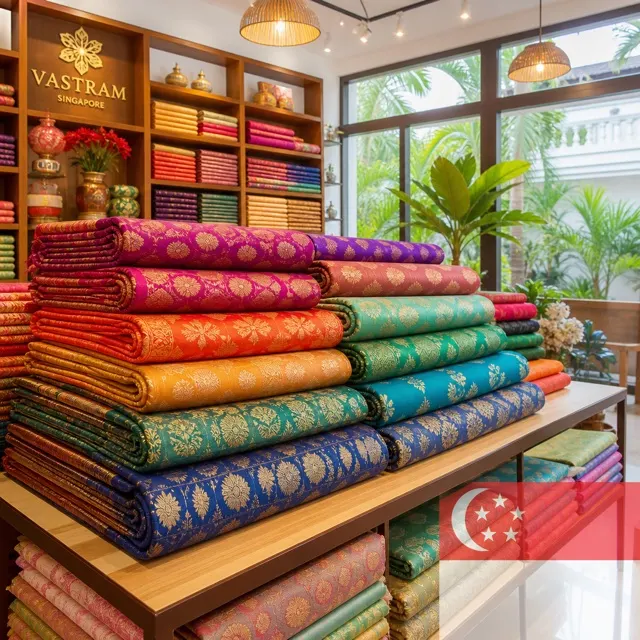
Katan, mashru, soft silk for tropical retail. Fast air courier replenishment, humidity-aware packing, and boutique-sized lots for the Singapore market.
More country guides coming soon. If your market is not listed, send a WhatsApp message with your country and product mix — we reply with a practical starting point.
What overseas buyers say about working with KashiFab
"We needed a Banaras manufacturer who could name the silk the way our tailor cuts it. Sampling first saved a wrong colour story on our US order."
"Clear metres, clear packing labels, and a WhatsApp desk that answers during our UK morning. That is what we use to reorder."
"For Dubai ceremony stock we wanted depth in brocade without five vendors. One Varanasi house for fabric and sarees worked."
"German atelier work needs specs. They held width and hand notes from the first shipment. Reorder was simple."
"MOQ and lead time were written plainly before we paid. That is rare. We now brief fabric and suit assortments together."
"Our first Banaras manufacturer quote included packing labels our warehouse could actually use. That alone cut receiving time."
Practical tips for a smooth export order
These are lessons from hundreds of export shipments — the things that separate a smooth first order from a frustrating one:
- Map photos to fibre names before bulk. A mood board is great for direction, but your PO needs to say "katan, wine, 44-inch" — not "something like that pretty one."
- Ask your tailor what width they cut. If your cutter works with 44-inch and you order 54-inch, you are paying for waste. Put width on the PO.
- Approve colour under your destination light. Gulf retail lighting and European boutique lighting are very different. If colour accuracy matters (it usually does), tell us what kind of lighting your customers will see the fabric under.
- Mixed cartons need clear instructions. If fabric rolls and finished hangers ship together, tell us how your warehouse wants them marked. Outside labels that make sense to your receiving team save hours.
- Keep your customs broker in the loop. We support with fibre description and invoice detail, but we do not replace your local customs brokerage. Share certificate needs early.
- WhatsApp + email works best. Quick clarifications on WhatsApp, formal specs and POs by email. This keeps both sides honest and documented.
RFQ checklist: get a Banaras silk manufacturer quote
Ready to move forward? Include these in your first message and we can usually get you a practical starting quote within 24–48 hours:
- Destination country and preferred shipping mode (sample courier, air, or sea).
- Product mix: fabric metres, sarees, suits, women's wear, men's wear.
- Silk types and colour count (fewer colours with enough metres beat many scraps).
- Quantity and target delivery month.
- Packing preference and any label language your warehouse needs.
- Incoterm preference (FOB / CIF / other) and currency preference.
- Company name, contact, and WhatsApp number for fast clarification.
Submit export RFQ Send RFQ on WhatsApp Email RFQ to info@kashifab.com
Ready to work with a silk fabric supplier from Varanasi?
Tell us your country, product mix, silk types, metres or piece counts, and target month. KashiFab replies with a practical MOQ, processing window, and shipping path. No generic brochure — just a quote built around what you actually need.
Request a Wholesale Quote Connect on WhatsApp +91 9319998890 Browse Wholesale Fabrics Trade Guides
FAQs for worldwide silk fabric buyers
Is KashiFab a silk fabric manufacturer or a reseller?
We are a manufacturer based in Varanasi. Our weaving and finishing happen in the Banaras cluster. When you buy from us, your order goes to the loom floor — not to a third-party warehouse.
Which countries do you commonly supply?
We regularly ship to the UAE, USA, UK, Germany, France, Italy, Singapore, Malaysia, Saudi Arabia and wider GCC, Canada, Australia, Japan, and other markets listed in the country table above. If your country is not listed, ask — we likely still can.
What silk types do you manufacture?
Katan, raw silk, tussar, matka, moonga, mashru, brocade, kimkhab, tissue, soft silk, and zari-forward cloth — shaped to your brief.
Do you supply finished products as well as fabric?
Yes. Sarees, suits, women's wear, and men's wear assortments can sit beside fabric metres in one program when that helps your warehouse.
What is the usual export MOQ?
Running fabric often starts around 25 to 50 metres per colour. Finished pieces and custom weaves differ. Your quote confirms the workable start.
How long is order processing and delivery?
Stock-led bulk often processes in about 7 to 14 working days. Custom programs often need 15 to 30 working days after deposit and locked specs. Air delivery after dispatch often feels like about 5 to 12 days by route; sea is longer.
How are countries ordered in the table?
They follow recent public strength of India's silk export destinations, led by UAE, USA, and China, then other major markets. Rankings change; treat the table as a buyer map.
Can I connect on WhatsApp for a fast quote?
Yes. Use the WhatsApp links on this page with country, silk types, metres or pieces, and target month. For a formal sheet, also use the request-a-quote form or email info@kashifab.com.
Retail cart or wholesale quote for international buyers?
Small personal pieces can use the shop. Importers, boutiques, and bulk buyers should use the wholesale or export quote path.