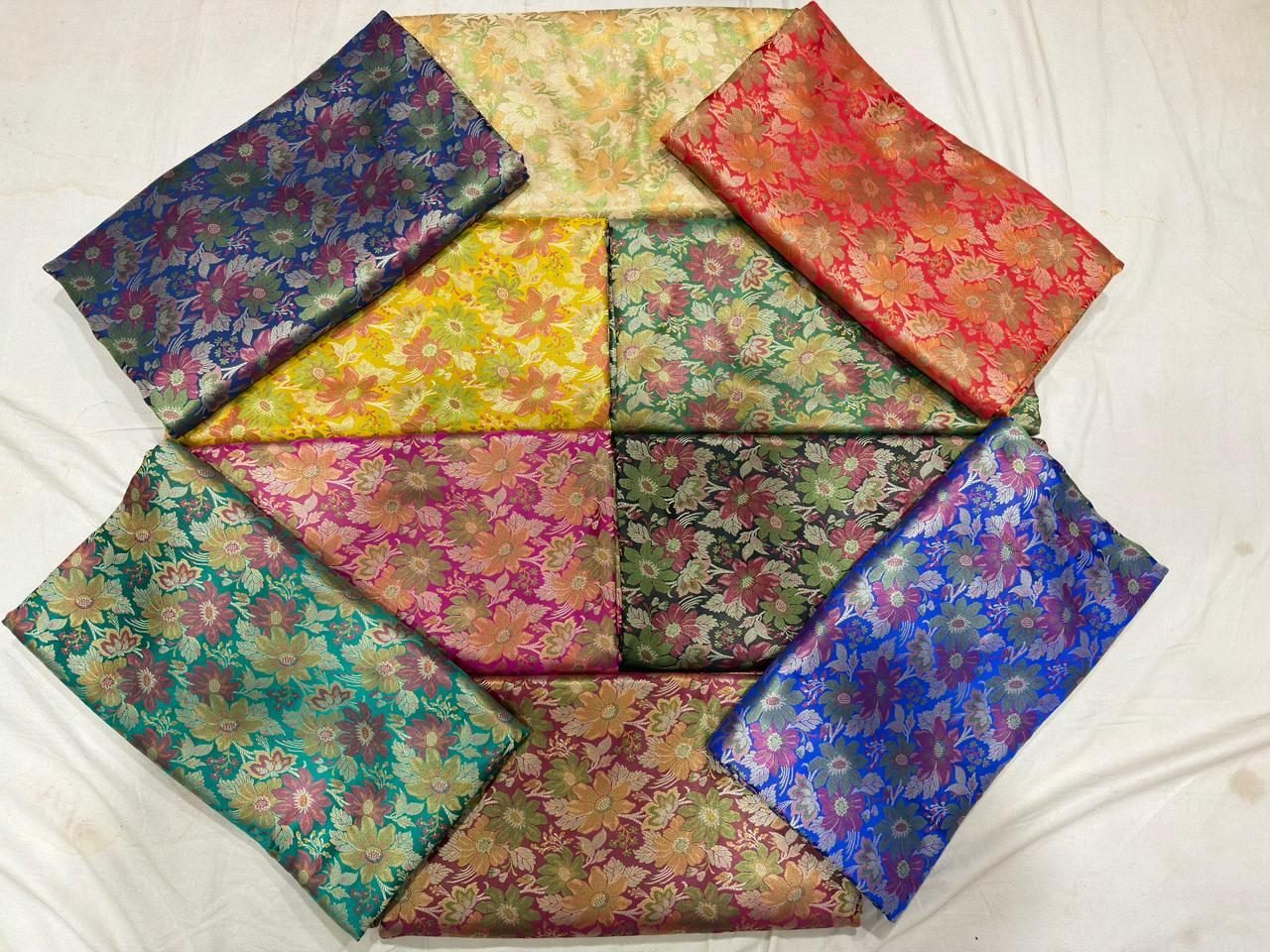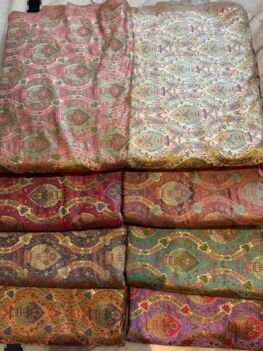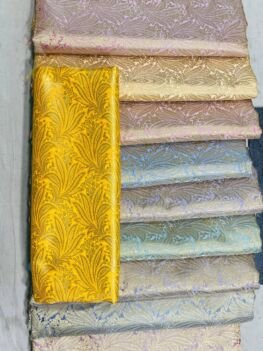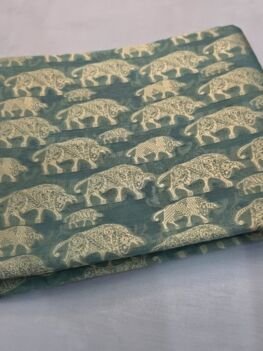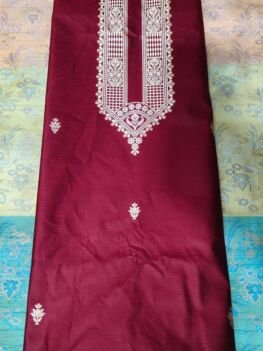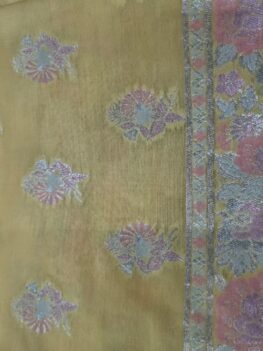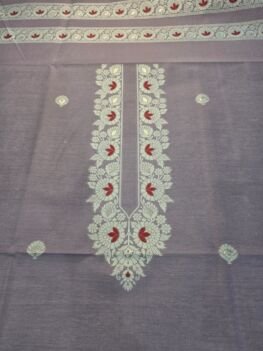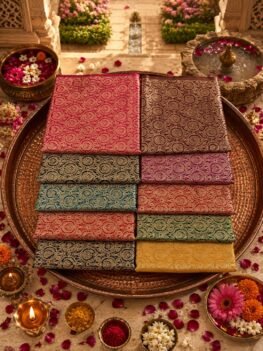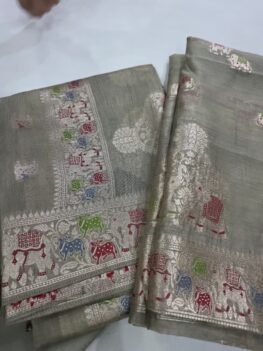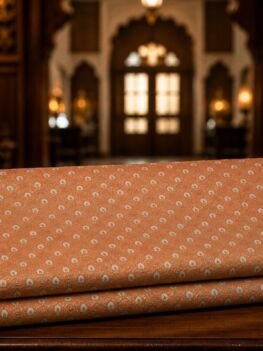
If you are looking for Banarasi handloom silk sarees that were actually woven in Varanasi - not only labelled "Banarasi" in a distant warehouse - this page is the place to start. KashiFab works from the Banaras weaving cluster, where handloom pits, katan yarns, and zari still decide what a saree feels like on the body, under wedding lights, and after years of careful wear.
Handloom Banarasi sarees are not one product. They are a family of constructions: pure katan (fine mulberry silk - the classic Varanasi wedding silk) for ceremony presence, lighter soft-silk hands for long receptions, mashru for warmer climates, rangkat for multi-colour storytelling, and dense brocade when the brief asks for gold that reads from across a hall. This page explains those choices in plain language - including the local silk names and what they mean for buyers abroad - so you can buy with intent for yourself, a bridal edit, or boutique and wholesale stock.
Use the enquiry form if you need a specific weave, colour story, or bulk assortment. Browse retail-ready pieces in the shop when you want to start with a finished saree. Later pillar pages under this guide will go deeper on motifs, bridal weight, kadwa work, and regional buying notes - this page is the main map.
Retailers shop Banarasi sarees WhatsApp KashiFab All Banarasi saree pages
Export desk
Business enquiry
What this Banarasi handloom saree guide covers
- What "handloom Banarasi" should mean
- Heritage of Banaras silk weaving
- Handloom vs powerloom - an honest buyer note
- Anatomy of a Banarasi saree
- Silk hands used in handloom Banarasi sarees
- Motifs, jaal, and design language
- Zari, kadwa, and handwork cues
- Types of Banarasi handloom silk sarees
- How to choose by occasion
- Quality checks before you pay
- Care, storage, and longevity
- Retail buyers vs boutique and wholesale
- Exporting Silk Handloom Sarees Online
- Pillar pages coming under this guide
- How KashiFab helps
- FAQs
Shop Banarasi handloom silk sarees
Finished AYU handloom and katan silk sarees from Varanasi - each card shows a lifestyle cover so you can judge drape, colour, and border before you enquire.
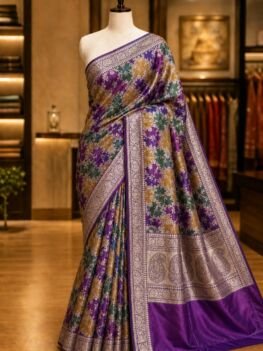
Handloom pure katan silk rangkaat sarees - AYU #7093
₹24,999
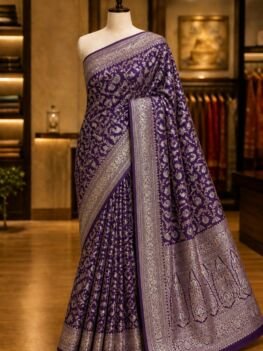
Handloom pure katan silk allover jaal meenakari saree - AYU #7088
₹24,999
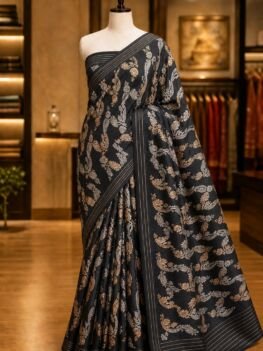
Handloom Mashru Katan Sarees - AYU #10141
₹17,500
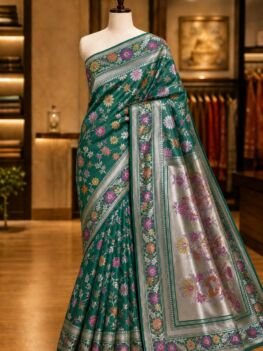
Handloom inspired katan meenakari jaal sarees - AYU #7076
₹5,800
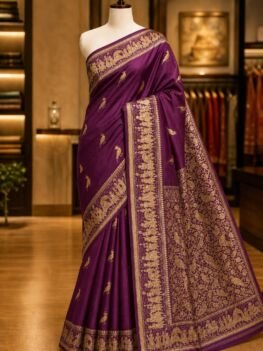
Pure katan Silk Sarees - AYU #10579
₹15,500
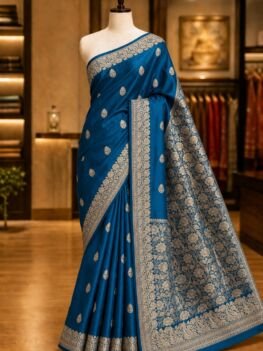
Pure Katan Silk Sarees - AYU #10173
₹14,500
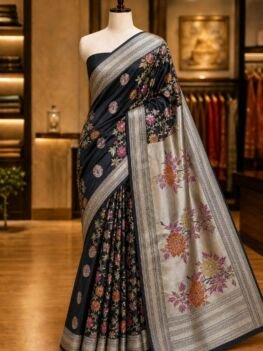
Katan meena buti and alfi jaal sarees - AYU #7100
₹5,400
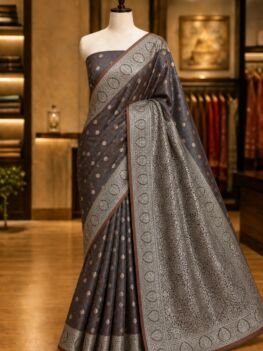
Mashru katan sarees with interlock resham weave sarees - AYU #7115
₹5,600
What Banarasi handloom silk sarees should mean in practice
"Banarasi handloom silk saree" is a commercial phrase that gets stretched. On the loom floor in Varanasi, the useful meaning is tighter: a silk (or silk-led) saree whose structural weave and ornamental work belong to the Banaras tradition, produced on a hand-operated loom where the weaver controls pick density, motif placement, and the tension that creates the saree's hand.
That does not mean every authentic Banarasi is the heaviest bridal piece in the room. It means:
- The fibre story is named in plain terms - e.g. katan (fine mulberry silk), soft silk, mashru, organza-leaning constructions, or an honest blend note when silk is mixed.
- Border and pallu carry Banaras character you can see and feel - not only a printed claim on a tag.
- The seller can explain construction (kadwa vs cutwork habits, jaal density, zari type) without changing the story mid-conversation.
- Price and lead time make sense for the labour involved. A dense kadwa bridal jaal is not a next-day catalogue item.
Buyer habit: ask "Is this handloom, and what is the fibre called on the shop floor?" before you ask for a discount. Discounts are easy to invent. Fibre names are harder to fake once you know what to look at.
Related Pages already live under Banarasi sarees: authentic Banarasi silk sarees, katan silk sarees, wedding Banarasi sarees, and mashru and soft silk sarees.
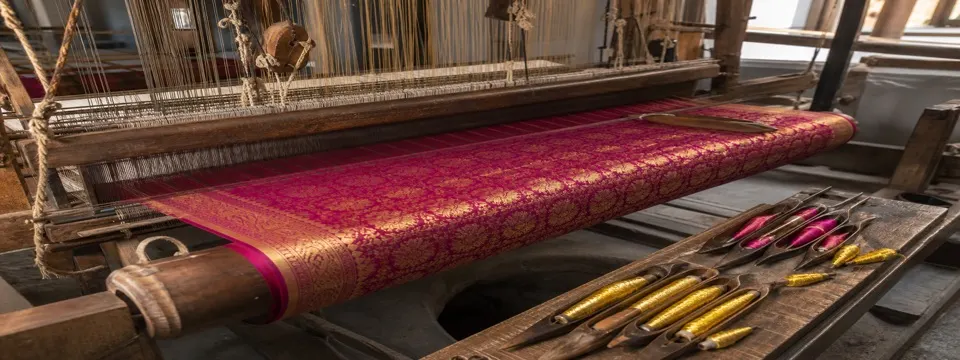
Heritage of Banaras silk weaving - why Varanasi still matters
Varanasi (Banaras / Kashi) is not famous for Banarasi sarees by accident. The city sits on a long trade and temple economy where silk, ritual textiles, and skilled weaving households reinforced each other for generations. The Banaras cluster developed specialised knowledge that is hard to relocate: yarn preparation for katan, zari winding and polishing habits, motif libraries that travel from master to apprentice, and finishing practices that decide whether a saree drapes cleanly or fights the wearer.
What buyers feel today as "Banarasi look" usually comes from a few heritage building blocks:
- Katan silk character - Banaras's fine mulberry silk hand: firm, bright, and structured so borders and bridal drapes hold their shape (what many buyers abroad simply think of as premium wedding silk).
- Extra-weft ornament - motifs woven into the cloth with supplementary weft threads, not only printed on top.
- Zari language - metallic gold/silver yarn (the Banaras word for the metallic thread work) used for creeper borders (bel), small motifs (buti), all-over nets (jaal), and heavy pallu statements.
- Colour discipline - wine, rani, emerald, navy, ivory, and gold stories that photograph and light differently indoors vs outdoors.
- Local finishing - washing, calendaring, and inspection habits that affect shine, stiffness, and longevity.
Heritage is also practical. A weaver who has spent years on kadwa bridal work will tell you - honestly - when a requested motif density cannot be finished before your wedding date. That honesty is part of Banaras craft culture when you buy close to the loom.
If you are also sourcing fabric metres for kurtas or jackets from the same cluster, start at silk fabric for kurta and silk categories. Saree and metre programs often share fibre families even when the finished product differs.
Handloom vs powerloom - an honest buyer note
Both handloom and powerloom exist in and around the Banaras textile economy. Pretending otherwise helps no one. What matters is matching the construction to your use case and labelling it honestly.
| Question | Handloom Banarasi (typical) | Powerloom / faster production (typical) |
|---|---|---|
| Who controls the pick? | Weaver and loom setup; slower, more flexible for complex kadwa/jaal stories | Mechanised speed; strong for repeatable volume SKUs |
| Best for | Bridal presence, heirloom intent, intricate motif placement, boutique differentiation | Faster replenishment, price-sensitive festive edits, consistent bulk packs |
| Lead time | Often longer, especially for custom colour or dense work | Often shorter when running designs exist |
| Price logic | Labour and complexity show up clearly in the quote | Scale and speed can lower unit cost |
| What to ask | "Is this handloom? Which fibre? Kadwa or cutwork habits?" | "Is this powerloom? What is the fibre composition on the label?" |
KashiFab's position is simple: if a saree is handloom, we say handloom. If a construction is better served by a faster loom path for a commercial brief, we say that too. The damage happens when marketing language invents handloom romance for a cloth that cannot carry it under inspection.
Anatomy of a Banarasi handloom silk saree
When buyers get stuck, they usually argue about colour while ignoring structure. Learn the parts once, and quality conversations become easier:
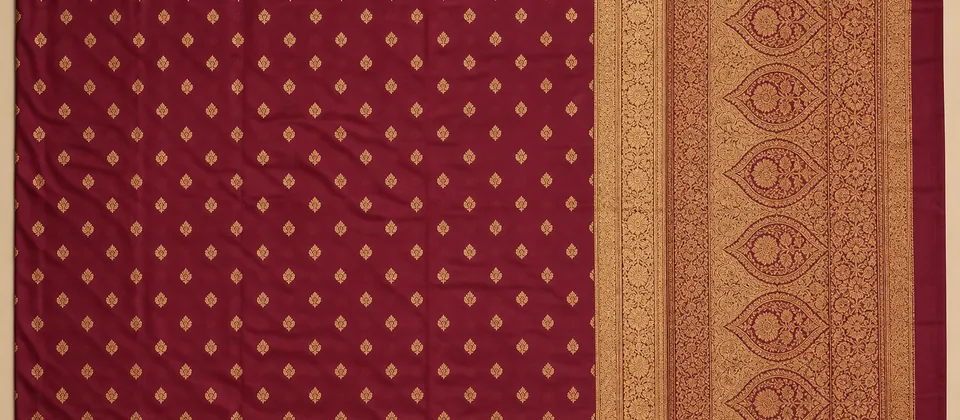
- Field / body - the main drape area. Can be plain, butidar (scattered butis), or full jaal.
- Border (kinari / kor) - frames the drape. Width, zari density, and contrast decide ceremony presence.
- Pallu (anchal) - the showpiece end. Often denser than the body; this is where many Banarasi sarees "announce" themselves.
- Blouse piece - usually attached or matched. Confirm length and whether it matches pallu language.
- Fall and finish - how the edge is prepared for wearing. Ask what is included if you need ready-to-drape.
A useful fitting tip: hold the pallu under the same kind of light you will wear it in. Warm hotel LEDs, temple daylight, and outdoor noon sun tell three different gold stories on the same zari.
Silk hands used in Banarasi handloom silk sarees
Banaras weavers build sarees on different silk hands for different jobs. Choosing the hand is half the purchase. Local trade names (katan, mashru, zari, rangkat) are used on the loom floor in Varanasi - below each one includes the plain-English / international keyword so buyers abroad can recognise the fibre.
Quick glossary for international buyers: Katan = fine mulberry silk · Zari = metallic gold/silver thread · Mashru = silk-faced cloth with a comfort reverse · Rangkat = multi-colour woven silk · Brocade = patterned silk with raised ornamental (often metallic) weave · Pallu = the decorative end of the saree.
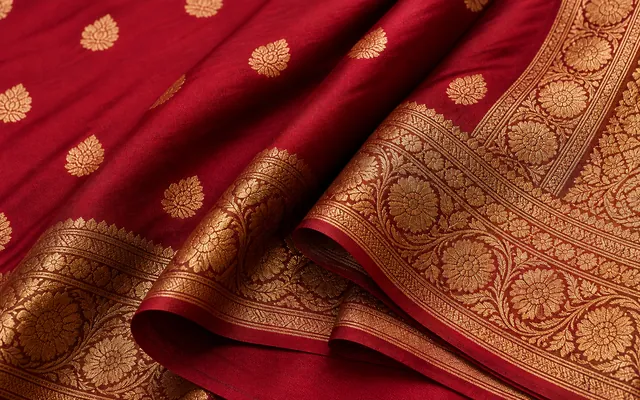
Pure katan (fine mulberry silk)
Also known as Banaras's classic mulberry silk - a tightly prepared, fine silk yarn with a firm body and bright lustre. Think of it as the premium wedding / formal silk hand: borders hold shape through long rituals and photography. Keywords buyers search abroad: mulberry silk saree, Banarasi wedding silk, formal silk saree. Read more: katan silk sarees Varanasi.
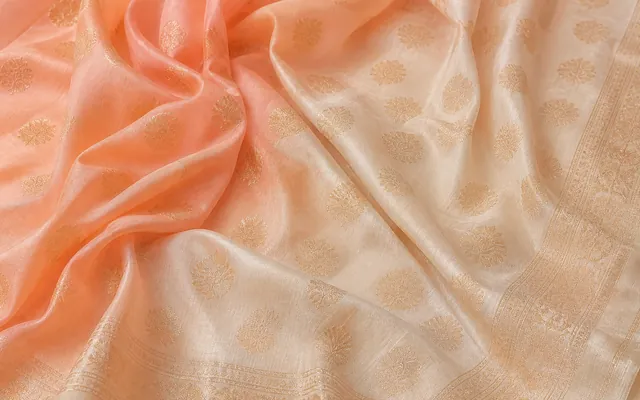
Soft silk (lighter mulberry / soft-drape silk)
Easier movement for receptions, travel weddings, and buyers who want Banaras ornament without full bridal stiffness. Still silk-led when labelled honestly - closer to what international shops call soft silk or light mulberry saree silk. See mashru and soft silk sarees.
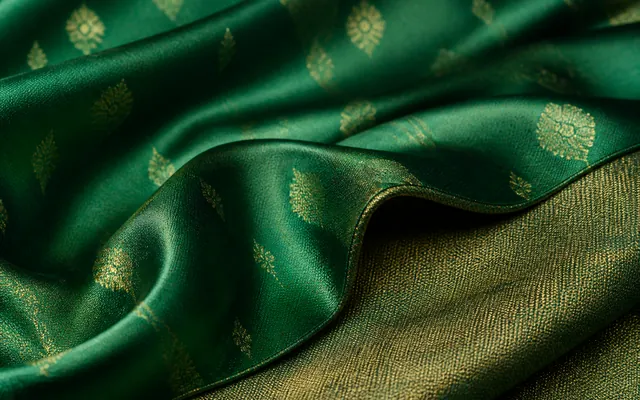
Mashru (silk-faced comfort weave)
Silk face with a more comfortable reverse - historically a silk-and-cotton style cloth valued in warmer wear. Useful for festive stock in humid markets and for customers who want a silk look with easier daily handling (often described abroad as silk-front / satin-face festive fabric).
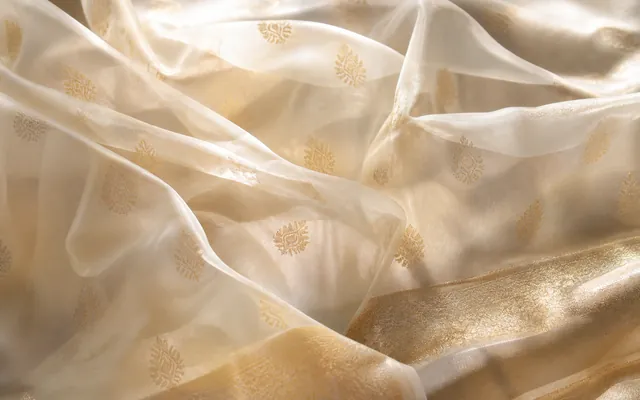
Organza-leaning and sheer accents (sheer silk)
Used when the brief wants float, transparency, and lighter layering - the same idea as organza or sheer silk evening fabric abroad. Confirm care carefully: sheer constructions and dense metallic zari need different storage habits.
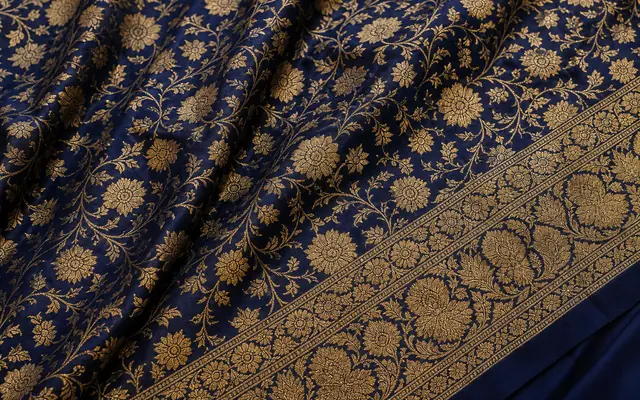
Brocade-forward sarees (ornamental woven silk with metallic thread)
When ornament dominates the cloth language. Heavy zari (metallic gold/silver yarn) and rich pattern density for ceremony floors and Gulf-style occasion retail - what most international buyers recognise as Banarasi brocade. Compare weave ideas on brocade vs jacquard for sarees.
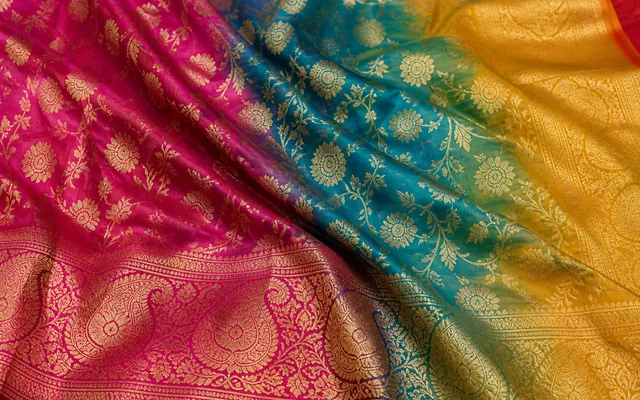
Rangkat (multi-colour woven silk)
Colour-block or multi-tone Banaras storytelling across the body and pallu - multi-colour woven silk rather than a single dyed field. Strong for boutique edits where one saree needs to feel singular on a hanger.
Fabric cousins for stitched garments: pure katan silk (mulberry), Banarasi brocade and kimkhab.
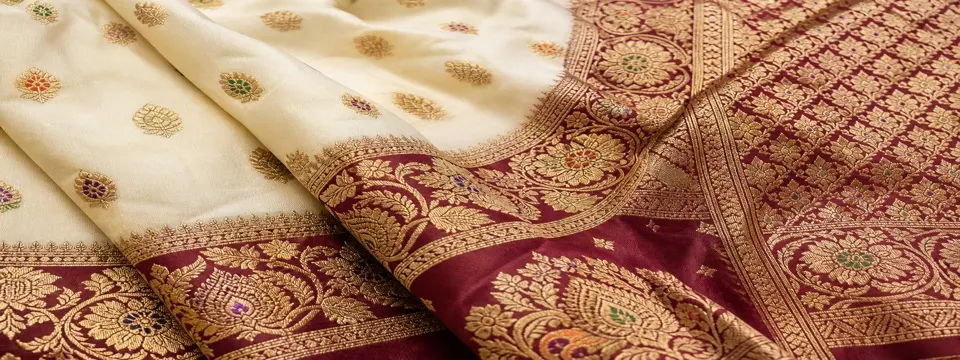
Motifs, jaal, and the design language of Banaras
Banarasi design is a vocabulary. Once you recognise a few words, catalogue photos become easier to decode.
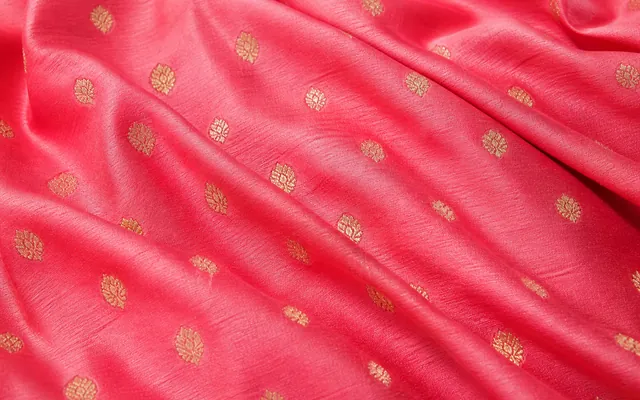
Buti / butidar
Small motifs scattered across the field. Elegant, often lighter than full jaal, and versatile for festive and wedding guest looks.
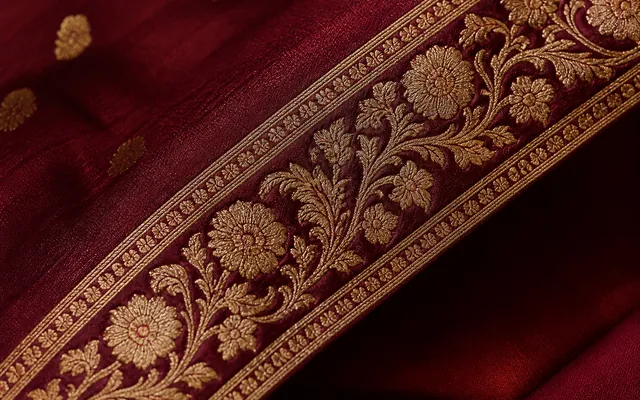
Bel / creeper borders
Vine and floral running borders that frame the drape. Border width and contrast decide how "loud" the saree reads in a room.
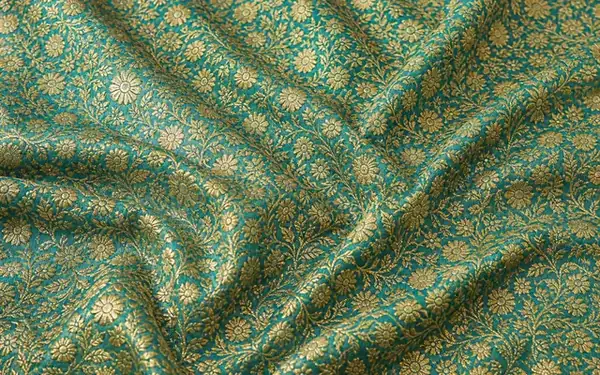
Jaal
An all-over net of motifs. Dense jaal can be breathtaking and heavy. Ask about wear hours before you commit to maximum density.
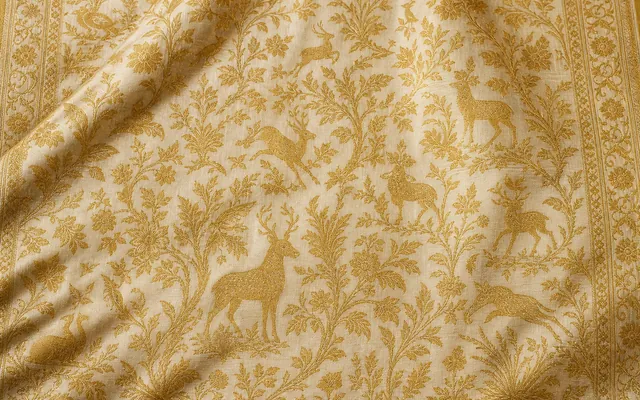
Shikargah
Hunting / animal-figure narratives woven into the cloth language. Statement pieces for buyers who want storytelling, not only florals.
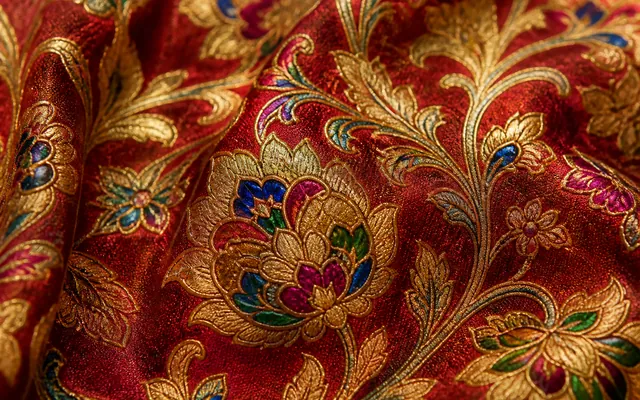
Meenakari accents
Colour inlay effects that add jewel-like detail inside zari work. Beautiful under warm light; confirm colourfastness and care notes.
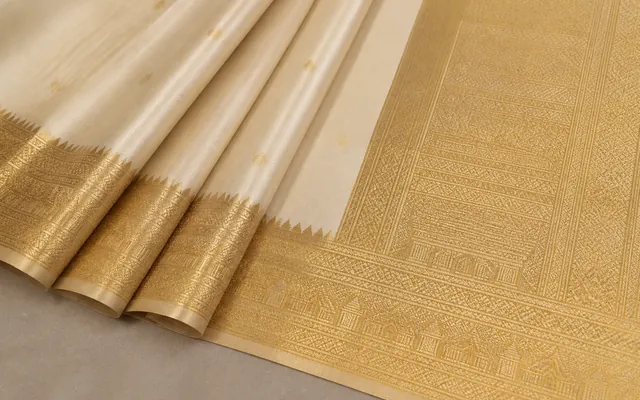
Geometric and temple-leaning borders
Cleaner architecture for modern bridal edits and contemporary boutique hangers that still want Banaras authenticity.
Design tip for brides and stylists: match motif scale to jewellery scale. Fine butidar can disappear under heavy necklace sets; bold pallu jaal can overpower minimal jewellery if you do not plan both together.
Zari, kadwa, and handwork cues you can actually use
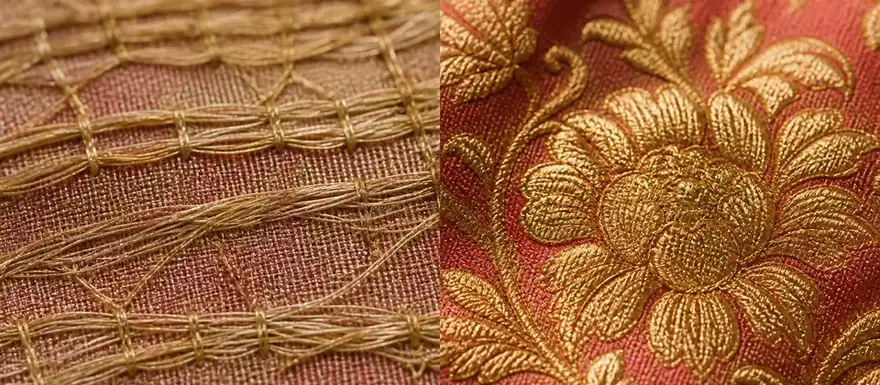
Zari is why many Banarasi sarees catch light the way they do. Buyers do not need a metallurgy lecture - they need practical cues:
- Real vs tested commercial zari mixes - ask what is used and what care it needs. Over-polished claims help less than a clear care card.
- Kadwa - motifs woven in a way that often feels more finished on the reverse and can command higher craft value and time.
- Cutwork / other ornamental habits - different cost, different reverse look, different repair stories years later.
- Density vs comfort - more zari usually means more weight and more heat retention. Plan the event hour list.
Inspection habit: look at the reverse of a motif. A clean, intentional reverse does not prove everything - but a chaotic reverse plus vague answers is a warning to slow down.
Handwork is not only embroidery added later. In Banarasi handloom sarees, much of the "hand" is inside the weave: the weaver's control of motif placement, the rhythm of the loom, and the finishing that keeps border lines true.
Types of Banarasi handloom silk sarees buyers ask for
These are the commercial types we hear most often. Future pillar pages will expand each one; this is the decision map.
| Type | What it usually offers | Best when | Watch-outs |
|---|---|---|---|
| Bridal katan Banarasi | Presence, structure, rich pallu/border | Main ceremony, photography, heirloom intent | Weight and heat over long hours |
| Wedding guest Banarasi | Butidar or lighter jaal, wearable drape | Functions, travel weddings, evening events | Do not force bridal density into a guest brief |
| Reception / movement-first Banarasi | Softer hand, easier walking and dancing | Long receptions, destination weddings | Confirm fibre label if not pure katan |
| Rangkat Banarasi | Multi-colour storytelling | Boutique differentiation, statement hangers | Colour matching under destination light |
| Mashru Banarasi-led sarees | Comfort-led silk face stories | Warm climates, festive retail depth | Explain construction to customers clearly |
| Brocade-forward Banarasi | Heavy ornament language | Ceremony floors, occasion wholesale | Packing and storage need extra care |
| Heirloom / custom motif Banarasi | Personal motif or family colour story | Made-to-order bridal timelines | Book looms early; sampling first |
Deep dives already available: wedding Banarasi sarees for ceremony vs reception planning.
How to choose a Banarasi handloom saree by occasion
- List the hours. A three-hour morning ritual and an eight-hour reception are different cloth problems.
- Name the light. Temple daylight, hotel LEDs, outdoor lawns - gold and wine behave differently.
- Match jewellery and blouse plan. Decide statement necklace vs minimal before locking pallu density.
- Decide heirloom vs season wear. Heirloom can justify heavier craft and longer lead time.
- Be honest about climate. Outdoor Indian summer and air-conditioned halls need different hands.
- Write the brief. Fibre preference, colour family, motif density, budget band, and date - then enquire.
If you are buying for someone else (mother, sister, client), ask whether they want to feel "held" by a firm katan drape or "free" in a softer hand. That one preference prevents many returns.
Quality checks before you pay for a Banarasi handloom silk saree
- Fibre named in writing - not only in chat language.
- Handloom claim matches the price and lead-time story.
- Border lines look true; pallu motif alignment does not drift badly.
- Zari does not shed aggressively on a gentle hand test (normal handling, not abuse).
- Colour looks acceptable under your destination light, not only studio white light.
- Blouse piece length and match are confirmed.
- Care notes are specific: dry clean vs careful wet habits, storage folds, moisture.
- For wholesale: outer labels, piece count, and packing photos before dispatch when needed.
Common mistake: approving a mood-board screenshot and then arguing when the finished saree is a different fibre hand. Screenshots are direction. Fibre + construction notes are the order.
Care, storage, and keeping Banarasi handloom sarees beautiful
Handloom Banarasi sarees repay careful ownership:
- Prefer professional dry clean for dense zari bridal pieces unless your care card says otherwise.
- Store in breathable cotton wraps; avoid long-term plastic sweat boxes.
- Refold occasionally so permanent crease lines do not cut through zari zones.
- Keep away from damp walls and monsoon cupboards - silk and moisture are a bad long game.
- Air gently after wear before packing away perfume-heavy evenings.
For broader silk care reading, see KashiFab care guides when you are comparing wash vs dry-clean decisions across fabric and saree types.
Retail buyers vs boutique and wholesale programmes
Individual / retail buyers usually need one or a few sarees with clear fibre names, blouse guidance, and shipping to door. Start in the shop: Banarasi silk sarees, then message WhatsApp if you need a different colourway or custom bridal timeline.
Boutique and wholesale buyers need assortments: colour depth, repeatable SKUs, packing labels, and reorder memory. Tell us:
- Market (India retail, USA/UK diaspora, Gulf ceremony, Southeast Asia festive)
- Mix of bridal vs festive vs soft-hand pieces
- Piece counts per design / colour
- Target delivery month
- Whether you need matching blouse fabrics or only finished sarees
Trade context for Banaras supply: trade guides and silk fabric suppliers worldwide.
Exporting Silk Handloom Sarees Online
KashiFab ships Banarasi handloom silk sarees online to buyers, boutiques, and importers across major silk markets. The countries below match our worldwide export map. Dedicated country pages are live for some markets already; more guides will follow.
Shop banarasi silk sarees online worldwide
Pillar pages planned under this Banarasi handloom guide
This page is the parent map. Upcoming child pillars can go deep without flattening the Sarees hub:
Kadwa Banarasi handloom sarees
Construction cues, reverse look, timeline, and when kadwa is worth the wait.
Banarasi bridal jaal sarees
Density, weight, jewellery pairing, and ceremony-hour planning.
Rangkat handloom Banarasi sarees
Multi-colour storytelling, boutique merchandising, and lighting notes.
Banarasi handloom for destination weddings
Travel packing, climate, and movement-first hands without losing Banaras character.
Until those pages publish, use this guide plus the existing Banarasi saree children linked above, and send a clear enquiry for custom work.
How KashiFab helps you buy Banarasi handloom silk sarees with less risk
Named fibres, not fog
We talk katan, mashru, soft silk, and construction notes the way the Banaras floor talks - so your decision matches what arrives.
Retail and trade in one house
Buy a finished saree online, or brief a boutique assortment and export packing from the same Varanasi-led team.
Wedding timelines spoken honestly
If a dense handloom bridal cannot be ready before your date, we say so early - and offer workable alternatives.
Reorder memory for boutiques
Colour names, design notes, and packing preferences from season one become the baseline for season two.
Shop Banarasi silk sarees Enquire on WhatsApp Email info@kashifab.com
FAQs on Banarasi handloom silk sarees
Are all Banarasi sarees handloom?
No. Banaras produces a range of constructions. Ask specifically for handloom when that is what you want, and confirm fibre and construction in writing.
Is pure katan always best for weddings?
Often for main ceremony presence - not always for long receptions or hot outdoor events. Match hand to hours and climate. See wedding Banarasi sarees.
How long does a custom handloom Banarasi take?
It depends on motif density, colour development, and loom booking. Dense bridal work needs early planning. Share your date in the first message.
Can NRIs and overseas buyers order?
Yes. Use the shop for individual pieces, or the enquiry form / WhatsApp for shipping, packing, and multi-piece orders. Country buying context: silk suppliers worldwide.
What should I send in an enquiry?
Occasion, preferred fibre hand, colour family, motif density (light butidar vs full jaal), budget band, city, and date. Photos of jewellery or blouse inspiration help.
Where do I browse more Banarasi saree topics?
Start at the container hub Banarasi sarees, then open authentic, katan, wedding, mashru/soft, and weave-compare pages.
Ready to choose a Banarasi handloom silk saree from Varanasi?
Whether you need one ceremony saree or a boutique assortment, start with a clear brief: fibre hand, occasion hours, colour, and date. KashiFab replies with workable options from Banaras - labelled honestly, packed carefully, and backed by people who understand both the loom floor and the buyer’s calendar.
Shop Banarasi sarees WhatsApp +91 9319998890 Back to Banarasi sarees