KashiFab silk import - India to your market
Import silk fabric from India for clients worldwide
At KashiFab we help overseas brands import silk - not generic fabric essays. Start with the silk categories we deal in, match a use case, then we sample, lock specs, and plan packing for the United States, Europe, Southeast Asia, or the Middle East.
- Silk categories we import
- Client use cases
- US, EU, SEA, Middle East
- Sample before ship talk
Export desk
Business enquiry
What importers get wrong
- Silk type before paperwork talkImporters who jump to shipping without locking twill vs satin vs brocade often rework shade and width after the first sample.
- Market light mattersA shade approved only under mill light can drift in a US showroom or EU boutique. We ask you to approve in your sell light.
- Use case drives constructionScarf programmes and jacket programmes rarely share the same GSM and hand - even when both are called silk.
Popular silk categories we import for overseas clients
This is the value centre of the page. Trade English first; Indian mill names where buyers still quote them. Pick a category, then send an enquiry. For the wider multi-fibre fabrics list, see Fabric Sourcing India.
Category 01
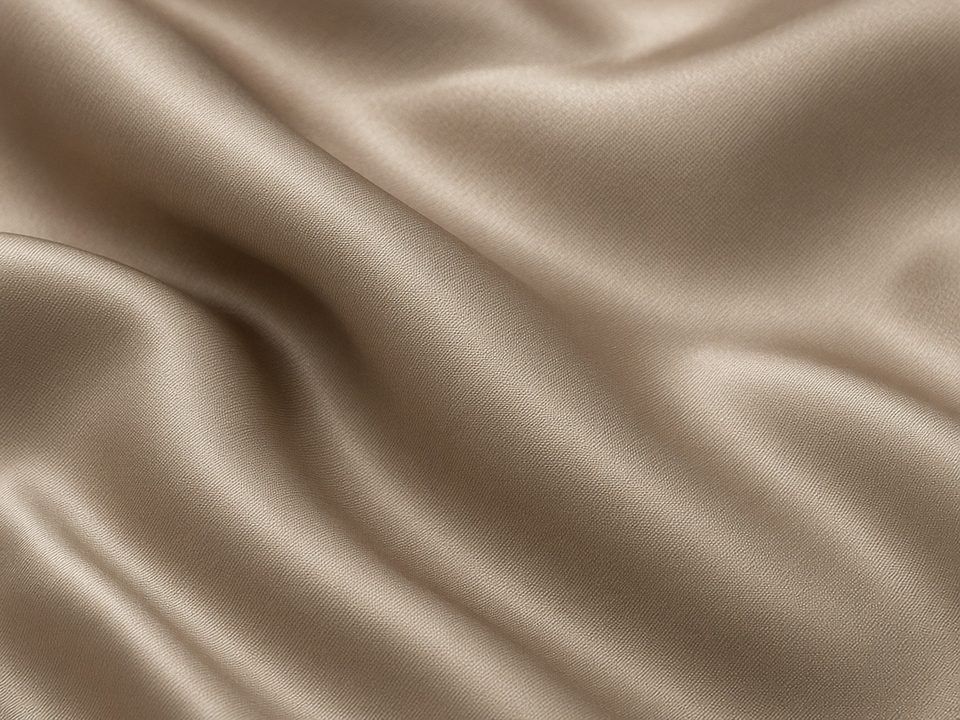
Silk twill (Silk twill)
Diagonal face with fluid drape - the import workhorse for accessory houses in the United States and Europe.
- Scarves and foulards
- Neckwear programmes
- Soft accessory capsules
We typically lock: colour, GSM / momme band, hand, usable width - then packing for your destination.

Category 02
Structured silk satin (Katan)
Firm body and clean face for apparel importers who need metres that cut without collapsing.
- Dresses and blouses
- Jackets and structured separates
- Linings and boutique occasion faces
We typically lock: body / GSM, shade, usable width, finish. Shop range also under katan silk.
Category 03
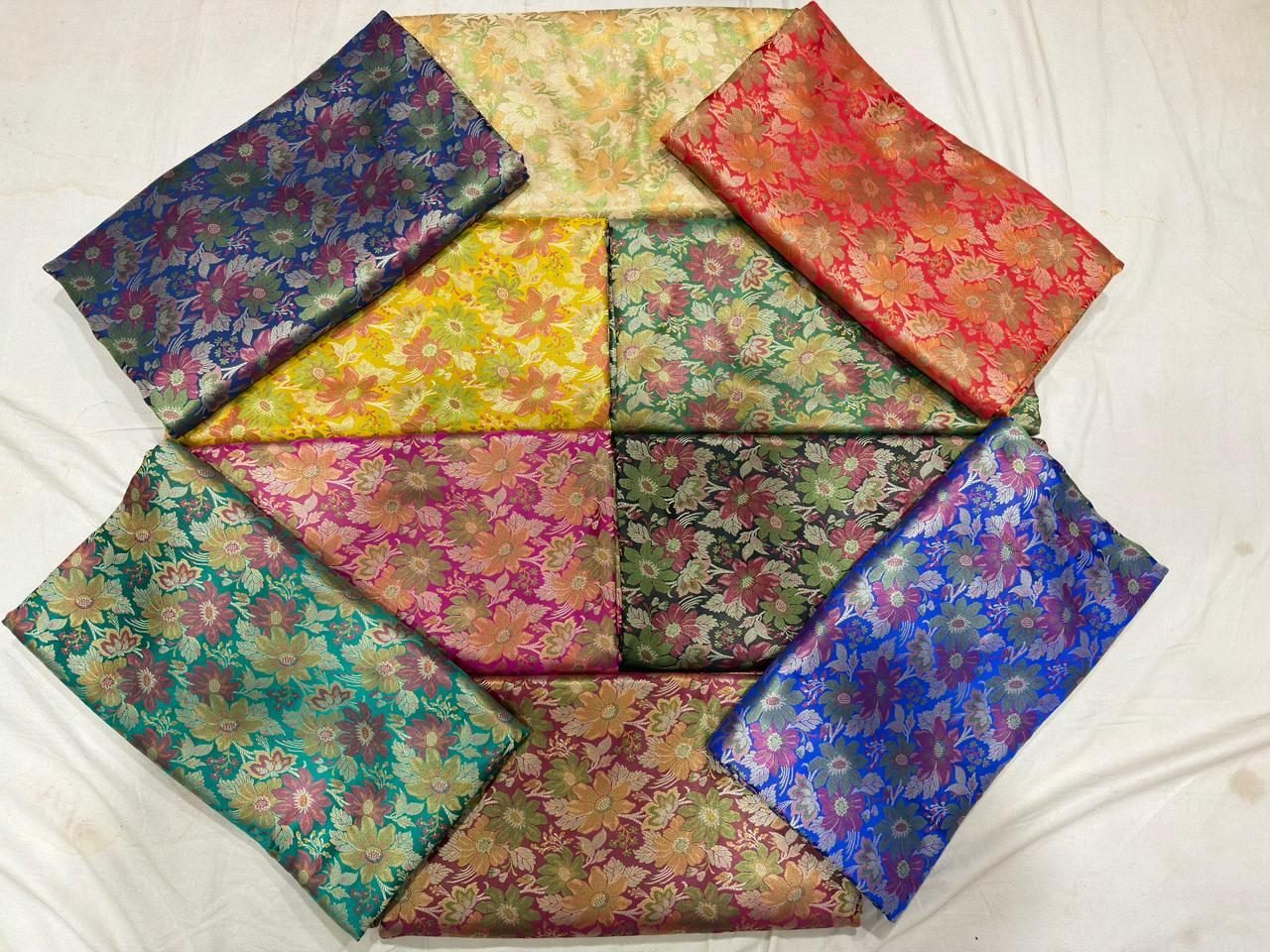
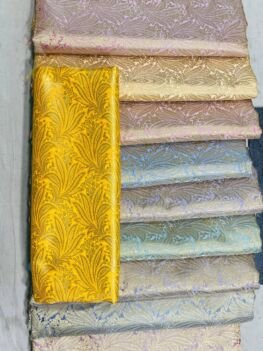
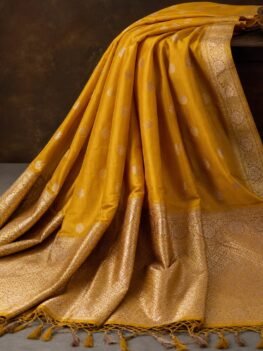
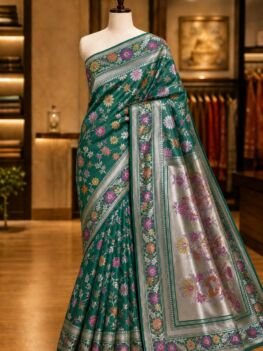
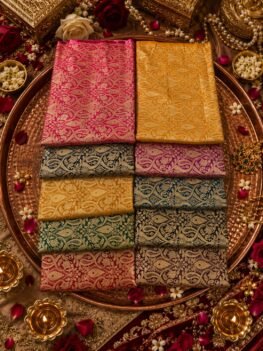
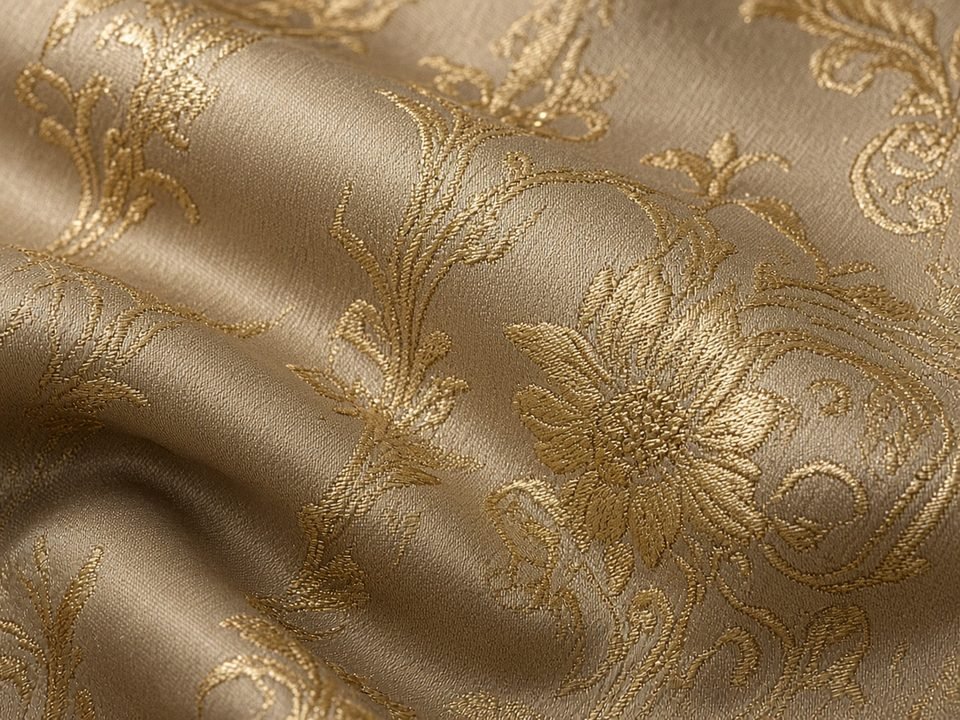
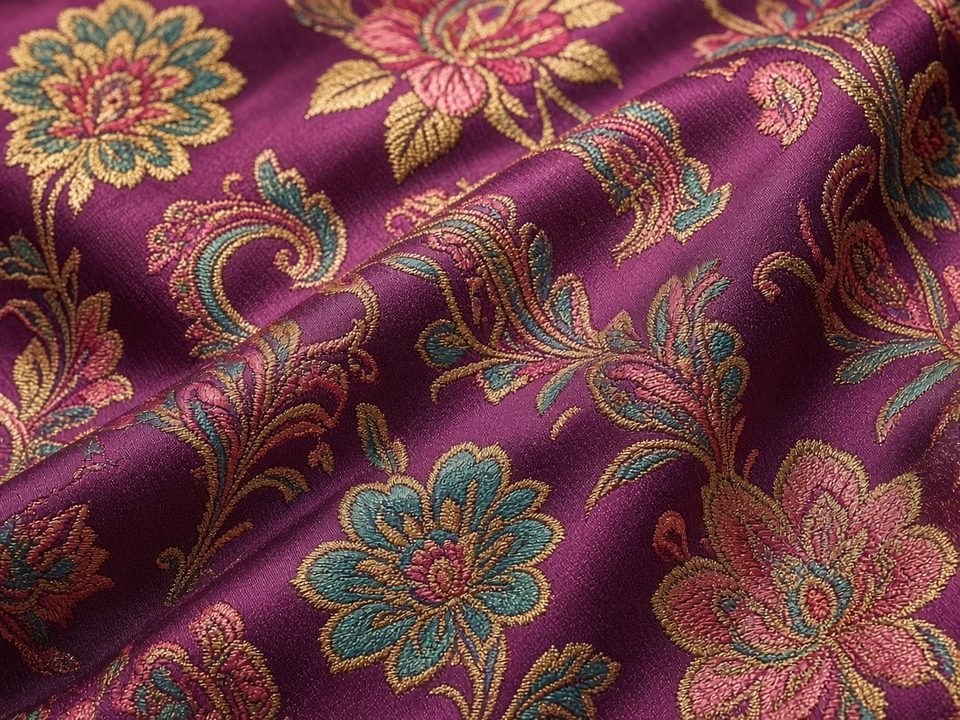
Jacquard brocade (Banarasi brocade / Kimkhab)
Pattern woven into the cloth - for occasion and boutique programmes that need motif scale locked before import.
- Occasion apparel capsules
- Statement jackets and panels
- Boutique festive collections
We typically lock: motif scale, metal tone, colourway on sample. Related shop: Banarasi brocade, satin brocade.
Category 04
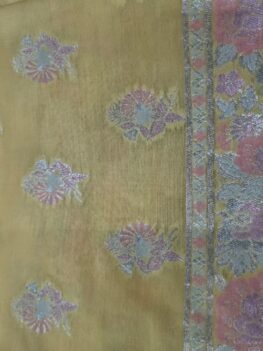
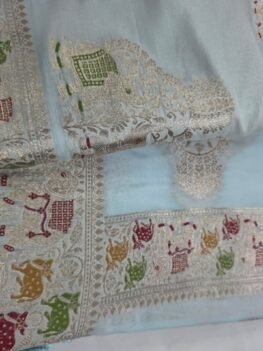
Multi-colour jacquard (Meena brocade)
Multi-shade woven stories for brands that import colour narratives, not only solids.
- Brand colour stories
- Patterned accessories
- Limited boutique drops
We typically lock: each Pantone / colourway on sample before metres leave India. Also see Rangkat brocade for multi-zone colour programmes.
Category 05
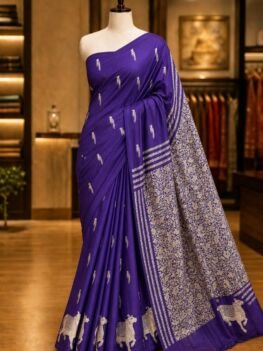
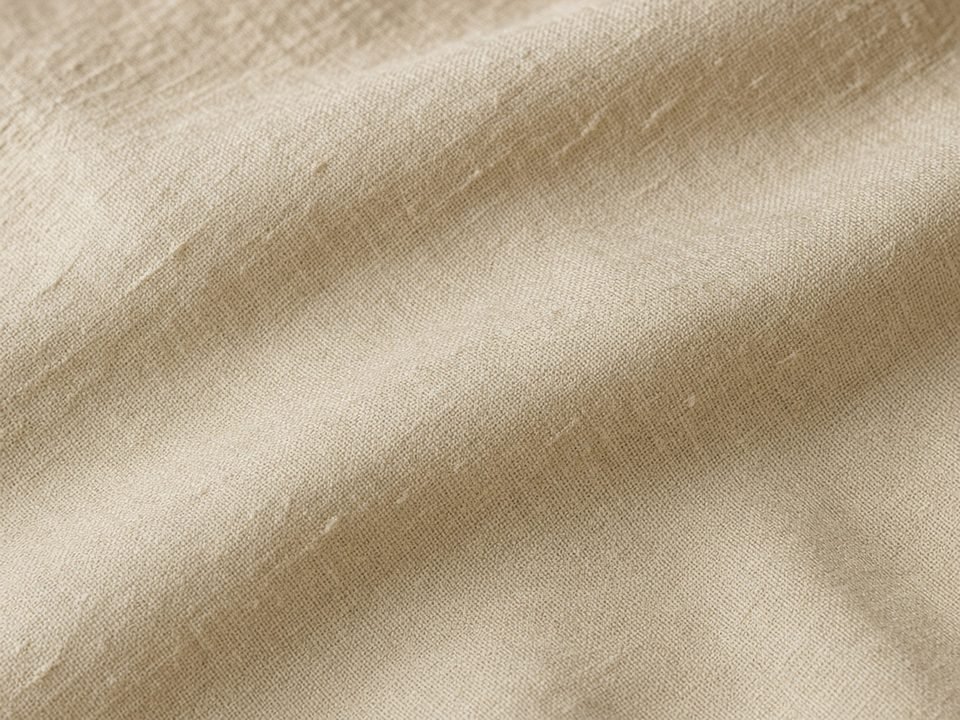
Textured slub silk (Raw silk / Tussar)
Natural texture for daywear and craft-led brands that want character in the face, not high lustre.
- Textured jackets and daywear
- Natural-face apparel
- Soft home / craft-adjacent accents
We typically lock: slub character, shade, width. Shop: raw silk.
Category 06
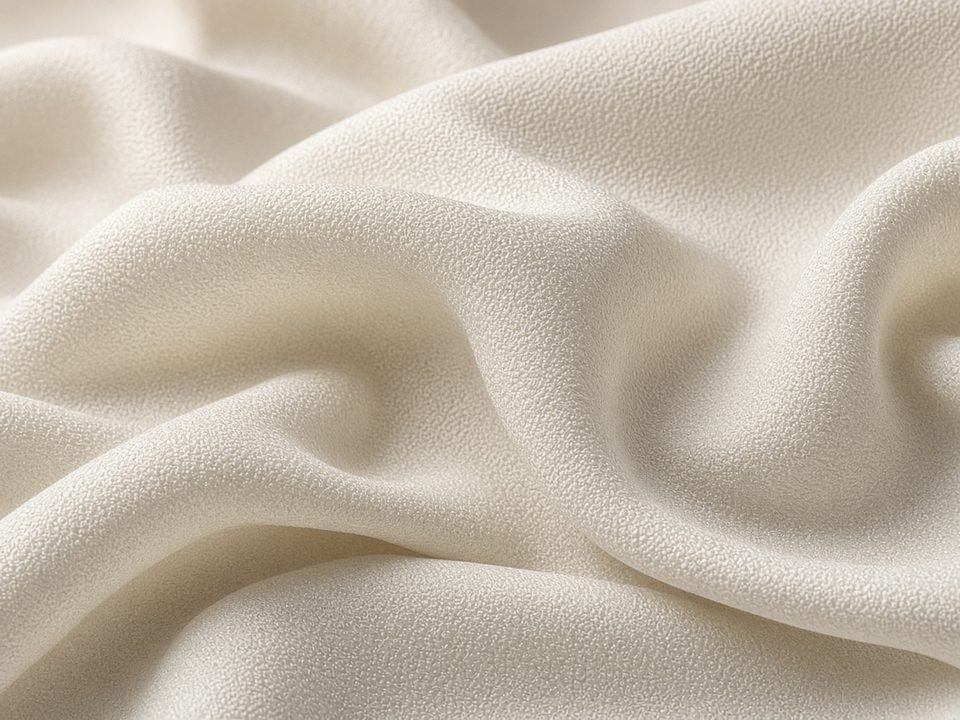
Silk crepe (Silk crepe)
Pebbled hand and soft drape for dress programmes that need movement without a hard satin flash.
- Dresses and blouses
- Soft-drape apparel
- European boutique day-to-evening lines
We typically lock: GSM, drape, shade, finish - approved in your market light.
Category 07
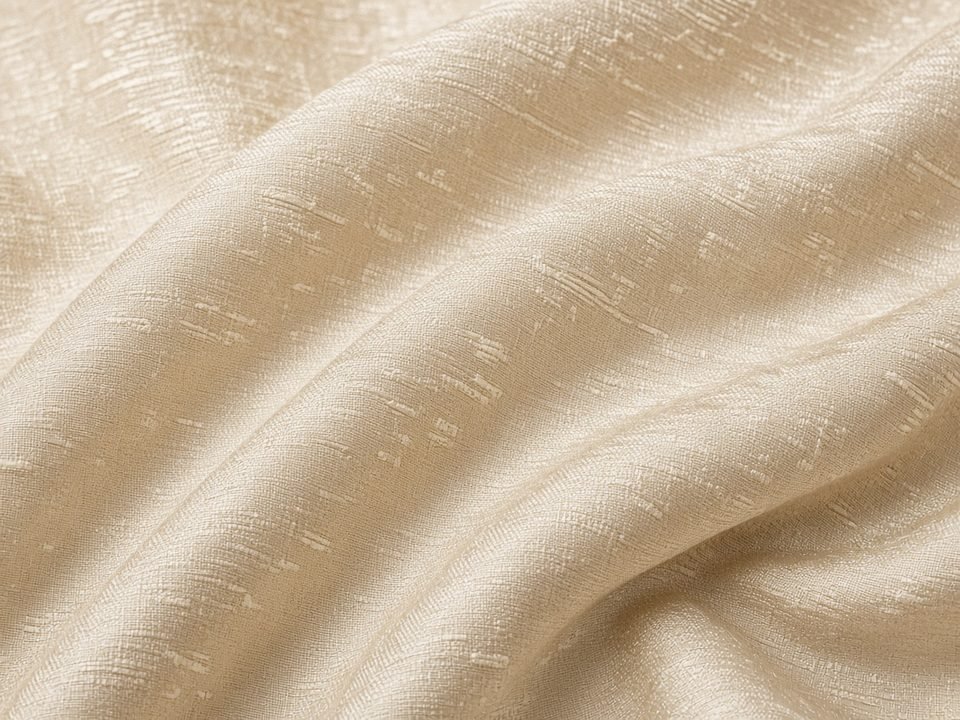
Silk dupion (Dupion / Dupioni)
Irregular slub with structured presence - popular when importers want texture plus body for separates.
- Structured dresses
- Jackets and occasion separates
- Private-label texture stories
We typically lock: slub face, shade, usable width before export packing.
Category 08 - specialty Indian silks
Munga, Matka, and spun / Chiniya silk
When buyers specify these by name, we route a specialty path rather than forcing a generic satin substitute.
Munga silk
Specialty programmes where Munga / Moonga is named in the brief.
Matka silk
Hand-feel textured silk for boutique and ethnic-modern apparel.
Spun / Chiniya
Cost-aware silk-face daywear when the brief allows spun constructions.
Lightweight drape
Chiffon-like / georgette-facing silk for sheer overlays and soft scarves.
Import use cases we see most often
If you know the end product better than the mill name, start here. We map the programme to a silk category above.
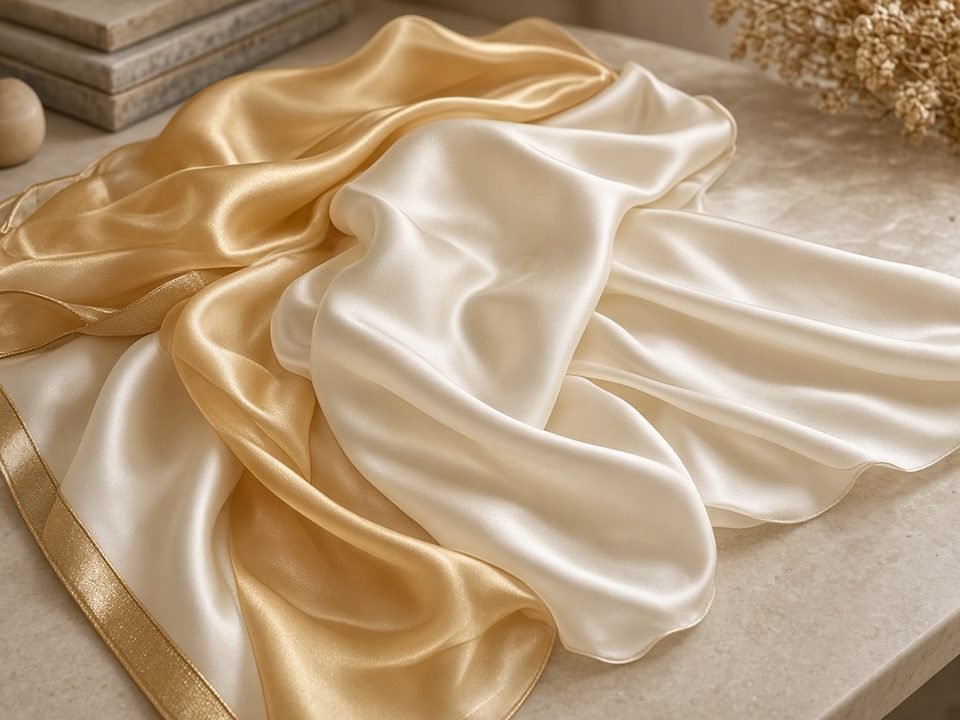
United States and Europe
Scarf and foulard import
Usually silk twill or lightweight drape. Clients in the US, UK, and France often lock shade and hand before colour lots, then discuss packing for their DC.
Typical silk picks: twill, lightweight drape, fine crepe
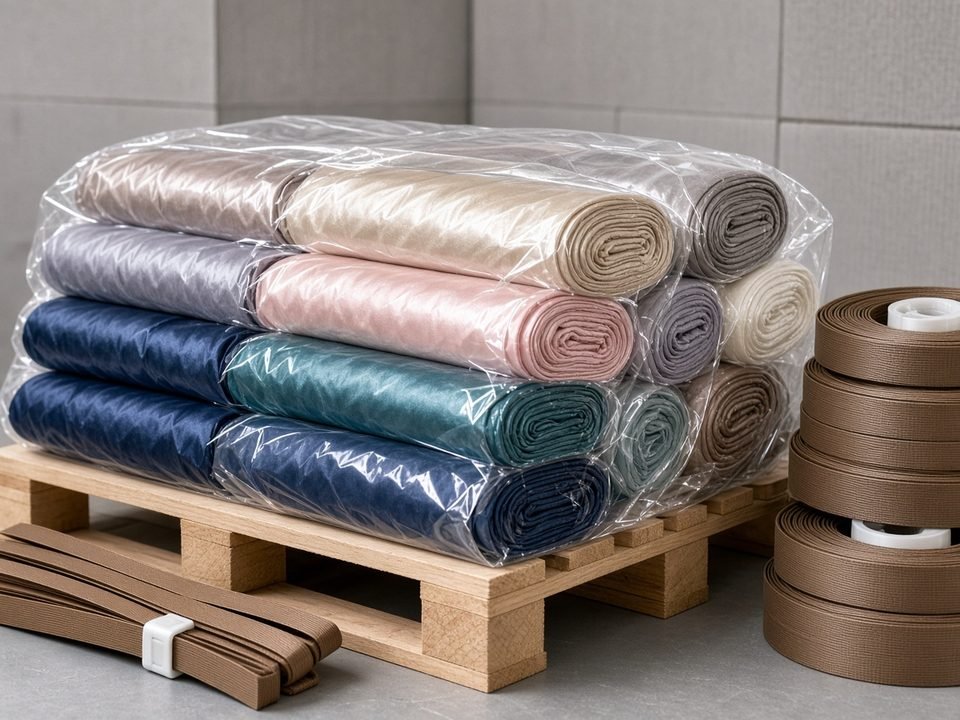
Europe and Southeast Asia
Apparel metre import
Structured satin, crepe, or dupion for dresses and jackets. German, Italian, and Singapore cutting offices care about usable width before markers.
Typical silk picks: Katan satin, crepe, dupion
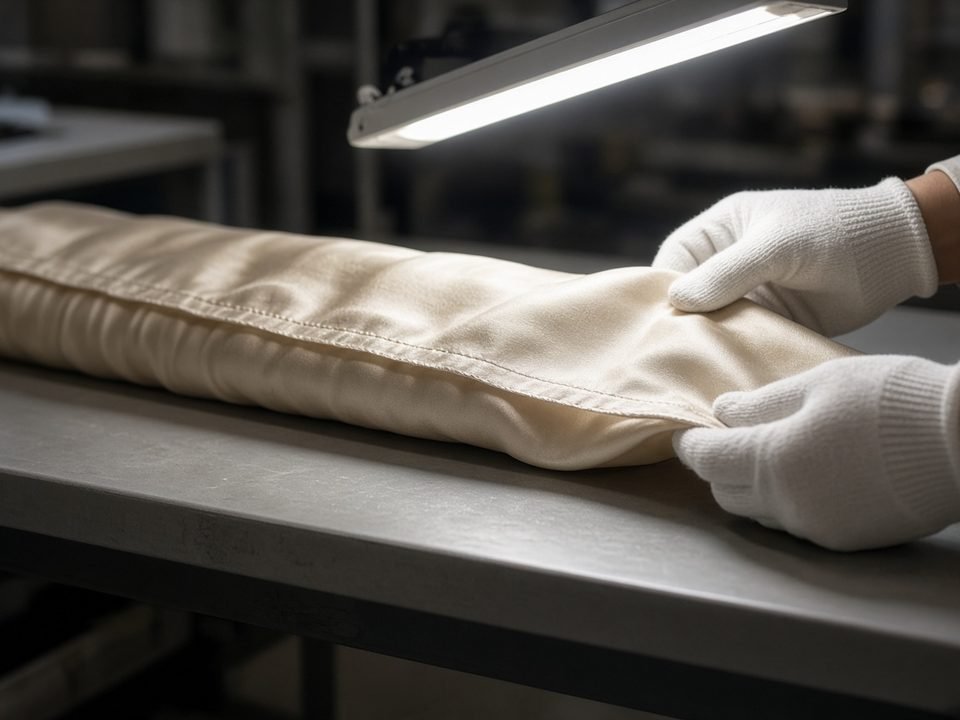
Middle East and boutique EU
Occasion and brocade import
Jacquard and metallic faces for Gulf and European boutique capsules. Motif scale and each colourway sampled before ship talk for UAE or Saudi programmes.
Typical silk picks: Banarasi brocade, Meena, zari faces
Which silk should you import?
Open the end product that matches your brief. Each answer is a short case path - then confirm with a sample before metres.
I am importing for scarves / foulards
Situation: Accessory brands in the United States, UK, and France often need fluid silk that drapes in a showroom and stays stable across colour lots.
Risk: Choosing a stiff satin or heavy brocade for scarves usually fails on hand and knot behaviour even if the shade looks right.
Path we recommend: Start with silk twill or lightweight drape. We lock GSM, hand, and colour on a lab sample in your market light before colour lots and packing talk.
Send us: End product (scarf/foulard), destination market, Pantone or swatch, and approximate metres.
I am importing for dresses / blouses
Situation: Apparel teams in Germany, Italy, and the UK need metres that cut cleanly and hold a dress silhouette after import.
Risk: Importing scarf-weight twill for dresses often collapses in the garment; importing heavy brocade can fight the pattern block.
Path we recommend: Start with structured satin (Katan) or silk crepe. We lock usable width and body/GSM on sample so markers do not drift after the goods arrive.
Send us: Garment type, required usable width if known, shade method, and destination country.
I am importing for jackets / structured separates
Situation: Jacket and separates programmes need body and sometimes texture - not only lustre.
Risk: A soft crepe face can look elegant in a photo and still be too limp for a jacket front once cut.
Path we recommend: Start with structured satin, dupion, or slub / raw depending on whether you want clean body or visible texture. We lock hand, finish, and width on sample before export packing.
Send us: Jacket vs separates, texture preference, destination, and any reference swatch.
I am importing for occasion / patterned capsules
Situation: Boutique EU and Middle East (UAE, Saudi Arabia, Qatar) programmes often need motif woven into the cloth, not only printed later.
Risk: Approving a photo of a brocade without sampling motif scale and each colourway leads to mismatched repeats and shade lots.
Path we recommend: Start with jacquard brocade or multi-colour jacquard. We sample motif scale and colourways, then discuss packing for your Gulf or European destination.
Send us: Motif reference, colour count, end product, and named destination market.
I only have a reference swatch
Situation: Many overseas buyers hold a physical cutting or an old approved swatch without a mill construction name.
Risk: Asking for "same silk" from a photo of the swatch alone often misses weave and GSM.
Path we recommend: Send the physical swatch or clear macro photos plus notes on what must match (shade, hand, GSM, width, motif). We map it to a silk category we import and propose a sample path before import talk.
Send us: Swatch or photos, destination market, end product, and quantity band.
How we run a silk import with you
Different rhythm from a sourcing catalogue page - this is the silk import spine we use with clients abroad.
01Name the silk
Category from this page or a physical reference.
02Name the market
US, Europe, Southeast Asia, Middle East, or other destination.
03Sample and lock
Shade, GSM, width, face - in your market light.
04Pack and docs talk
Export packing and documentation needs on the quote - no invented claims.
Destination notes for silk importers
- United States
- Lock shade under showroom light; share Incoterms preference early so packing and invoice talk stay aligned.
- Europe and United Kingdom
- UK, Germany, France, and Italy programmes often hinge on usable width and EU/UK retail light approval before metres leave.
- Southeast Asia
- Singapore, Malaysia, and Indonesia offices - tell us if cutting happens in a different country from the bill-to office.
- Middle East
- UAE, Saudi Arabia, and Qatar often import occasion and structured silk; name the Gulf destination for documentation on the quote.
MOQ and timing depend on silk construction and loom path. We quote after the brief - we do not publish invented minima or transit guarantees here.
Import silk fabric from India FAQ
Which silk category should I import if I only know my end product?
Situation: A buyer in the United States or Europe needs metres for scarves, dresses, or occasion wear, but the brief only says "silk" - no mill name.
What goes wrong: Ordering a generic silk often fails after the first sample because scarf twill, structured satin, and brocade do not share the same GSM, hand, or packing needs.
What we do at KashiFab: We map the end product to a category we import - typically silk twill for scarves/foulards, structured satin (Katan) or crepe for dresses/blouses, dupion or slub for textured jackets, and jacquard / Meena for occasion capsules. Then we sample and lock shade, GSM, and usable width in your market light before import packing talk.
Next step: Use the chooser above or name the end product, destination market, and quantity band in the enquiry form.
I have a Pantone and a photo, but no fabric construction - can I still import?
Situation: Design teams in the UK, Germany, or Singapore often approve colour from a Pantone deck and a mood photo, then ask for metres from India.
What goes wrong: Colour can look close while GSM, weave, and usable width are wrong for cutting. That shows up only after goods arrive.
What we do: We treat Pantone + photo as a starting brief, not a production lock. We propose the closest silk category we handle, run a lab sample (and lab dip where needed), and ask you to approve construction and shade together before we discuss packing for your destination.
Next step: Send Pantone / photo, end product, preferred width if known, and whether the goods are for the US, EU, SEA, or Middle East.
How does colour approval work for silk headed to the US or Europe?
Situation: A US showroom and an EU boutique light the same silk differently. Importers sometimes approve shade only under mill light in India.
What goes wrong: The lot looks correct in Varanasi and drifts when it hits your sell light - especially on twill scarves and satin apparel.
What we do: We lock colour against Pantone, lab dip, or a physical swatch, and we ask you to approve the sample in the light where you sell. For multi-colour jacquard (Meena) we sample each colourway, not only one face.
Next step: Tell us your colour method and destination market in the enquiry so we know which approval path to propose.
Do I need a sample before importing bulk silk metres?
Situation: A Gulf or European buyer wants to move quickly to cartons because a launch date is near.
What goes wrong: Skipping sample lock on a new construction or new shade usually creates rework on hand, width, or motif scale after the goods land.
What we do: When the silk category or shade is new to your programme, we sample first, get written approval, then discuss metres, packing, and documentation for the market you name. If you are reordering a previously locked standard, we can talk commercial quantities against that written lock - subject to yarn and loom availability.
Next step: Say whether this is a new brief or a reorder of an approved sample when you enquire.
What should I send in my first silk import enquiry?
Situation: First-time importers often send only "need silk from India" and expect a full quote.
What goes wrong: Without end product, destination, and at least a silk direction, we cannot propose a realistic sample path or packing talk.
What we need: (1) silk category from this page or a reference swatch/photo, (2) end product, (3) destination country or region (for example United States, UK, UAE, Singapore), (4) GSM or momme band if known, (5) usable width if known, (6) colour method, (7) quantity band, (8) whether a sample is required before metres.
What we reply with: Which silk path fits, what must be sampled, and what we will confirm on the quote for documentation - without inventing MOQ or transit times on this page.
How should buyers in Southeast Asia or the Middle East brief a silk import?
Situation: Sourcing offices in Singapore, Malaysia, or Indonesia may bill in one country and cut in another. Gulf buyers in the UAE, Saudi Arabia, or Qatar often need occasion or structured silk with careful packing.
What goes wrong: If we only hear "Middle East" or "Asia" without the final destination and end use, packing labels and documentation talk stay vague.
What we do: We ask for the bill-to office, the cutting or sell destination if different, the silk category, and whether the programme is scarf, apparel, or occasion. Then we sample/lock and discuss packing and paperwork needs on the quote for that named market.
Next step: Name country, end product, and silk category (or reference) in your enquiry.
What export documentation may be involved when importing silk from India?
Situation: Overseas finance and logistics teams ask for "all export docs" before a sample is even approved.
What goes wrong: Document sets depend on destination, Incoterms, and goods classification. Publishing a fake universal checklist on a landing page creates false certainty.
What we do: After the silk is locked and commercial terms are in discussion, we confirm documentation needs on the quote for the market you name - for example US entry paths, EU/UK routes, Singapore/Malaysia programmes, or UAE/Saudi shipments. We do not invent certifications or duty outcomes here.
Next step: Share preferred Incoterms if you have them, plus destination country, when you request the quote path.
How is this page different from Fabric Sourcing India?
Situation: Buyers land on both pages and wonder which brief to send.
Difference: Fabric Sourcing India owns the full multi-fibre fabrics-we-deal-in catalogue (silk plus cotton and other commercial fabrics). This page is silk-import specific: popular silk categories, import use cases, and the sample-to-packing path for clients worldwide.
How to choose: If you already know you need silk metres for overseas import, use this page and name a silk category. If you are still choosing across silk and non-silk fabrics, start on Fabric Sourcing India, then return here for the silk import path.
How do you handle MOQ and timing without publishing fake numbers?
Situation: Importers ask for a single MOQ and a fixed week count before sharing construction or colour count.
What goes wrong: Twill scarf programmes and multi-colour brocade programmes do not share the same minimums or loom booking reality. A one-size number on a webpage is usually marketing, not planning.
What we do at KashiFab: We quote a real minimum and discuss timing after we see silk category, colourways, and quantity band. Until then we will not invent MOQ, capacity, or transit guarantees on this page.
Next step: Send the brief fields you know - we reply with sampling steps and an honest commercial discussion afterward.
Can I import a specialty silk such as Munga, Matka, or spun / Chiniya?
Situation: A buyer quotes an Indian mill name from an older tech pack or a local supplier conversation.
What goes wrong: Substituting generic satin for a named specialty silk changes hand and cost, and the finished product no longer matches the brief.
What we do: When Munga, Matka, or spun / Chiniya is named, we route a specialty path, confirm fibre story on sample, and lock shade/hand before import talk. If the brief is really a performance need rather than a name, we may propose the closest category and explain the difference in writing.
Next step: Send the mill name you were given plus end product and destination, or ask us to map a reference swatch.
Ready to import a silk category?
Name the silk from this page, your end product, and destination market - and we will reply with sampling and import next steps.