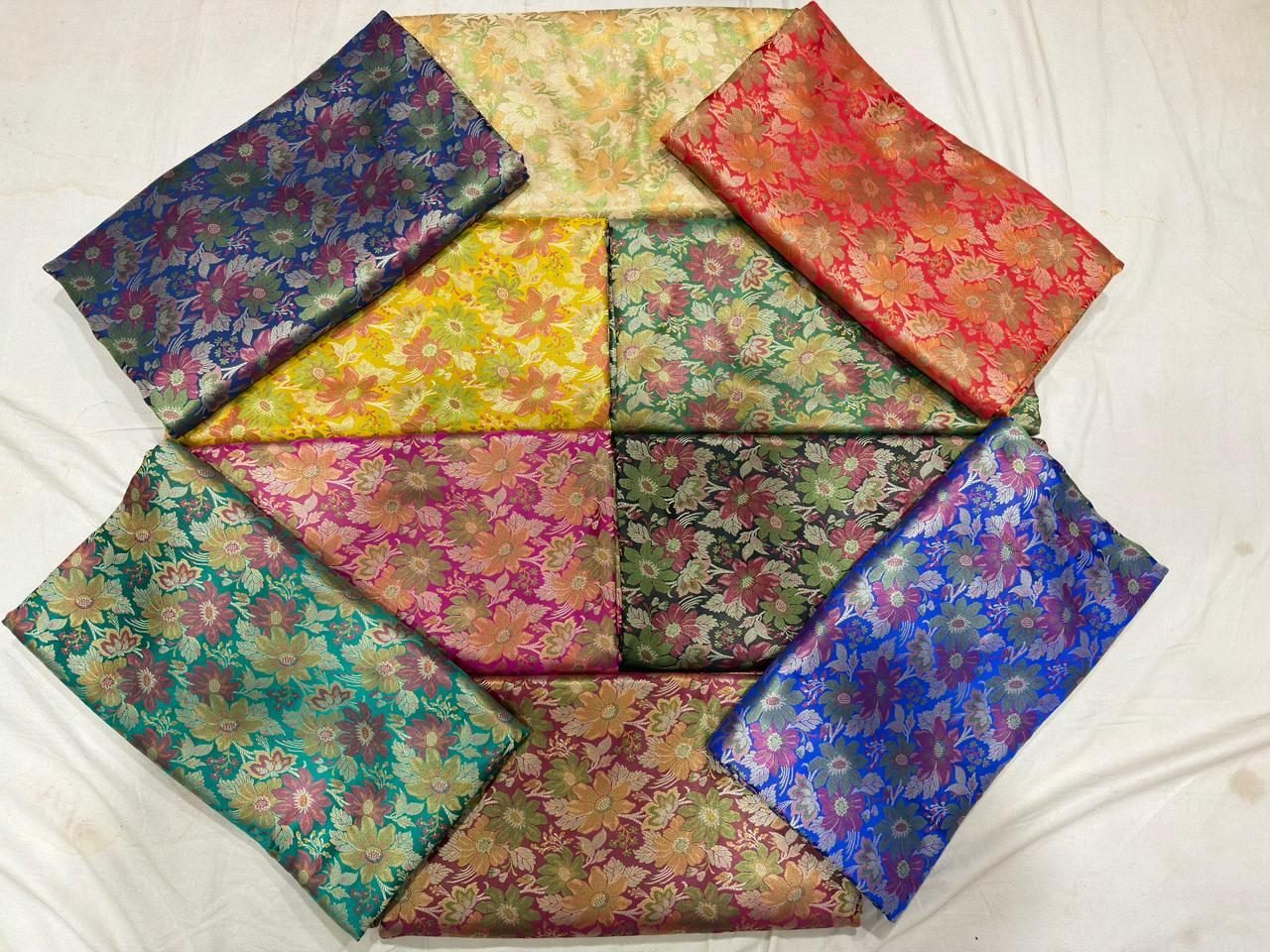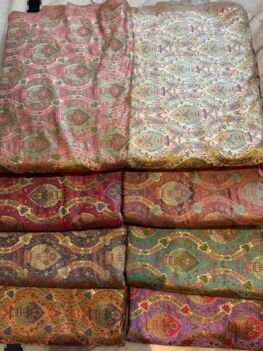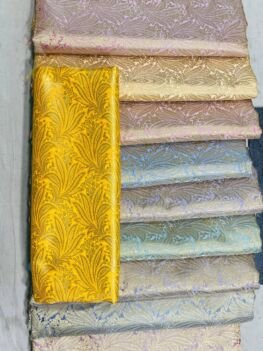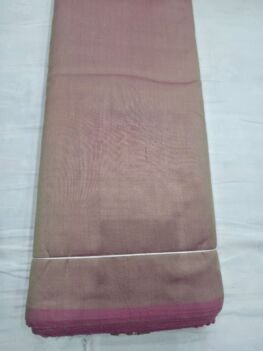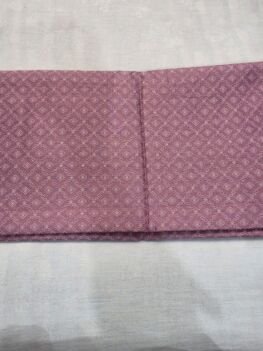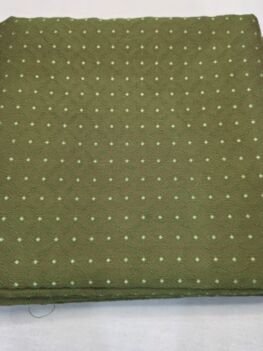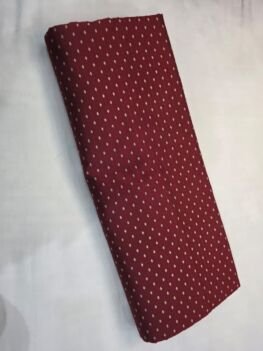

Hello everyone. I am Karthik. I run a small menswear brand from Chennai. We sell festive and wedding kurtas from a store in T. Nagar. For two seasons I have been trying to source authentic Banaras silk fabric for kurta work in bulk. I keep hitting the same wall: where to buy the best silk fabric for kurta in Varanasi, from a house that will still pick up the phone after the first payment.
I am not shopping for one or two retail lengths. I need bulk silk fabric suppliers in Varanasi who can repeat colours, pack with clear labels, and ship to Tamil Nadu without last-minute silence. Price matters, because Chennai customers compare every rupee. Still, I will not buy mill cloth sold as Banarasi. I want authentic silk at a better trade price. If the fibre name is foggy, I lose the customer after one wash.
My last two vendor experiences were mixed, and that is why I am writing here.
The first house sent a beautiful katan sample. The bulk roll that followed was thinner, the sheen did not match, and two colours were from a different dye lot. My tailor noticed before I did. The damage was real.
The second vendor spoke well about reputation and export quality. Packing then slipped by almost three weeks around a festival. The tailor sat idle. I missed a Diwali drop. After that I became strict about vendor reputation, quality checks, and timely delivery. WhatsApp photos are not enough. I want people here who have actually ordered meters, received them, stitched them, and can say whether the supplier stayed consistent on the second and third order.
For this season I want two or three silk types, not a mixed leftover assortment.
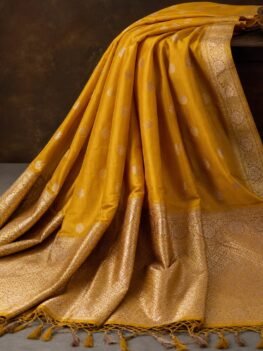
First, pure katan silk for structured festive kurtas. Firm body, clean sheen, bel-booti or a light jaal that still cuts clean at the placket and sleeve. This is the main story for wedding guests and reception sets.
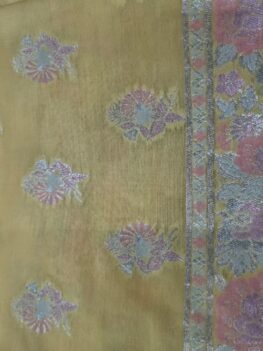
Second, tussar silk for warmer Chennai months. Lighter hand, a natural gold cast, less stiffness. Our customers complain when dense katan sits heavy after four hours in April heat.
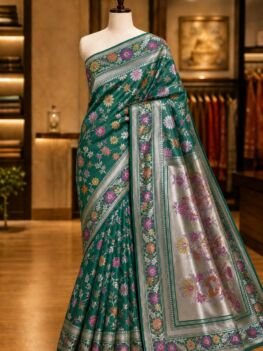
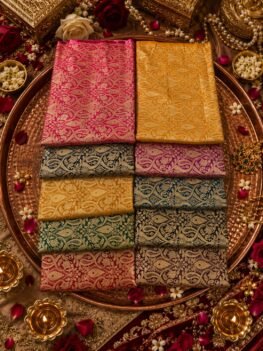
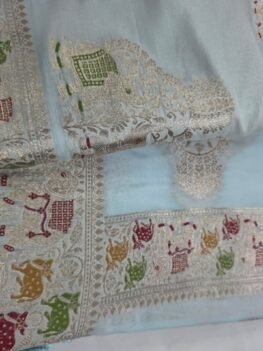
Third, a small quantity of brocade, or light kimkhab, for hero pieces only. I am thinking shikargah or meena motifs on a tight colour board: deep maroon, bottle green, and one ivory. I need motif repeat notes so sleeves do not land on half a flower.
If you have bought kurta fabric from Varanasi for a brand or boutique, which suppliers treated you fairly on quality, reputation, and delivery? How did you check authenticity before a bulk cut? Did you sample first, ask for lot numbers, or visit? Any warning signs when a quote looks too cheap?
I am ready to share a clear brief: silk types, meters per colour, Chennai as the delivery city, and timeline. If someone has a process that worked, please write it here. I would rather learn from your experience than repeat my last two mistakes.

Karthik, this is a fair question, and the two vendor stories you described are more common than people admit on a first call.
We are KashiFab, based in Varanasi. We work with brands, boutiques, and wholesale buyers in India and abroad on Banaras silk yardage, including kurta fabric. That mix matters here, because a Chennai menswear line and an overseas boutique often fail on the same three points: sample not matching bulk, colour lots drifting, and packing slipping around festivals. Your brief is already clearer than most first messages we see. That is a good start.
On quality, treat the sample as a contract, not a mood board. When a katan sample looks firm and the bulk roll arrives thinner, the problem is usually not "Banaras variation" in a romantic sense. It is a different quality being cut for the order, or a different dye lot being mixed into the same colour name. Before a bulk cut, ask for three things in writing: fibre name on the piece (katan, tussar, brocade, kimkhab), usable width, and a lot or piece reference you can repeat. Keep a 20 to 30 cm cutting from the approved sample. When bulk arrives, put it next to that cutting in the same daylight, not under shop LEDs. Your tailor was right to stop you. Once fronts are cut, the loss is real.
For a brand in Chennai, also think about heat and hours of wear, not only the invitation wording. Dense katan with extra zari can feel grand for a reception and heavy after four hours in April. That is why your split makes sense: katan as the structured festive face, tussar for the warm-weather line, and a small brocade or light kimkhab story for hero pieces. Do not let a mill talk you into one mixed leftover assortment. Three named types, with meters per colour, is how repeat orders stay honest.
On katan: ask for a hand that holds a placket and sleeve without collapsing. Bel-booti or a light jaal is workable if the motif is not so large that every front needs extra meters for matching. Confirm whether any zari is light or dense. Light zari on katan is a different garment from a heavy ceremonial face.
On tussar: confirm it is tussar, not a generic "raw" label. Cast and body vary. For Chennai, you want breathable cloth with enough body to stitch a kurta, not a limp lining silk. Sample drape on a body if you can, even if it is only one length.
On brocade or light kimkhab: this is where motif repeat decides meters. Shikargah and meena looks can eat extra fabric on sleeves if you do not plan the repeat. Keep the colour board tight, as you said: maroon, bottle green, ivory. Hero pieces should be a limited SKU count, not the whole rail. Dense kimkhab is a different brief from a lighter brocade. Say the hours of wear out loud when you approve the quality.
Need help with a similar brief?
Send silk types, meters per colour, city, and the date cloth must leave Varanasi. WhatsApp is the practical channel for a short consult. Use Contact Us if you prefer a longer note.
Vendor reputation is not a catalogue paragraph. It shows up on the second and third order. Ask who packed the last shipment, how they label rolls, and what happens if a colour is short. A house that cannot tell you packing format, city lead time, and what they do when a lot does not match is not ready for a Diwali calendar. Festival weeks in Varanasi are real. If you need cloth in Tamil Nadu before a drop, lock the cut-off date first, then the meters. Build a buffer. A promise of "next week" with no packing date is how tailors sit idle.
Timely delivery to Chennai is a packing and courier problem as much as a weaving problem. Rolls should be labelled on the outside so warehouse staff do not open every parcel to guess fibre. Ask for a dispatch photo of labelled rolls, not only loom photos. For bulk, agree whether you need matched lots across sizes. If you do, say so before dyeing or pulling stock.
Price: authentic silk at a better trade rate is possible when the brief is specific. A quote that is far below the market often means a thinner construction, a blend, or a different lot than the sample. Compare price per usable meter after width, not only the headline rate. Cheap cloth that fails in the store is not cheaper.
How buyers in India and abroad usually work with us, in practical terms: they send silk types, meters per colour, city, and a drop date. We confirm what we can actually cut. They take a short sample or small meterage first. Bulk follows against that approved cutting. That is the process we would use with a Chennai brand as well. It is slower than a WhatsApp "yes" and much safer.
If other members here have mill names that treated them fairly on the second order, that is useful for Karthik too. From our side, we are happy to look at the three-type brief as a working plan, not as a catalogue push. Tell us meters, the three colours for the hero story, and the latest date cloth must leave Varanasi. We can then say what is realistic before anyone cuts a full size run.

Karthik, I am Meera. I run a small boutique line from Bangalore and I had the same worry about second-order consistency.
On promptness, KashiFab was clearer than the houses I tried first. Before I paid for bulk, they locked a dispatch window in writing, not a vague “next week”. Around a festival week they still packed on the agreed day and sent labelled roll photos before the courier picked up. That alone saved my tailor two idle days. For genuine silk, they treated the sample as the contract: fibre name on the piece, usable width, and a lot reference I could ask for again. I kept a 25 cm cutting from the approved katan. When meters arrived, daylight match was close enough that we cut fronts without panic.
If you are shipping to Chennai, ask them early for city lead time plus a buffer before your Diwali drop. Prompt packing in Varanasi is useless if the courier calendar is ignored. Also ask how they mark rolls on the outside so warehouse staff do not open every parcel guessing fibre.
Curious what others here did when a colour was short mid-season. Did the supplier substitute quietly, or hold the order and tell you first?

Adding a note on Piyush Silk, because that name comes up a lot when buyers ask around Varanasi for Banaras silk.
Piyush Silk is one of the older trade names people mention for silk yardage and Banarasi work in the city. If you visit or call, be clear that you want wholesale meters for kurta cutting, not a ready saree conversation. Ask whether the quality on the table is the same construction they will cut for a bulk repeat, and whether they can hold colour lots across a second order. Showroom reputation and mill-linked packing are not always the same job. A house can look strong on the floor and still slip on labels, dye lots, or festival packing.
For a Chennai brand, I would ask Piyush Silk (or any known house) the same three things Meera listed for KashiFab: written fibre name, lot or piece reference, and a real dispatch date. If they only talk “export quality” without those, keep sampling small.
Has anyone here actually taken kurta meters from Piyush Silk for a brand run, not just shopped length for one piece? Second-order stories help more than first impressions.

Karthik, I am still shortlisting silk suppliers in Varanasi myself, so I am dumping the questions I now ask before any bulk cut. Maybe others can answer from real orders.
1. Who weaves or finishes the cloth you are selling, and can I get the same lot reference on order two?
2. What is written on the piece: katan, tussar, brocade, kimkhab, or a vague “silk”?
3. Usable width after selvedge, and price per usable meter, not only the headline rate.
4. Do you invoice with GST and clear fibre description, or only a WhatsApp total?
5. Packing format: how are rolls labelled, and do you send a dispatch photo before courier pickup?
6. Festival calendar: what is the last date you will still cut and pack for a South India delivery?
7. If one colour is short, do you hold the order, substitute, or split ship?
I am especially interested in houses that stay honest when a quote looks cheap. Too-low rates in Banaras often mean thinner construction or a blend sold with a silk story. If anyone has a shortlist beyond KashiFab and Piyush Silk for kurta meters, please name what went right on the second order, not only the first sample.