
Quick add from a Kerala buyer who ships into Tamil Nadu stores.
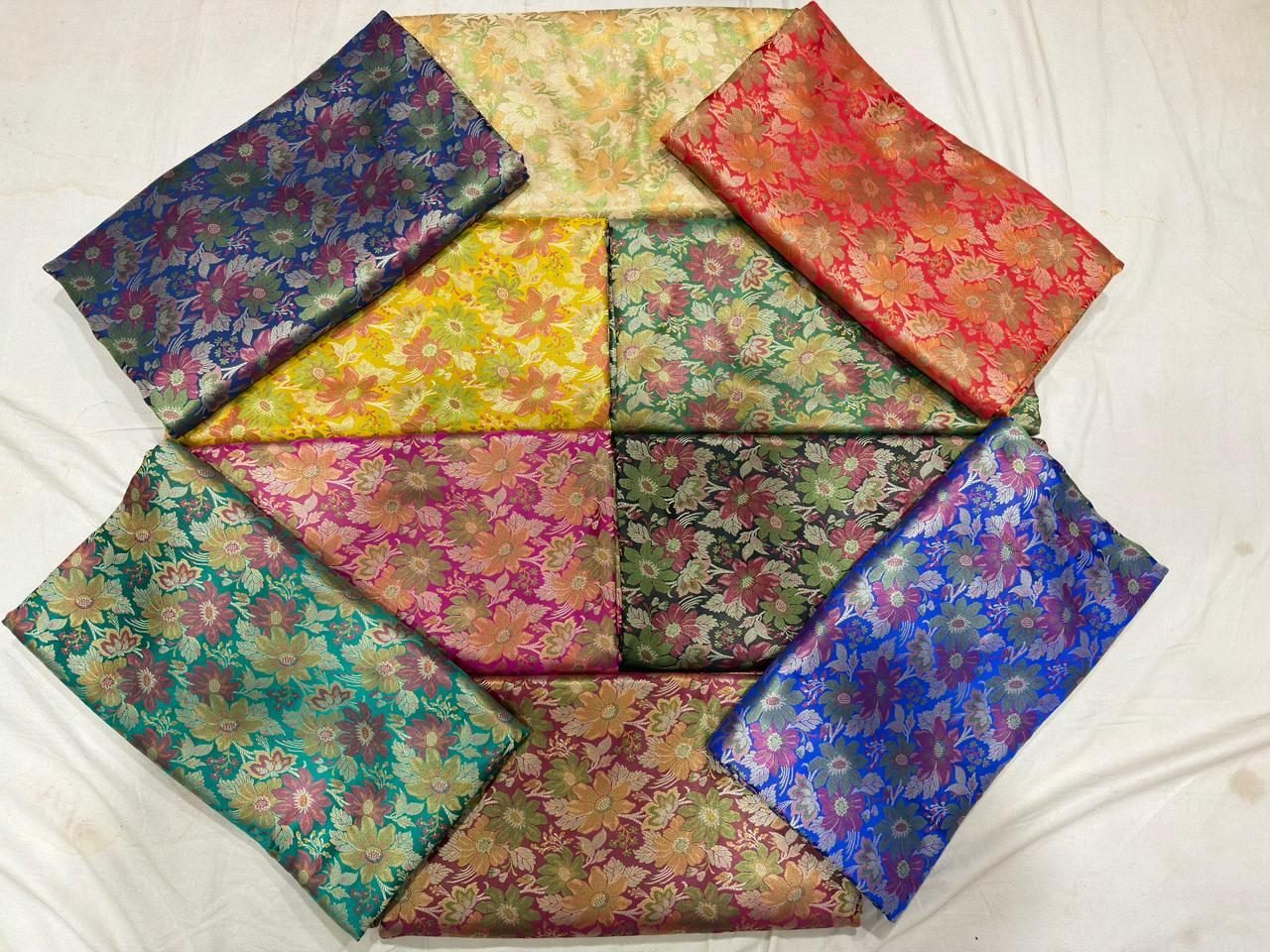
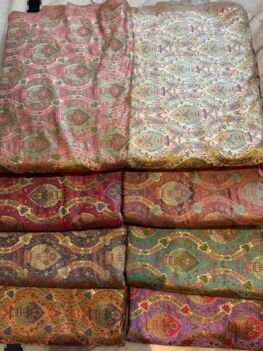
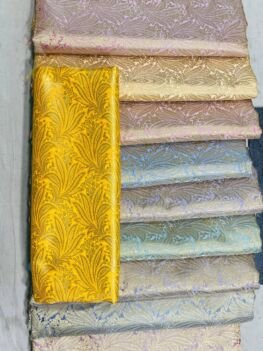
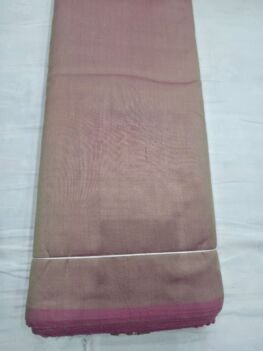
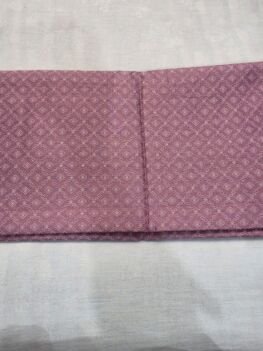
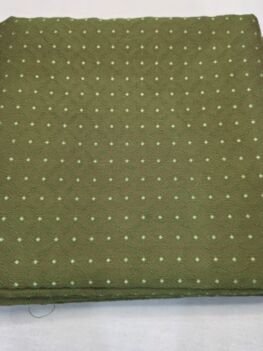
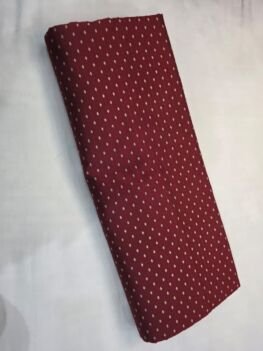
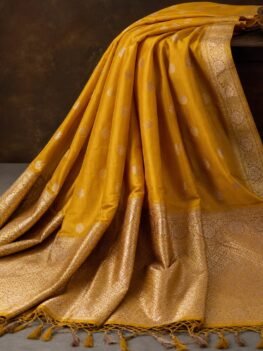
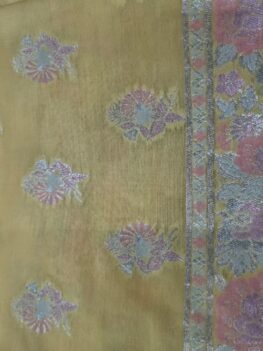
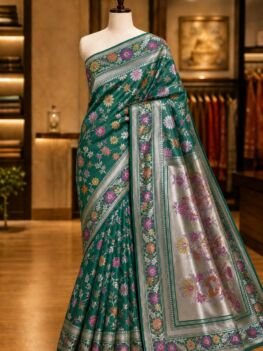
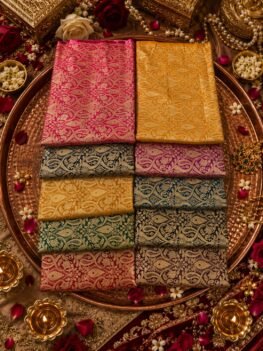
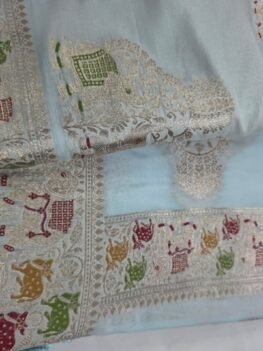
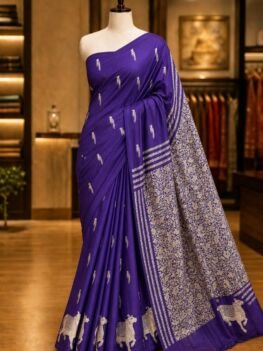
Genuine silk for kurta work fails most often on dye lot drift and motif repeat, not on the first loom photo. For katan with bel-booti or light jaal, ask for motif repeat notes before you approve meters. Sleeves that land on half a flower waste cloth and time. For tussar, make them say tussar on the invoice, not “raw silk” as a marketing word.
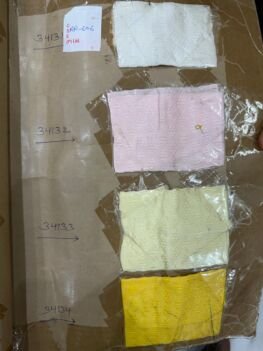
On promptness, my better experiences (including with KashiFab) shared one habit: they refuse a fantasy date. If festival load is heavy, they say so and move the cut-off earlier. That is more useful than a soft promise. I also ask for outside labels with fibre + colour code so my warehouse in Kochi does not open every roll.
For Piyush Silk and other known Varanasi names, I would still run the same sample-to-bulk discipline. Reputation in the city is a starting filter, not a substitute for a kept cutting and a packing date.
One practical question for people who visited: did you go only to a showroom, or did you also see how rolls are packed and labelled before courier? That visit often tells you more than the first quote.

I am Rohan, buying for a menswear counter in Hyderabad. A few general queries for anyone who knows the Varanasi silk supplier map better than I do.
Which areas or clusters should a first-time bulk buyer prioritise for kurta meters rather than bridal saree stock? When you shortlist, do you trust mill-linked houses more than multi-brand traders, and how do you verify that link without getting a polished tour and a different bulk quality later?
Also: for interstate buyers, what paperwork actually helped when a dispute came up? GST invoice with fibre line, lot numbers on packing slips, or both? I am trying to build a boring checklist so the next Diwali drop does not depend on one WhatsApp thread.
Happy to hear hard lessons on KashiFab, Piyush Silk, or any other house people here have reordered from. Second orders and packing honesty matter more to me than the first sample wow.